
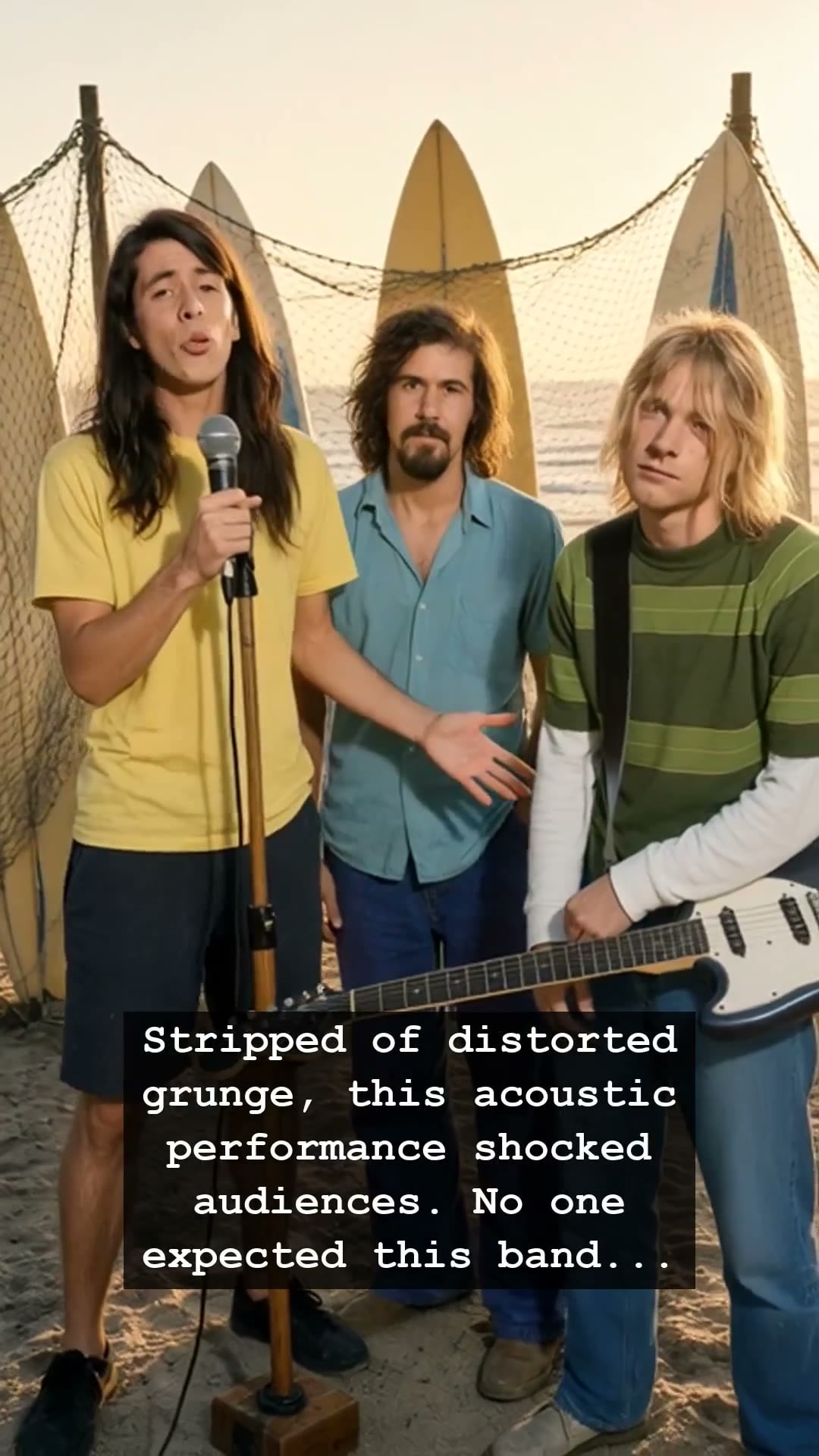
The distortion pedals were turned off, the massive amplifiers were silenced, and for the first time, the world saw the man behind the growl. It was November 1993, and the air inside the Sony Music Studios in New York was thick with an uneasy, reverent silence. Nirvana, the band that had defined the angst of a generation and ushered in the era of grunge, was about to do the unthinkable. They were performing an acoustic set for MTV Unplugged. For a band synonymous with ear-splitting feedback and the raw, unrefined energy of the Seattle underground, stripping down to acoustic guitars felt like a betrayal to some and a revelation to others. Kurt Cobain sat huddled over his guitar, his voice cracking with a fragile vulnerability that felt entirely at odds with the explosive rage of Smells Like Teen Spirit.
To the music purists of the early nineties, who were accustomed to the grit of the burgeoning grunge movement, this transition was terrifying. They expected the walls of the studio to shake; instead, they were met with a haunting, skeletal intimacy. Watching the recording, one can almost feel the weight of the air in the room. This was not a polished pop performance; it was a man grappling with his own demons under the unforgiving glare of stage lights. The stage was decorated with lilies and black candles, a set design that Cobain himself insisted on, which many later interpreted as a haunting premonition of his own funeral. The aesthetic was a macabre funeral parlor vibe that set the perfect, eerie stage for the tragedy unfolding in real-time.
When the band dove into their cover of The Man Who Sold the World or the devastating final notes of Where Did You Sleep Last Night, the audience did not just hear music; they witnessed a visceral unraveling. Cobain’s voice, often pushed to the breaking point by the demands of arena rock, sounded bruised and weary, yet terrifyingly honest. The chemistry between Kurt, Krist Novoselic, and Dave Grohl felt heavy with an unspoken tension, a snapshot of a trio whose creative peak was rapidly becoming a heavy burden. It remains one of the most significant moments in rock history, proving that Nirvana possessed a depth far greater than the flannel-clad image the media had branded them with.
The performance serves as a permanent anchor in our collective musical memory, a time capsule from the days before the internet fragmented our culture. It was an era where MTV was the heartbeat of music, and a single session could define a legacy. Even decades later, this specific performance resonates because it captures something universal: the desperate desire to be understood and the quiet agony of fame. Nirvana stripped away the loud, chaotic veneer of their existence, leaving behind only the pure, jagged truth of their songs.
As the final notes of the set faded into the dark studio, the atmosphere was heavy with the realization that we had witnessed something profound. It was raw, it was unscripted, and it was deeply human. Do you still remember that cold November night, sitting by the television screen, watching the flicker of those candles?