
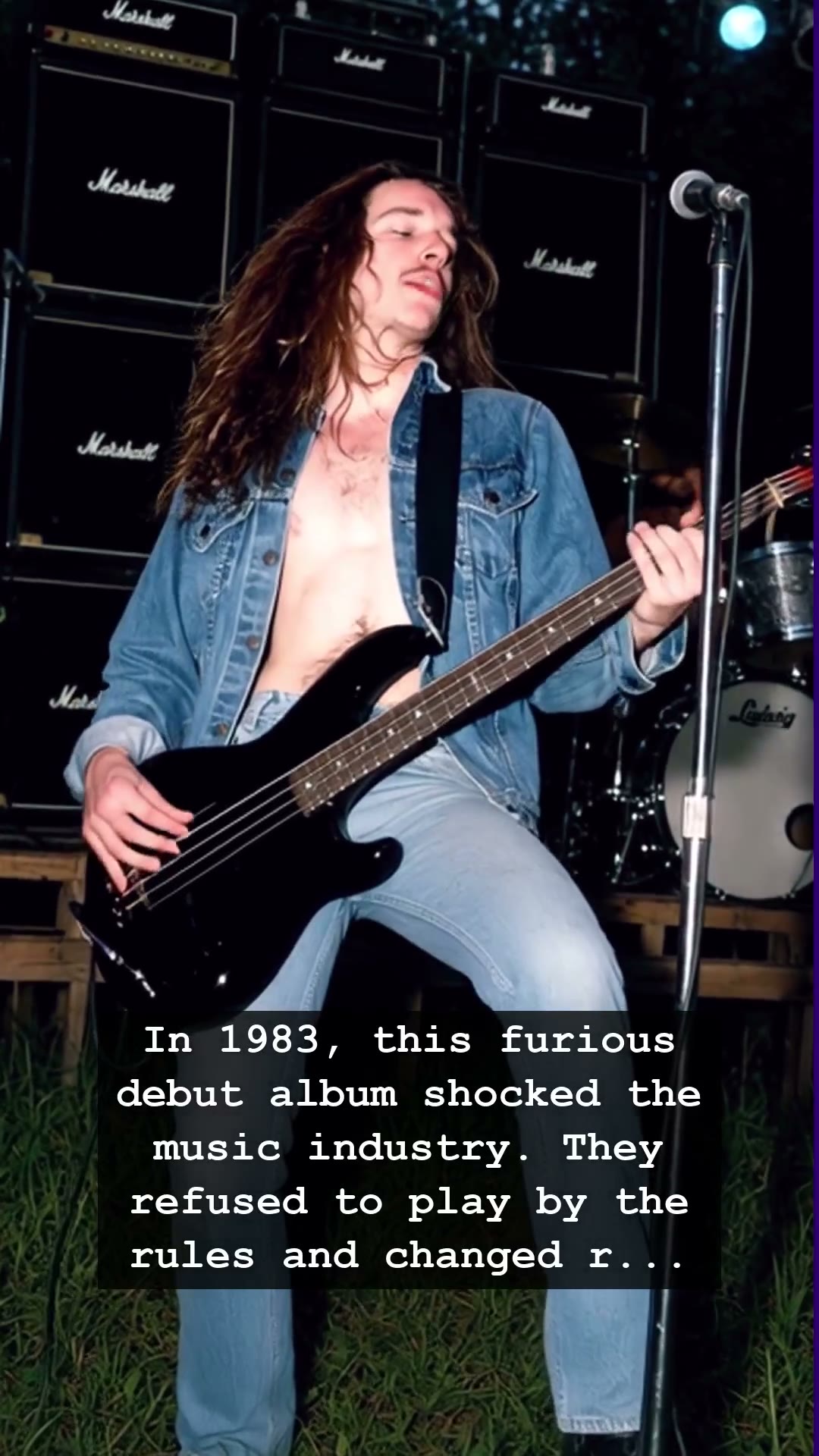
In 1983, the airwaves were dominated by the neon-drenched safety of synth-pop and the polished, radio-friendly glam rock that ruled the charts. Then, like a sonic earthquake tearing through a suburban dream, Metallica emerged from the underground with a debut album that terrified the music industry: Kill ‘Em All. It was loud, it was unrefined, and it was entirely unapologetic. At a time when everyone else was chasing a clean, commercial sound to fit into the burgeoning MTV era, this group of young misfits decided to burn the rulebook, sparking a heavy metal rebellion that would define the sound of a generation and haunt the dreams of establishment record executives for decades to come.
Metallica did not just release an album; they ignited a war against the status quo. James Hetfield and Lars Ulrich were not interested in catering to the mainstream. They were the architects of a faster, meaner, and more aggressive beast. The recording sessions were fueled by cheap beer, intense rivalry, and the sheer, raw hunger of musicians who knew they were creating something dangerous. When the record finally hit the shelves, the polished gatekeepers of the 1980s music scene didn’t know how to categorize the sheer intensity of the tracks. It was too fast for rock radio and too jagged for the soft-rock sensibilities of the time, yet it resonated with a massive, disenfranchised audience that had been starving for something real.
The backstory of the album is as chaotic as the music itself. From the firing of original lead guitarist Dave Mustaine—a moment that birthed the long-standing tension between Metallica and Megadeth—to the frantic, shoestring-budget recording process in upstate New York, every second of the album feels like it is on the verge of collapsing under its own weight. This is precisely what makes Kill ‘Em All a masterpiece of the era. It captured a fleeting, volatile moment where four young men were completely unconcerned with fame or fortune, obsessed only with playing faster and louder than anyone else on the planet.
Looking back from our modern digital age, it is hard to overstate the cultural impact of that 1983 release. Before the polished arena rock tours and the global super-stardom that would follow in the 90s, Metallica was a gang of outsiders lurking in the shadows of the Sunset Strip. They were the antidote to the vapid excess of the era, a stark reminder that music could still be a weapon rather than a commodity. The album remains a cornerstone of thrash metal, a testament to the fact that when you refuse to play by the industry rules, you don’t just find a niche—you create an entirely new world for your fans.
Even today, the distorted opening riffs of that debut album carry the same electrifying power they did over forty years ago. It reminds us of a time when the Jukebox was the heartbeat of the dive bar and the Walkman was your only escape into the underground. Metallica changed the course of music history not by seeking approval, but by demanding attention through sheer, unadulterated passion. Whether you were there in the mosh pits of the 80s or are discovering them for the first time, take a moment to listen to the fire that started it all; it is a sound that refuses to grow old.