
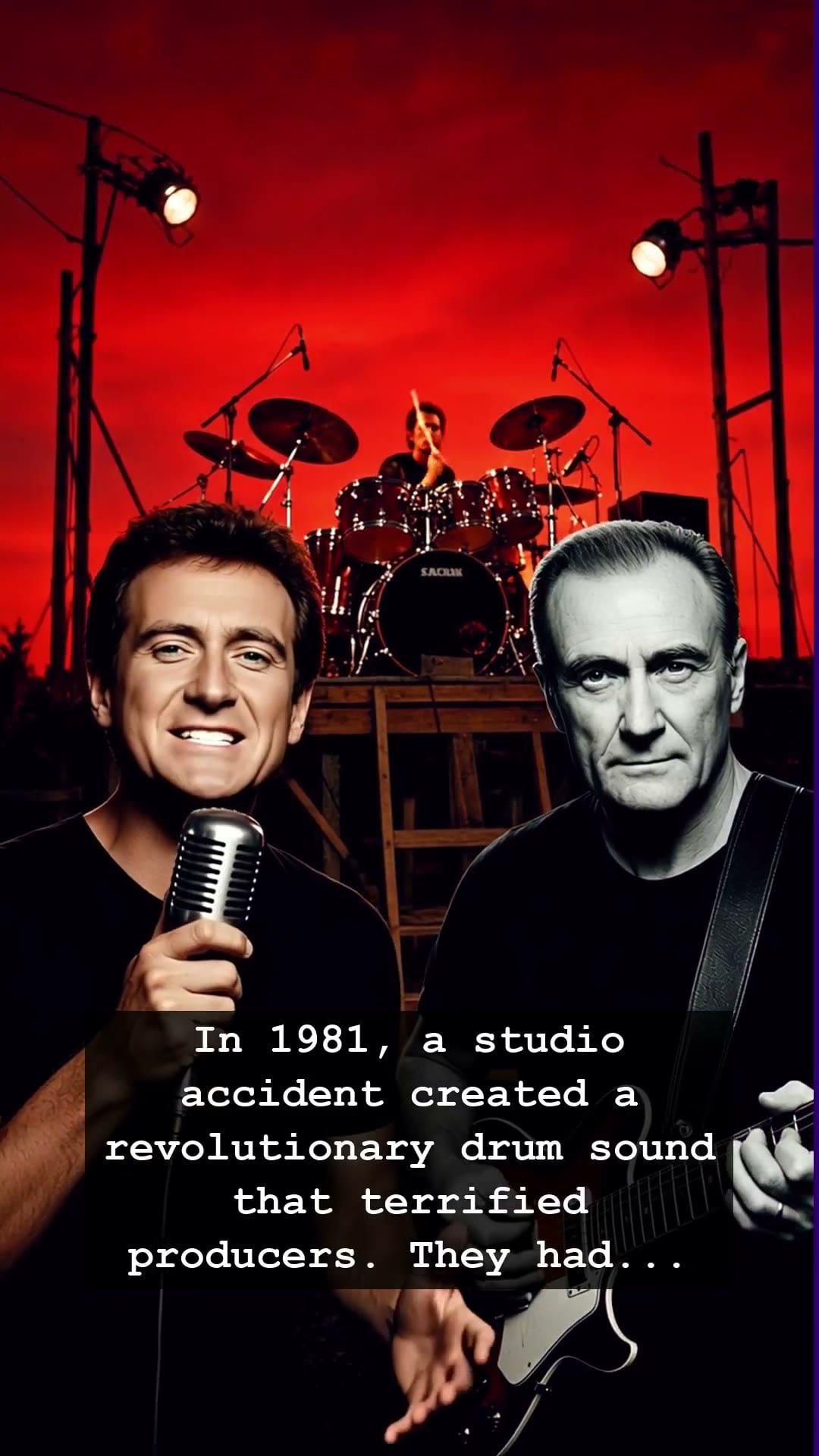
It was 1981, and the air inside the Townhouse Studios in London was thick with the scent of stale coffee and cigarettes. In the middle of a recording session for Peter Gabriel, producer and engineer Hugh Padgham inadvertently stumbled upon a sound that would send shockwaves through the entire industry. It started with a simple mistake, a routing accident involving a talkback microphone and a heavy dose of compression. As the drummer played, the room suddenly erupted with a sound so thunderous, so hauntingly cavernous, that it felt like the walls themselves were caving in. The engineers were stunned, and for a moment, the room went silent. They had no idea they had just unlocked the DNA of 1980s music, a sound that would define an era of excess, MTV, and neon lights.
That accidental discovery was the birth of the Gated Reverb drum sound. Before Hugh Padgham refined this technique, drum recordings were often dry and polite. But the ‘gated’ effect—where the long tail of a reverb is abruptly cut off by a noise gate—created a punchy, aggressive, and incredibly massive percussion presence. It transformed the studio environment from a place of technical precision into a laboratory of sonic manipulation. Once the secret was out, everyone wanted a piece of that power. From the brooding intensity of Phil Collins in In the Air Tonight to the sleek pop sensibilities of the decade, Hugh Padgham became the architect of the sound that dominated the airwaves for a generation.
For those of us who grew up with a Walkman clipped to our belts, this drum sound is the heartbeat of our youth. It evokes the feeling of late-night drives and the thrill of discovery that only analog radio could provide. While the technology of the time was limited by today’s digital standards, the emotional impact was profound. Hugh Padgham understood that music wasn’t just about melody; it was about the physical sensation of sound hitting your chest. This wasn’t just a recording trick; it was a revolution that allowed rock and pop to feel more visceral and dangerous than ever before.
Yet, behind this sonic innovation lay the relentless pressure of the industry. The eighties were a period of extreme creative competition, where producers like Hugh Padgham were constantly pushed to make every track sound larger than life. The studio floor became a battlefield where perfection was expected and accidents were often the only path to genius. Many producers were terrified by the sheer force of this drum sound, fearing it would drown out the artistry, but history proved them wrong. It became the sonic signature of the era, a dark and booming echo that still resonates in the shadows of modern production.
Looking back, it is incredible how much of our cultural history hinges on one unintentional button press. Hugh Padgham did not set out to change the course of pop music, but by embracing the unexpected, he gave us a masterpiece of engineering. That iconic beat remains a ghost in the machine, a testament to a time when music was crafted with tape, iron, and a little bit of magic. Do you still feel that haunting pulse when you hear it today?