
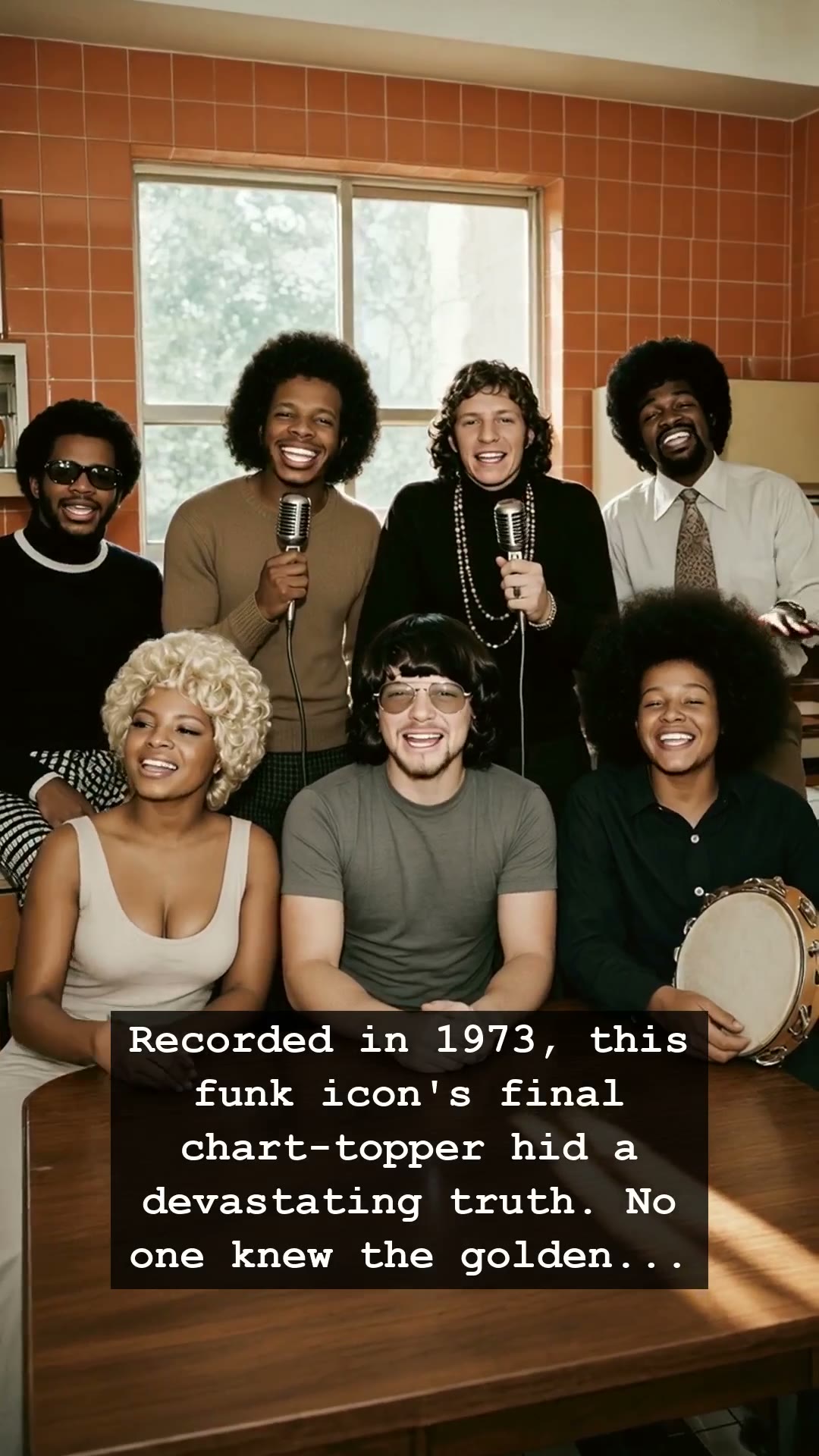
In 1973, the world was dancing to a rhythm that felt like it would last forever. From the neon-drenched floors of the burgeoning disco scene to the smoky haze of private listening rooms, the sound of Sly and the Family Stone was inescapable. Their hit If You Want Me to Stay climbed the charts with a groove so slick and infectious that it masked the creeping rot beneath the surface. For listeners tuning in on their car radios or dropping a needle onto a vinyl record, it was pure soul perfection. Yet, unbeknownst to the millions swaying to that iconic bassline, this track was the final, flickering ember of a golden era about to be extinguished by the dark forces of fame and excess.
Sly Stone, a visionary who had shattered racial and genre barriers with the psychedelic funk of the late sixties, was becoming a prisoner of his own myth. By the time the seventies hit, the communal spirit of Woodstock had curdled into the cold, clinical isolation of high-end recording studios and the lonely glare of spotlights. The music remained brilliant, but the man behind the microphone was spiraling. The studio sessions for the 1973 album Fresh were not the joyous collaborations of the past; they were erratic, tense, and fueled by a lifestyle that was rapidly tearing the band apart from within. When you listen to the haunting, nonchalant delivery of Sly Stone on that record, you are hearing the sound of a man trying to maintain his composure while his life was fundamentally unspooling.
It is a jarring realization to look back at that year. The culture was shifting, the innocence of the psychedelic movement was being traded for the hedonistic indulgence of the decade, and Sly Stone was at the very epicenter of that transition. The internal conflicts, the absenteeism, and the deepening shadows of substance abuse turned their once-vibrant musical landscape into a battlefield of egos and exhaustion. The band, once a symbol of unity, became a revolving door of frustration. It was a tragedy written in four-four time, hidden behind a catchy hook that still echoes in our cultural memory today.
What makes the decline of Sly Stone so gut-wrenching is the sheer contrast between the polished production of his hits and the chaotic reality of his existence. He was a pioneer who taught a generation how to groove, yet he couldn’t find his own way back to solid ground. The brilliance of his 1973 output remains a testament to his genius, but it serves as a haunting epitaph for a band that effectively died long before the public knew it. The music industry had chewed up another icon, leaving us with nothing but the tracks on our turntables to remember what was lost.
Today, we look back at that era with a strange mix of reverence and melancholy. Every time that final chart-topper plays, it acts as a time machine, transporting us to a moment before the silence took over for good. Sly Stone remains an enigmatic ghost of the soul era, a reminder that even the brightest flames cast the longest, deepest shadows. We still listen because the groove is undeniable, but we also listen to honor the fragile, broken genius who once held the world in his hands.