
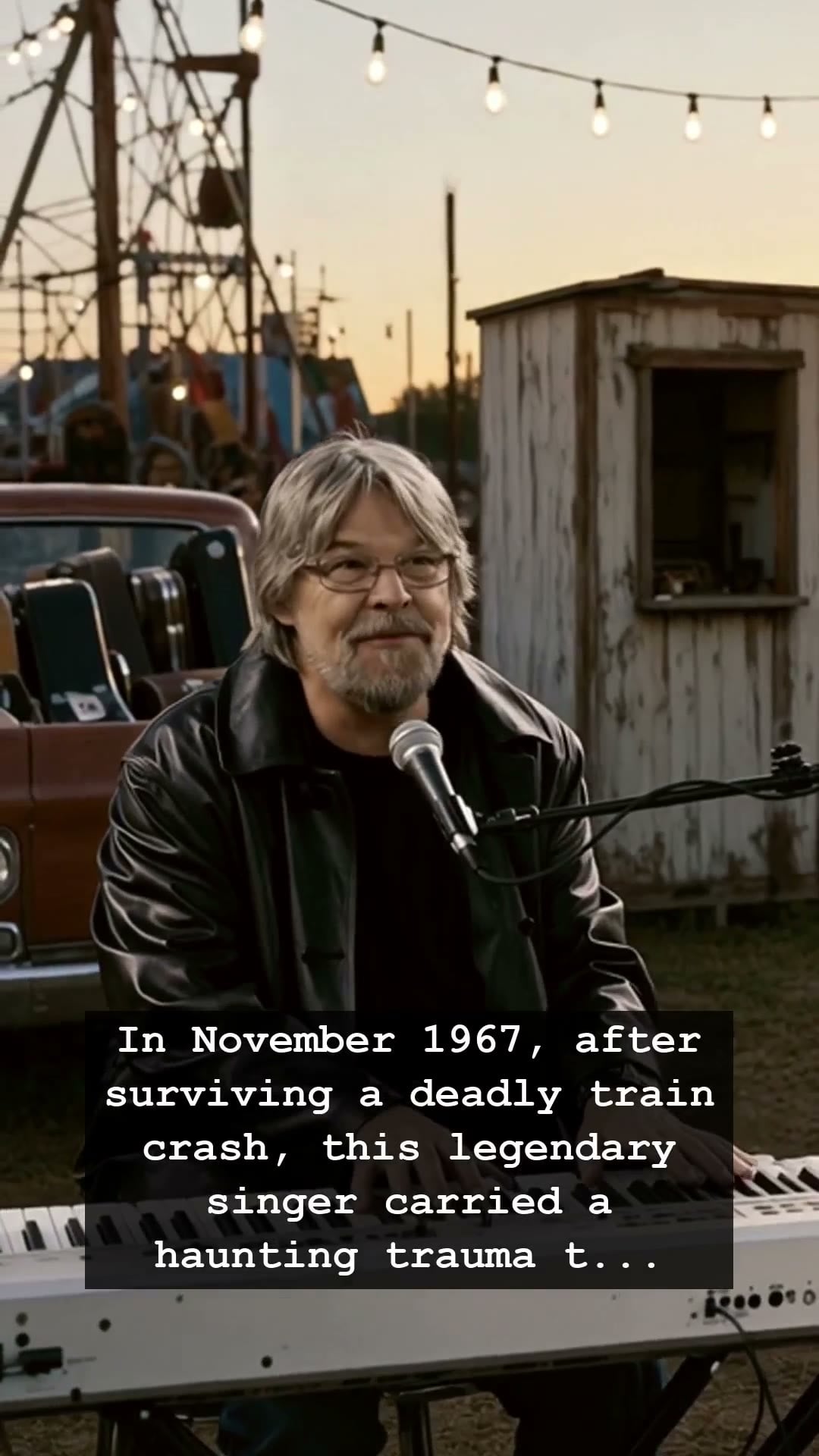
It was a cold November night in 1967 when the Hither Green rail disaster turned from a commute into a nightmare. As iron buckled and screams filled the air, forty-nine people lost their lives in a horrific pile-up that shook England to its core. Among the survivors, crawling through a shattered window of a mangled carriage, was a young Robin Gibb of the Bee Gees. He walked away physically intact, but the trauma of that night would linger, casting a long, haunting shadow over the man who would help define the sound of the coming decades.
At the time, the Bee Gees were on the precipice of global superstardom. They were the masters of lush, melancholic harmonies, weaving tales of isolation and longing that captured the post-Beatles zeitgeist. But after the crash, the band’s songwriting shifted. The bright, polished melodies of their early days began to harbor a darker, more fragile core. For fans of 1960s pop and the rising tide of soft rock, this was more than just music; it was an emotional autopsy. Robin’s voice, often described as an instrument of pure, trembling sorrow, carried the weight of that train wreck into every studio session.
Throughout the late sixties and into the seventies, the Bee Gees became the soundtrack for a generation defined by the Walkman era and the glitz of Studio 54. Yet, beneath the shimmering falsettos and the disco rhythms that would eventually dominate the charts, one could often hear the ghost of that November tragedy. Songs like I Started a Joke or Massachusetts didn’t just feel like pop hits; they felt like confessions. The trauma of the Hither Green disaster acted as a crucible, forging a level of vulnerability that allowed the Bee Gees to transcend being mere chart-toppers and become architects of the human emotional experience.
It is fascinating to consider how such a catastrophic event influenced the trajectory of rock and pop. In an era before modern therapy was common for artists, the recording studio became a sanctuary for the brothers Gibb. They poured their internal turbulence into their craft, turning personal pain into universal anthems. While the world focused on the disco glitter of Saturday Night Fever, those who listened closely to the Bee Gees recognized the profound melancholy that sat at the heart of their success. It was the sound of a man who had stared into the abyss and learned how to sing about it.
Today, the legacy of the Bee Gees remains untouchable, a testament to the power of resilience and the transformative nature of art. When we listen to those iconic tracks today, we aren’t just hearing catchy melodies; we are hearing the echoes of a survivor who refused to let his darkness define him, choosing instead to share it with the world. Whether you are a fan of their early Baroque pop or their later dance-floor dominance, the story of Robin Gibb serves as a reminder that the most enduring music is often born from our deepest, most haunting memories. Next time you spin one of their records, listen past the harmony and hear the ghost of 1967.