
There are certain stars whose brilliance on the silver screen transcends the mere flicker of a projector. During the Golden Age of Hollywood, Patricia Neal was one of those luminous figures, possessing a raw, grounded intensity that captured the hearts of audiences and critics alike. Her performance in the 1963 classic Hud earned her an Academy Award, cementing her status as a titan of Method Acting. Yet, her most profound performance did not take place on a studio lot, but in the quiet, agonizing struggle to reclaim her own life after a series of devastating health challenges that threatened to erase her existence entirely.
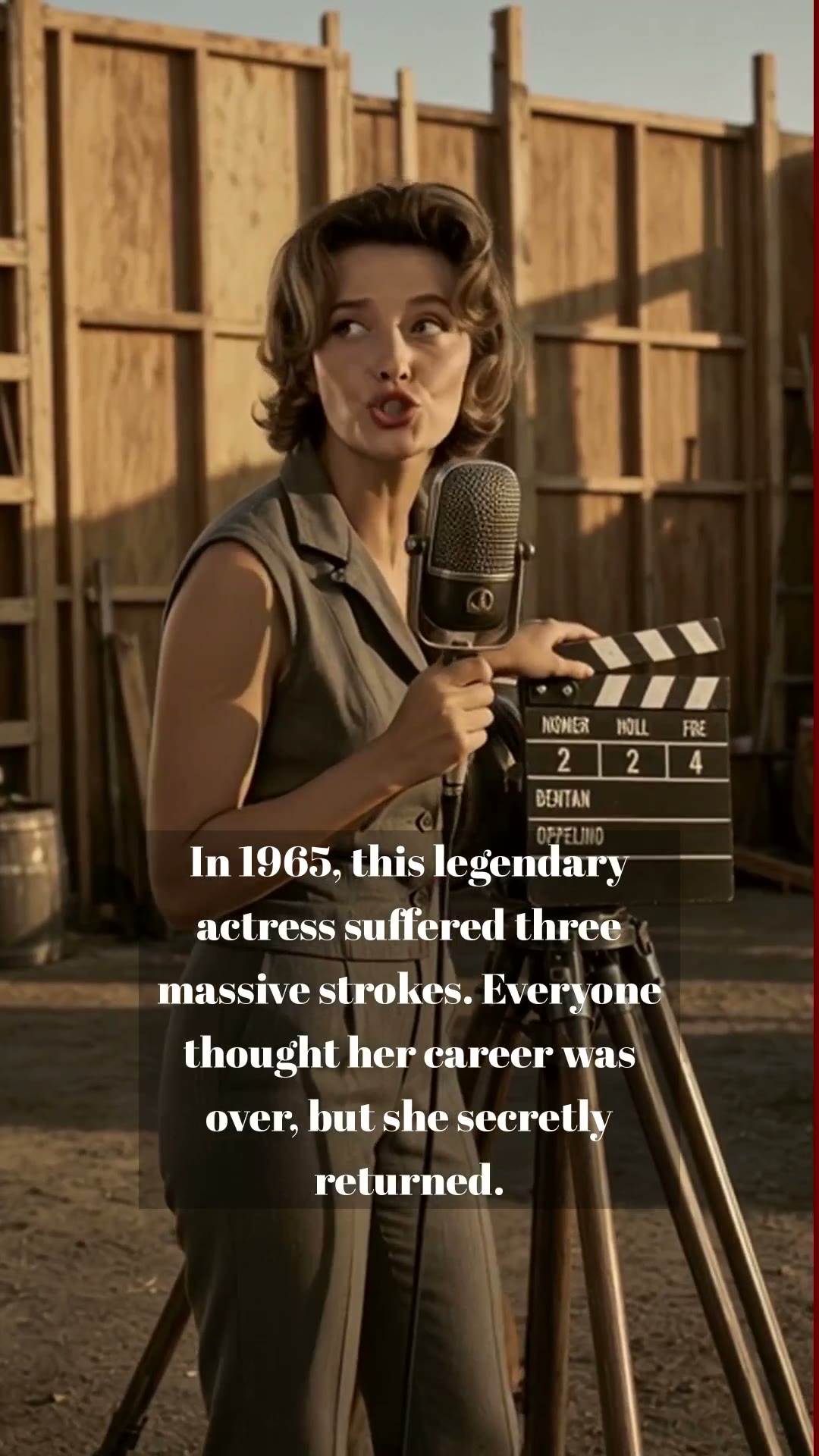
In 1965, the world of cinema held its breath when Patricia Neal suffered three massive strokes at the age of thirty-nine. She was a woman at the absolute peak of her powers, a mother, and a formidable talent whose presence in a film guaranteed a masterpiece. As news broke, the collective sentiment of the industry was one of tragic finality. Many whispered that her career was shattered, a finished chapter in the annals of Oscar night history. Doctors gave her little hope for recovery, and the public braced for the silence that follows the loss of a legend. However, the strength that made Patricia Neal a powerhouse in her craft proved to be the very force that pulled her back from the edge of darkness.
The road to recovery was a grueling, uphill battle that mirrored the dramatic intensity of the roles she once played. With relentless determination, Patricia Neal began the arduous task of relearning how to speak and walk. It was a secret, private war fought away from the glitz of the Walk of Fame and the flashing bulbs of press cameras. Her return to acting was not merely a career move; it was a defiant statement of the human spirit. When she eventually stepped back onto a set, she brought with her a new, deepened layer of humanity—a vulnerability that only those who have stared into the abyss can truly convey to an audience.
Watching Patricia Neal on screen today, whether in the grainy quality of a vintage VHS tape or a restored print, serves as a poignant reminder of a bygone era. She belonged to a generation of actors who treated their craft as a sacred calling rather than a commodity. Her story resonates because it is a testament to the resilience of the soul. In an age where we often focus on the polish of celebrity, the legacy of Patricia Neal stands as a monument to grit, sacrifice, and the enduring power of the will to live.
As we look back at the cinematic landscape of the 1950s and 1960s, it is the quiet courage of figures like Patricia Neal that keeps the memory of the silver screen alive. She reminds us that even when the lights seem to dim, the true spirit of an artist can find a way to shine again. May we always remember the woman who fought for her second act, leaving behind a legacy that continues to inspire long after the final curtain falls.