
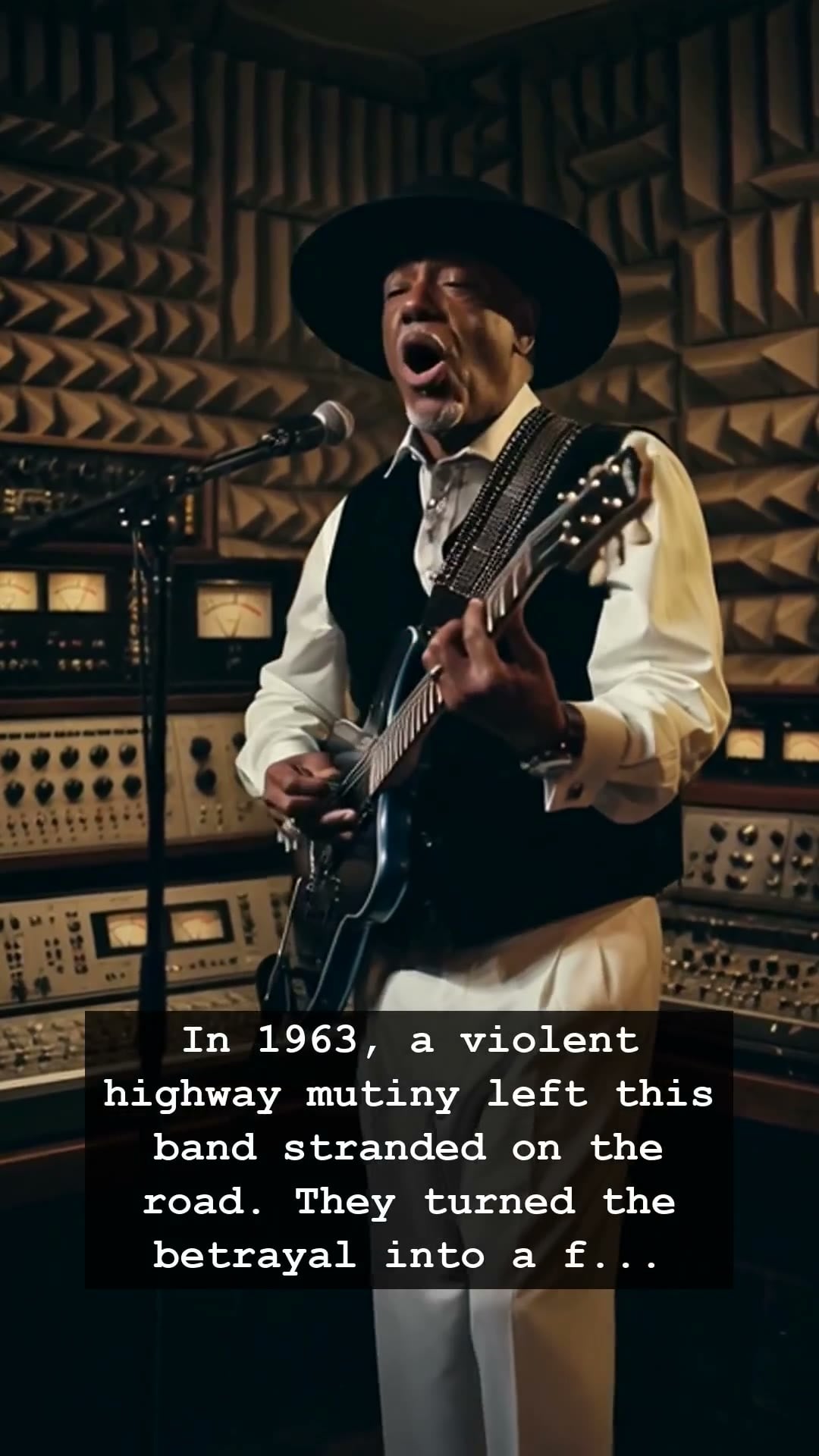
The year was 1963, and the asphalt of the American Midwest was a brutal proving ground for any band with a dream. The Ohio Players were just beginning their ascent, but their journey nearly ended before it began on a lonely, desolate stretch of highway. In a moment of cold-blooded betrayal that sounds more like a scene from a gritty film noir, the original band members suffered a violent mutiny. They were abandoned by their own musicians, left stranded with nothing but their instruments and the biting cold of the roadside. Most bands would have packed their bags and vanished into obscurity, but for this group, the wreckage became the foundation of a funk empire.
This incident wasn’t just a bump in the road; it was the crucible that forged the sound of the Ohio Players. They took the sting of that abandonment and poured it into a raw, hypnotic rhythm that would soon define the 1970s. While the rest of the world was catching the tail end of the surf craze or tuning into the early whispers of the British Invasion, the Ohio Players were refining a gritty, syncopated funk that felt like it had been pulled directly from the heart of the urban streets. They understood that to survive in a cutthroat industry, you had to be more than just musicians; you had to be survivors who could turn pain into a danceable groove.
By the time the 1970s arrived, the Ohio Players had transformed into a commercial juggernaut. With their iconic, often controversial album covers and a string of chart-topping hits like Fire and Love Rollercoaster, they became the undisputed kings of the funk era. They conquered the airwaves just as the disco fever began to take hold, yet they maintained a rugged, soulful edge that their contemporaries lacked. They brought the heat of the Jukebox era into the polished studios of the mid-70s, ensuring that every bass line hit with the precision of a heartbeat.
Behind the glitz of their gold records and the bright lights of the stage, the ghost of that 1963 mutiny never truly faded. It served as a reminder of the fragility of fame and the darker side of the music business. The band operated with an intensity that bordered on obsessive, a byproduct of having once been left with nothing. Their music wasn’t just entertainment; it was a testament to resilience, a sonic reminder that even when you are cast aside by those you trust, you can still find your own rhythm and rebuild from the ground up.
Decades later, the legacy of the Ohio Players continues to resonate with anyone who appreciates the deep, driving pulse of vintage funk. Their story remains a poignant chapter in American music history, bridging the gap between the raw, bluesy roots of the early 60s and the slick, synthesized production of the coming decades. When you drop the needle on one of their records today, you aren’t just hearing a song; you are hearing the echo of a band that refused to let their dreams die on the side of a highway. They proved that the deepest scars often make for the best music.