
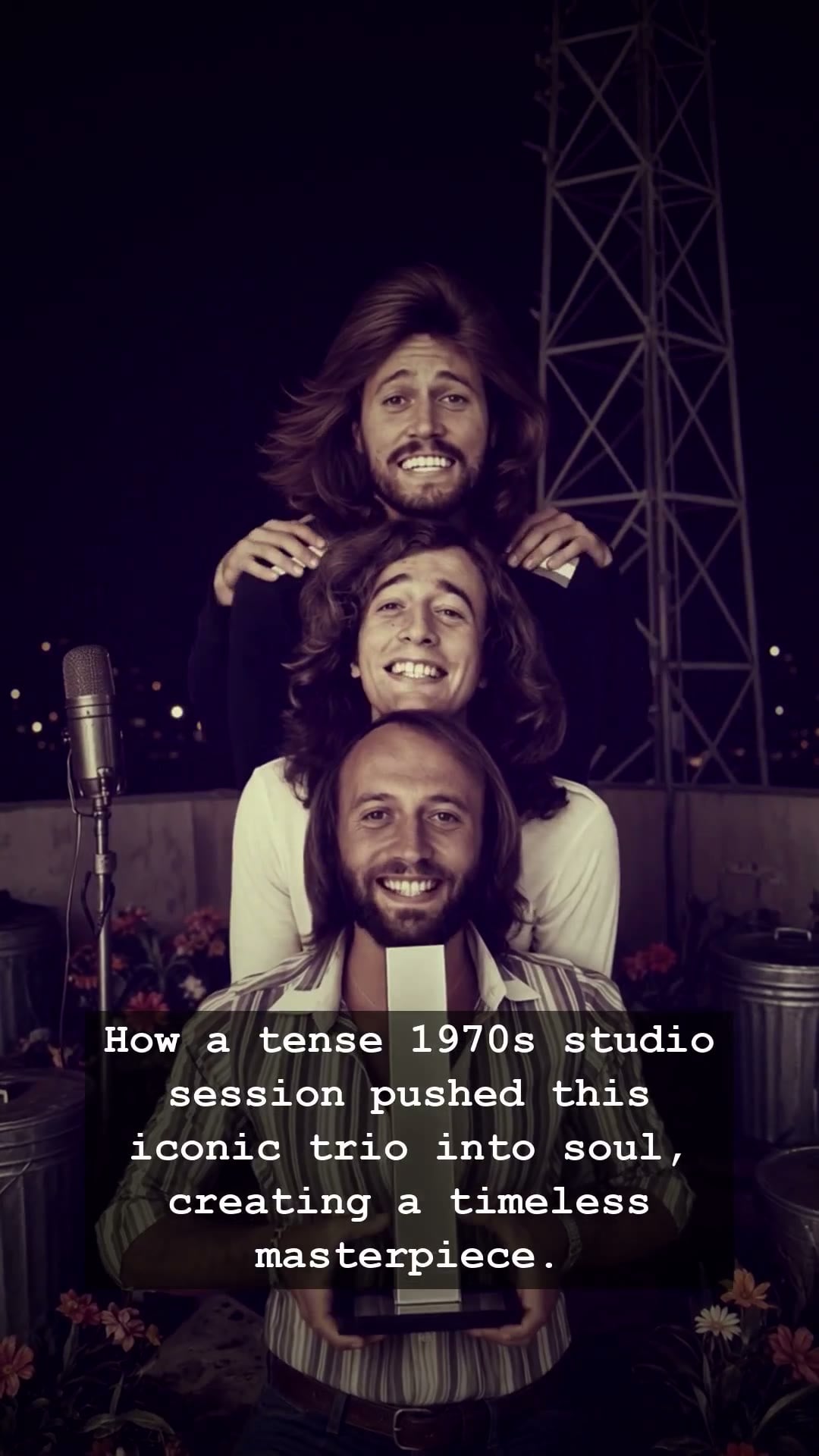
The air in the Miami studio in 1975 was thick with the scent of stale coffee and cigarettes, but more importantly, it was suffocating with the weight of failure. For the Bee Gees, the mid-seventies were a career nadir. The brothers, Barry, Robin, and Maurice Gibb, were seen as relics of a fading pop era, struggling to find a footing in an industry rapidly shifting toward the gritty, high-octane sounds of disco and funk. They were essentially stranded in the wilderness of the music business, desperate for a sound that could bridge their haunting vocal harmonies with the pulse of the changing times. Enter Arif Mardin, a legendary producer with a Midas touch and an ear for the soul, who would unknowingly become the architect of their resurrection.
Arif Mardin did not just sit at the mixing console; he pushed the Bee Gees into a corner, forcing them to shed their folk-pop skin. During those grueling sessions, the tension was palpable. The brothers were used to their own melodic instincts, but Arif Mardin challenged them to embrace the deep, syncopated rhythm of American soul. He demanded a grittier performance, urging Barry Gibb to find that high-pitched falsetto that would eventually define their disco-era iconography. It was a clash of creative wills. The brothers were exhausted and frustrated, yet they trusted the man who had worked with Aretha Franklin and Dusty Springfield. That friction, that sheer stubbornness to evolve under pressure, is exactly what birthed the soul-infused heartbeat of their rebirth.
When the first notes of this new direction hit the tape, the transformation was undeniable. Arif Mardin had essentially taken the melancholic, sweeping tragedy of the brothers’ songwriting and set it against a backdrop of tight, rhythmic groove. This was the birth of the sound that would dominate the late seventies. It was no longer just about three voices harmonizing; it was about the way the rhythm section interacted with the soul of their pain. The resulting tracks became more than just songs; they became anthems of a generation living under the neon glow of the disco ball.
Looking back at those studio sessions, it is easy to romanticize the brilliance, but the reality was messy and fraught with professional anxiety. The genius of Arif Mardin was his ability to harvest that anxiety and turn it into art. He saw the potential in their sorrow, the way their personal heartbreak could be translated into a universal sound. Without that specific moment of tension, without the insistence of a producer who refused to let them fade into obscurity, the legacy of the Bee Gees would look vastly different.
Today, these tracks remain timeless because they capture the duality of the human experience: the agony of a broken heart set to an irresistible beat. We still listen to them today, finding solace in the echo of those harmonies that have survived the death of the vinyl era and the rise of the digital age. The collaboration between the Bee Gees and Arif Mardin stands as a testament to the fact that sometimes, the greatest art is created when you are pushed to the very edge of your comfort zone. As the needle drops on a record, you can still feel the lingering heat of that Miami summer, reminding us that even in the quietest, most tense moments, music has the power to reinvent history.