
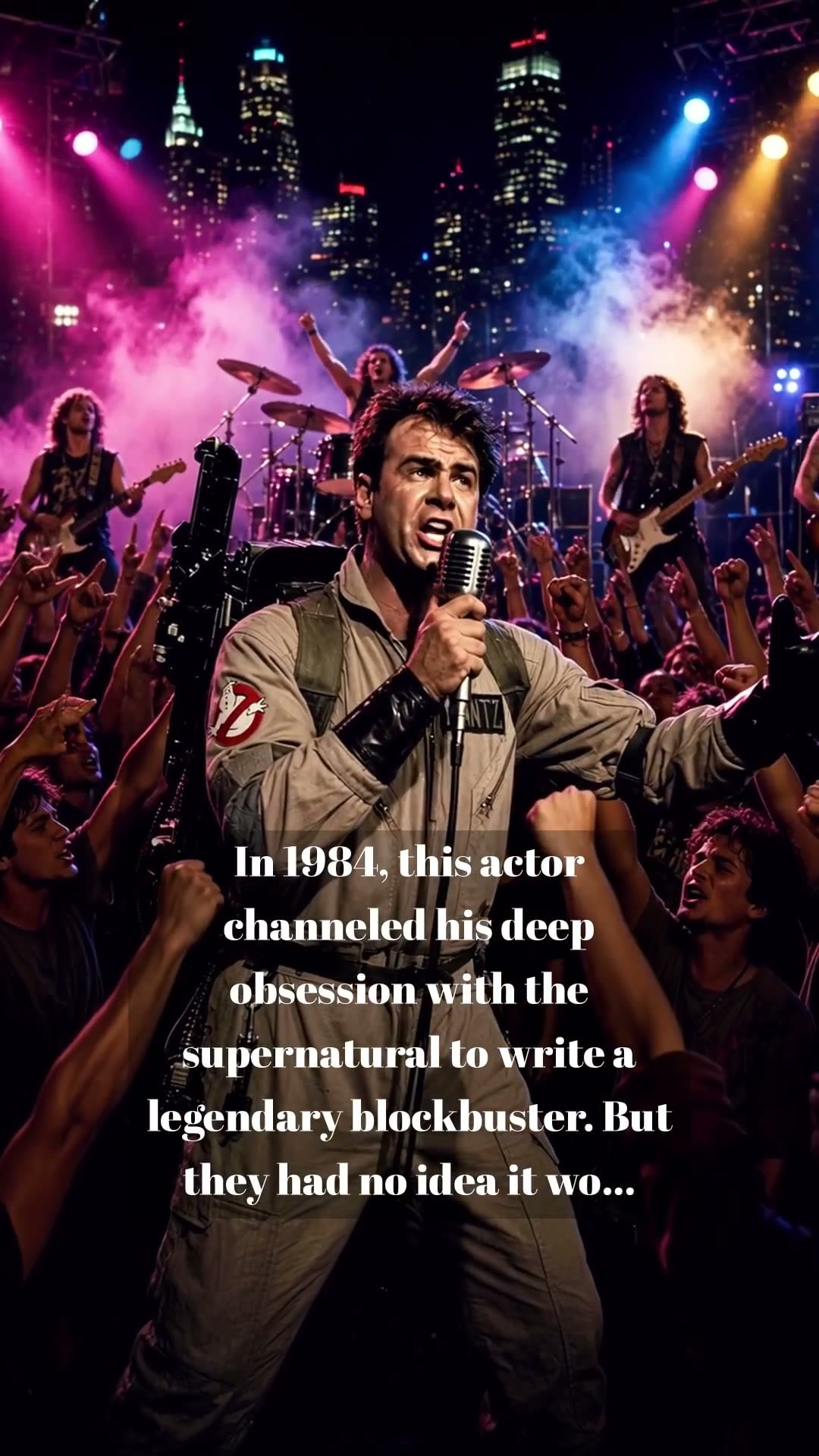
There is a specific, crackling energy that defines the cinema of the 1980s, a decade where the line between high-concept sci-fi and grounded comedy blurred into something truly magical. At the center of this cultural shift was Dan Aykroyd, a performer whose creative spirit was as vast as his curiosity about the unexplained. Long before the term blockbuster became a standard industry benchmark, Dan Aykroyd was already dreaming of a world where phantoms were treated with the same blue-collar grit as a city plumber. His vision for 1984’s Ghostbusters was not merely a screenplay; it was a testament to his lifelong, genuine obsession with the supernatural and the paranormal.
While many of his contemporaries were focused on traditional slapstick, Dan Aykroyd approached his craft with the intensity of an auteur. He drew deep from his family history, which was steeped in stories of spiritualism and séances, to ground the film in a strange, authentic reality. When he sat down to write, he wasn’t just penning jokes; he was crafting a world that felt lived-in and tangible. This dedication to the work—a hallmark of his career that often went unnoticed by those who only saw the humor—elevated the project from a standard comedy to a genre-defining masterpiece. It remains a prime example of the Golden Age of blockbuster filmmaking, where original ideas were allowed to grow into cultural behemoths.
Walking into a theater in 1984 felt like stepping into a dream. For those of us who grew up with the grainy warmth of a VHS tape playing on repeat, the image of Dan Aykroyd and his team suiting up remains a snapshot of a simpler, yet more ambitious, era. The film’s success caught the industry by surprise, proving that audiences were hungry for something that dared to be weird, smart, and hilarious all at once. Dan Aykroyd understood that the best stories are those that don’t talk down to their viewers, respecting our collective intelligence while taking us on a wild, otherworldly ride.
Beyond the glitz of the premiere and the iconic theme song, the legacy of this film rests on the shoulders of Dan Aykroyd’s singular, restless imagination. He brought a sense of sincerity to the screen that is hard to find in today’s CGI-heavy landscapes. That commitment to the craft is why we still reach for those old tapes today, finding comfort in the crackle of the audio and the familiar rhythm of the dialogue. It reminds us of a time when Hollywood legends were built on creative intuition and the courage to pursue a bizarre, brilliant idea until it manifested on the silver screen.
As we look back at the cinematic landscape of the late 20th century, we see the profound impact of creators who poured their souls into their art. Dan Aykroyd remains a titan of this era, a man who saw ghosts in the corners of the room and dared to capture them on film. His work continues to resonate, reminding us that with enough passion and a little bit of magic, even the most eccentric ideas can change the course of movie history forever.