
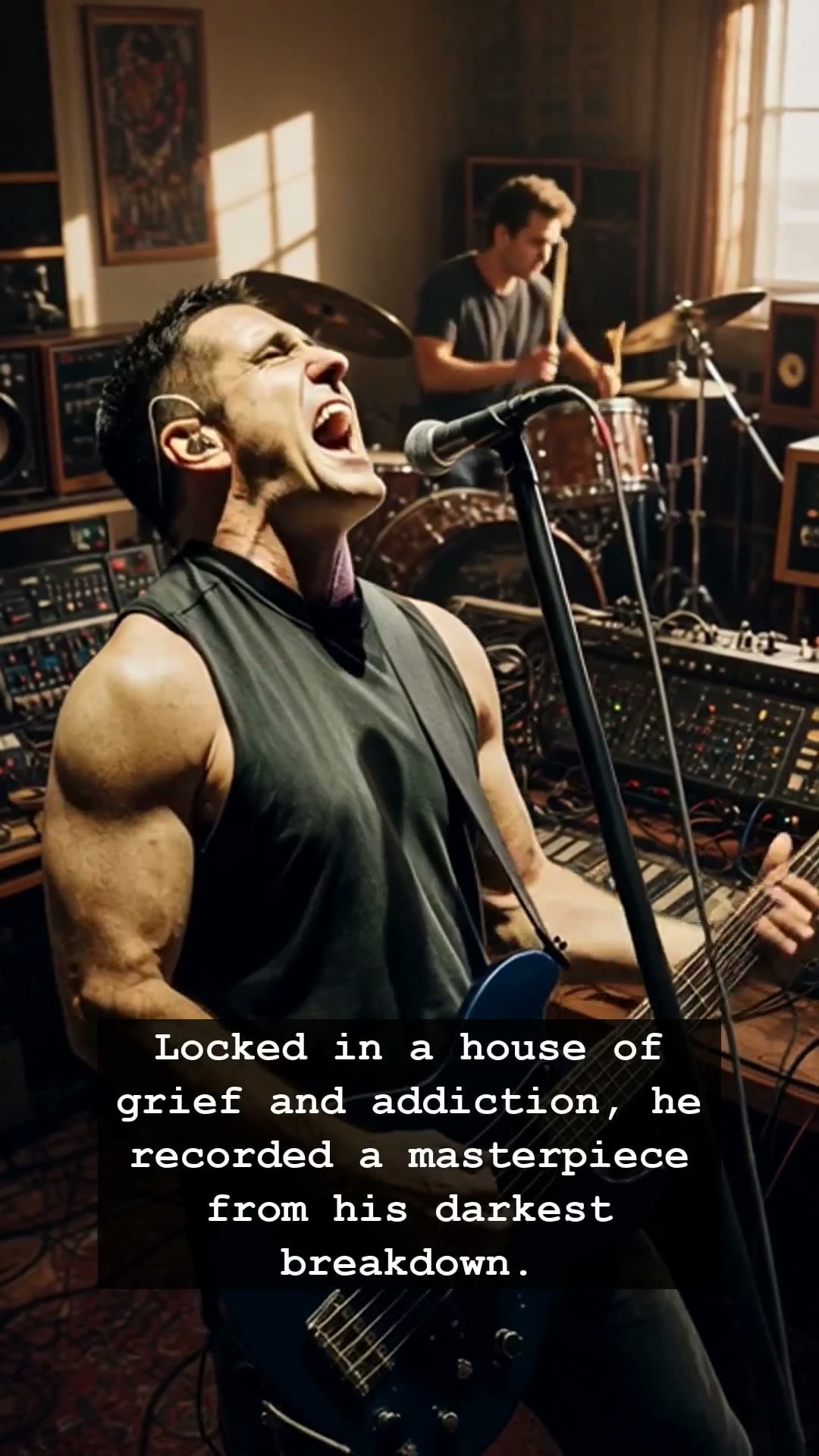
In 1994, the music industry was obsessed with the polished sheen of radio hits and the rising neon glow of MTV, but one man was busy retreating into a house of horrors. That man was Trent Reznor. Within the walls of 10050 Cielo Drive—a location forever haunted by the shadow of the Manson Family murders—Reznor found the perfect, chilling backdrop to craft a sonic descent into madness. Locked away from the light of day, he was not just making an album; he was channeling his darkest psychological breakdowns into what would become the industrial masterpiece, The Downward Spiral.
The atmosphere of the era was shifting. While the world was dancing to the infectious beats of mainstream radio, Trent Reznor was exploring the raw, jagged edges of pain. The recording process was a volatile cocktail of substance abuse, isolation, and an unrelenting creative fire. He took the experimental spirit of the eighties and injected it with a visceral, nihilistic honesty that resonated with a generation feeling disillusioned by the pristine surface of pop culture. It was an era where the Walkman was your only companion, and these tapes provided a window into a mind tearing itself apart.
What makes the story of The Downward Spiral so enduring is not just the haunting synthesizers or the abrasive percussion, but the terrifyingly authentic vulnerability of Trent Reznor. He turned his personal grief and addiction into a grand, operatic tragedy that felt like it was playing out in real-time. There were no masks here, only the raw nerve endings of a man confronting his own demons while the ghosts of the past watched from the corners of that infamous Los Angeles home. It was a bold artistic choice that defined the mid-nineties aesthetic.
The impact of this period in Trent Reznor’s career cannot be overstated. He bridged the gap between the underground industrial scene and the global stage, proving that music born from profound suffering could still capture the collective imagination of millions. When the record finally hit the shelves, the world was stunned by its complexity and its refusal to be radio-friendly. It stood as a monument to the idea that beauty could be found in the wreckage, provided you were brave enough to look.
Looking back, it is impossible to divorce the sound of those gritty, distorted tracks from the psychological state of its creator. We still find ourselves returning to these songs because they remind us of a time when music felt dangerous, tactile, and dangerously real. Trent Reznor transformed his internal collapse into a cultural landmark that still challenges the listener today. As the echoes of those distorted synthesizers fade, we are left wondering if we ever truly understood the man behind the machine, or if we were just lucky to witness his descent into genius.