
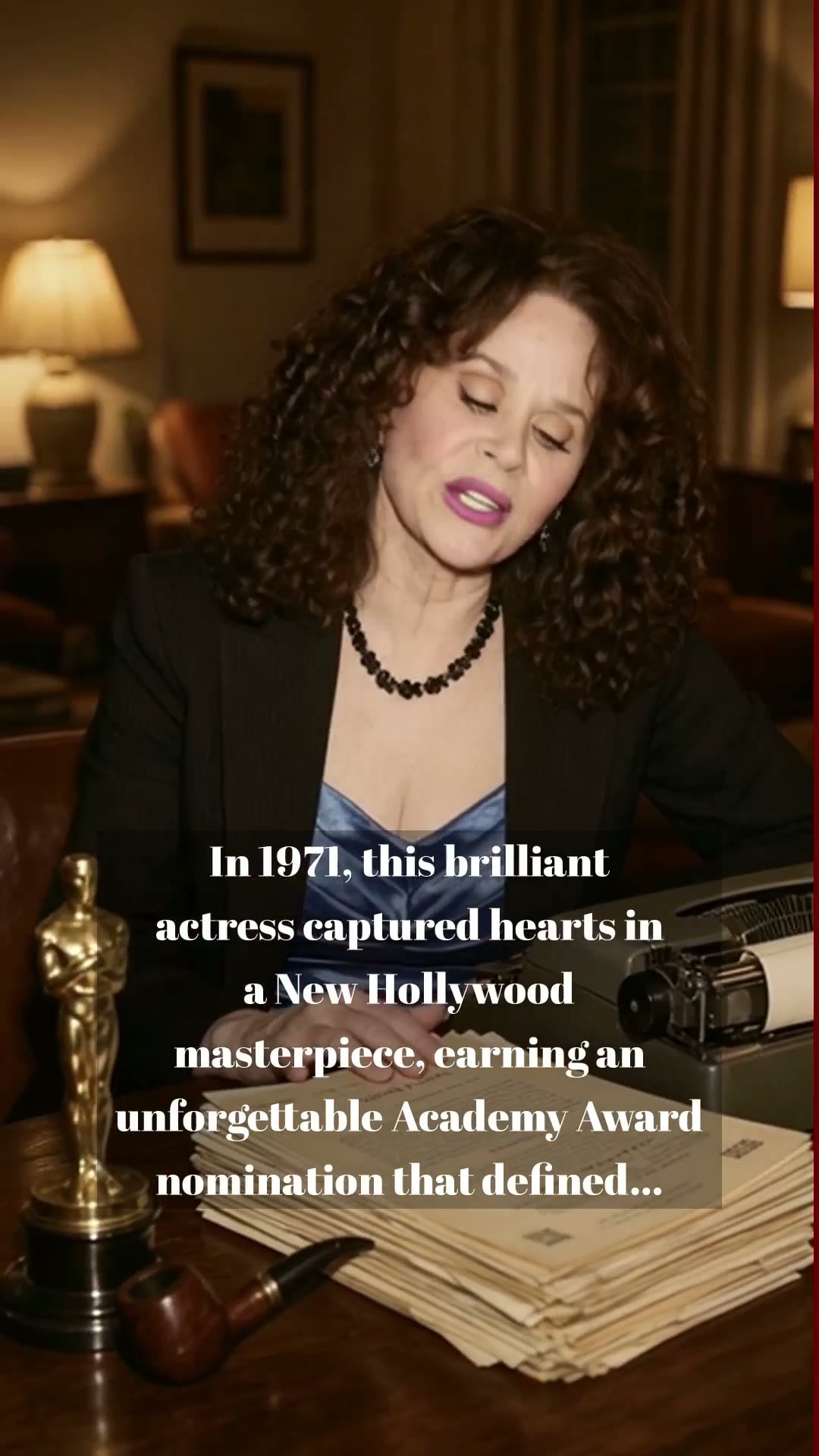
There is a specific, flickering magic to the films of the late sixties and early seventies. It was a time when the polished artifice of the Golden Age Hollywood studio system began to crack, allowing a more rugged, unfiltered brand of storytelling to emerge. At the very heart of this cinematic revolution stood the incomparable Karen Black. With a gaze that felt both fragile and fiercely intelligent, she became an emblem of a generation that sought truth on the silver screen. Her presence was never merely about beauty; it was about a raw, aching humanity that demanded to be seen and felt.
In 1971, the landscape of American film was forever altered by Five Easy Pieces, a masterpiece of the New Hollywood movement. Playing the role of Rayette Dipesto, the long-suffering and deeply devoted girlfriend to Jack Nicholson’s restless character, Karen Black delivered a performance that remains etched in the memories of those who lived through that era. It was not just a role; it was a masterclass in Method Acting. She managed to portray the profound loneliness of a dreamer trapped in a life she couldn’t quite navigate, capturing a level of vulnerability that few actors dared to expose. Her Academy Award nomination for Best Supporting Actress was not just an accolade; it was a validation of a talent that felt startlingly real.
Watching Karen Black on screen often feels like revisiting a half-remembered dream captured on a worn-out VHS tape. There was something intensely magnetic about her, a willingness to be unglamorous and painfully authentic. In an industry that often prioritized the pristine, she brought the grit of the streets and the ache of the human heart into the limelight. Her collaboration with Jack Nicholson remains one of the most iconic pairings of that decade, a testament to the electric chemistry that defined a transitional, transformative chapter in movie history.
Beyond her defining success in 1971, Karen Black continued to carve out a legacy as a versatile force of nature. Whether in high-stakes dramas or the cult classic genre films that characterized the later VHS explosion of the eighties, she never lost that spark of individuality. She carried herself with the gravity of a true artisan, someone who understood that the craft of acting was not about vanity, but about excavating the hidden corners of the soul. For the generation that grew up in the shadow of these performances, her name is synonymous with the era’s daring ambition.
As we look back at the Walk of Fame and the ghosts of Oscar nights past, it is easy to see why Karen Black resonates so deeply today. She represented a time when movies were allowed to be messy, quiet, and profoundly human. Her work invites us to pause, to look back at the flickering silver screen, and to remember that true art leaves a permanent mark on the landscape of our lives. We honor her not just for her accolades, but for the indelible spirit she brought to the story of Hollywood.