
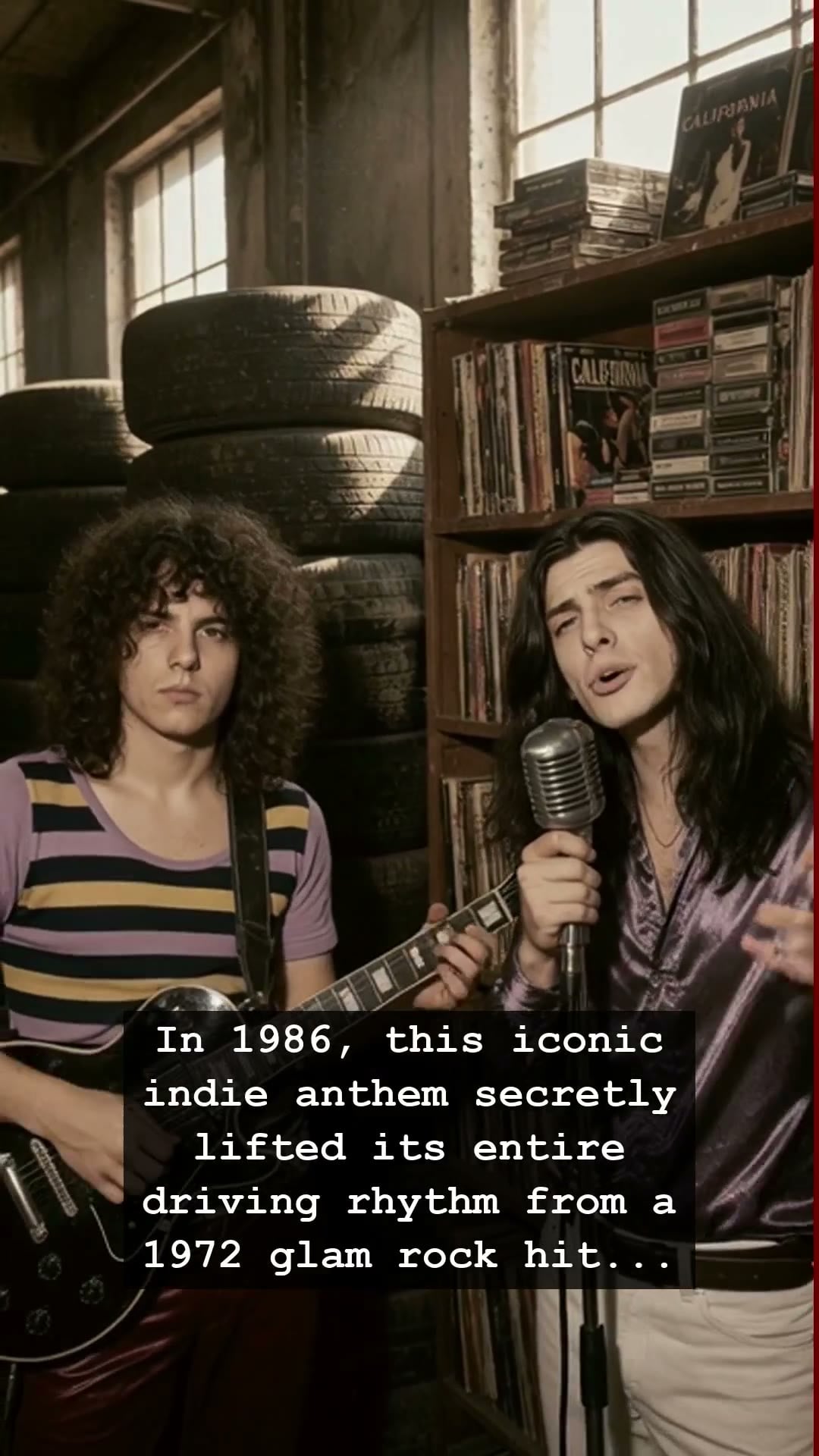
It was 1986, the year of the Walkman and the rise of the independent spirit in music. The airwaves were thick with synthesizers and the shifting tides of British guitar music. Amidst this backdrop, The Smiths released a track that would go on to define a generation of indie dreamers. Yet, beneath the jangly guitars and the melancholic poetry, there was a secret pulsing through the rhythm section that few listeners ever dared to unravel. The groove was not entirely born of the mid-eighties; it was a ghost from 1972, a direct inheritance from the master of glam rock, Marc Bolan and his legendary band T. Rex.
To understand this connection, you have to look back at the glitter-dusted landscape of early seventies London. Marc Bolan was the king of the chart-toppers, a man who transformed rock and roll into a theatrical, glitter-strewn spectacle. With his feather boas and Les Paul guitar, Bolan defined the glam rock aesthetic long before punk or synth-pop took hold. His music possessed a driving, repetitive, and infectious stomp that turned the Jukebox into a portal for pure sonic escapism. It was raw, it was seductive, and it was undeniably cool.
When The Smiths crafted their iconic indie anthem, they were masterfully channeling the spirit of the past while claiming the future. But the rhythmic DNA—the very skeleton of the track—was a nod to the T. Rex blueprint. It was a sophisticated homage that functioned like a hidden code, recognizable only to those who had spent their youth spinning vinyl until the grooves wore thin. While the media in 1986 was preoccupied with the glossy production of MTV, the true architects of sound were still looking back to the golden era of Marc Bolan to find the heartbeat of a hit.
This phenomenon of musical mimicry is rarely about theft; it is about conversation. Artists like Johnny Marr and Morrissey were students of history, absorbing the swagger of Marc Bolan and repurposing it for a world that was becoming increasingly cynical. By lifting that specific rhythm, they kept the flame of glam rock alive, bridging the gap between the decadence of 1972 and the longing of the eighties. It was a bridge built of rhythm and ambition, connecting the glitter of the London underground to the rainy streets of a new musical movement.
Today, we look back at this moment with a sense of wonder. The fact that an indie masterpiece can trace its pulse to a glam rock pioneer only reinforces the timeless nature of great songwriting. Marc Bolan left behind a legacy that refused to stay buried in the archives, finding its way into the modern consciousness through unexpected avenues. Whether through accident or intentional tribute, the resonance remains. Every time that driving rhythm kicks in, we are reminded that music is a living, breathing cycle—an endless loop of sound that links the legends of yesterday to the anthems of tomorrow.