
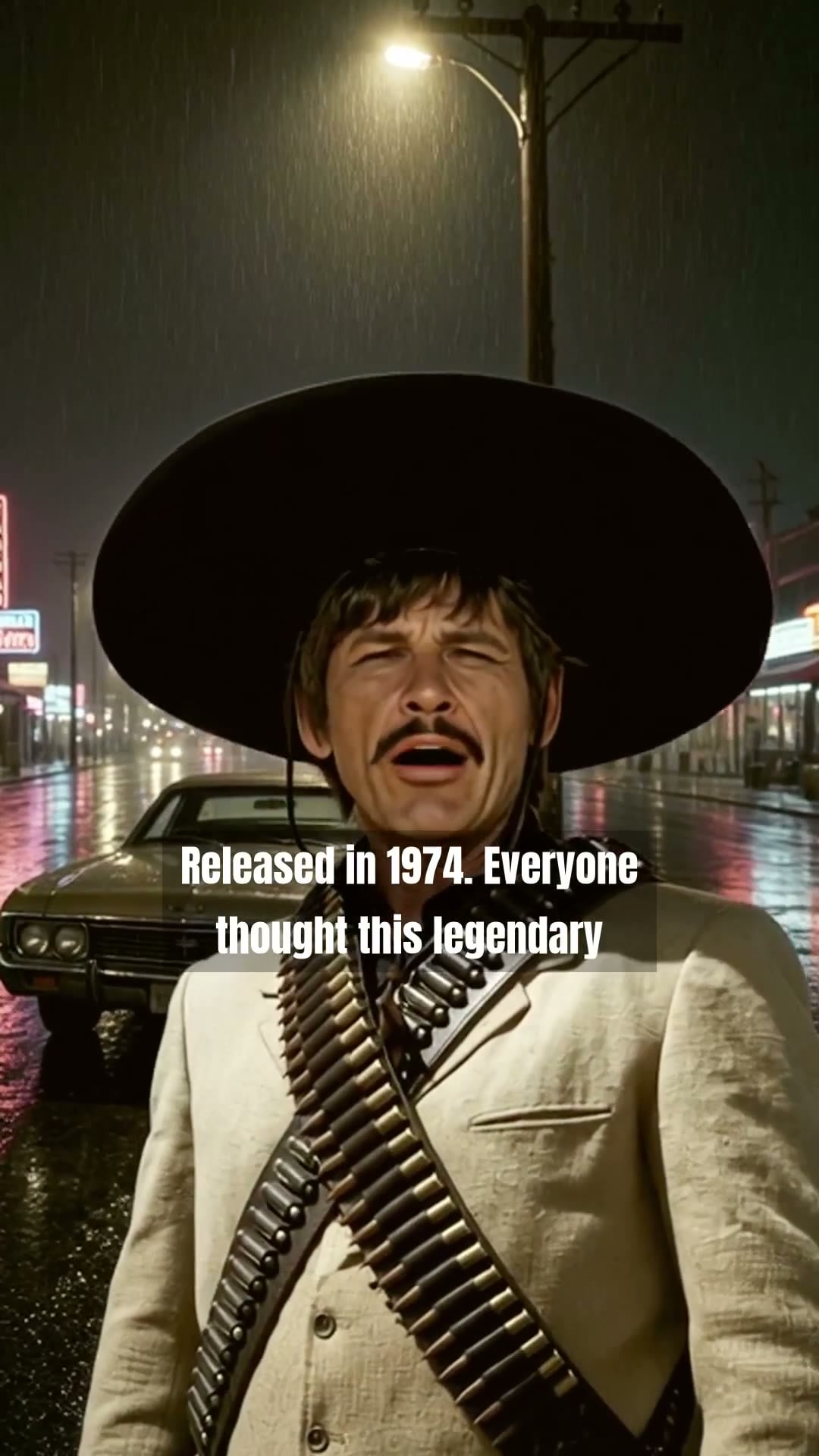
In the golden tapestry of mid-century cinema, few faces commanded the screen with the quiet, weathered intensity of Charles Bronson. Before 1974, audiences knew him as a reliable character actor, a face that flickered in and out of the classic Golden Age Hollywood productions with a stoic, brooding presence. Yet, it was the release of the gritty urban thriller Death Wish that shattered every perception people held about him. Suddenly, the man with the rugged features and the watchful eyes was no longer just a supporting player; he had become global box office royalty. It was a transformation that felt both sudden and inevitable, marking a shift in the landscape of American film history that many of us still remember with profound fondness.
To understand Charles Bronson, one must look past the gun-toting vigilante persona that dominated his later years. Born Charles Buchinsky into a large Lithuanian-American family in Pennsylvania, he was a man who lived the realities of labor long before he stepped onto the silver screen. This authenticity was his greatest tool, a form of natural method acting that didn’t require the bells and whistles of the Actors Studio. He carried the weight of real life in his gaze. Whether he was standing alongside Steve McQueen in The Magnificent Seven or anchoring a suspenseful blockbuster in the late seventies, he remained the antithesis of the polished, over-hyped star. He was the man who said everything by saying almost nothing at all.
The mid-1970s was a fascinating time for cinema. As the industry moved away from the lush, orchestrated grandeur of the studio system, audiences gravitated toward the raw, unapologetic realism of the New Hollywood era. Charles Bronson fit this mold perfectly. He didn’t just play a hero; he played a survivor. The success of his projects on the big screen eventually migrated to the living room, where his films became staples of the VHS era. How many of us spent a Friday night browsing the local video store, eyes scanning the shelves for that familiar, squinting face on a dusty tape? His movies were more than just entertainment; they were rituals that defined our weekend evenings for a generation.
Beyond the box office records and the fame, there was a quiet dignity to his life that resonates even today. His enduring marriage to Jill Ireland serves as a poignant reminder of a Hollywood partnership that felt rooted in genuine affection rather than the ephemeral nature of celebrity culture. They were a team, often working together, providing a human anchor for a man who spent his professional life portraying isolated figures. It is this depth—the man behind the tough-guy facade—that makes his legacy so enduring for those of us who grew up watching him.
As we look back at the cinematic landscape of the 1950s through the 1990s, the contributions of Charles Bronson stand out as a testament to the power of the individual screen presence. He wasn’t chasing the prestige of the Academy Awards, but he captured the spirit of the audience in a way that few others could. His career reminds us of an era when a movie star was defined by grit, hard work, and an unmistakable screen identity that felt earned rather than manufactured. Even decades later, his influence remains etched into the history of the silver screen, proving that some legends never truly fade away.