
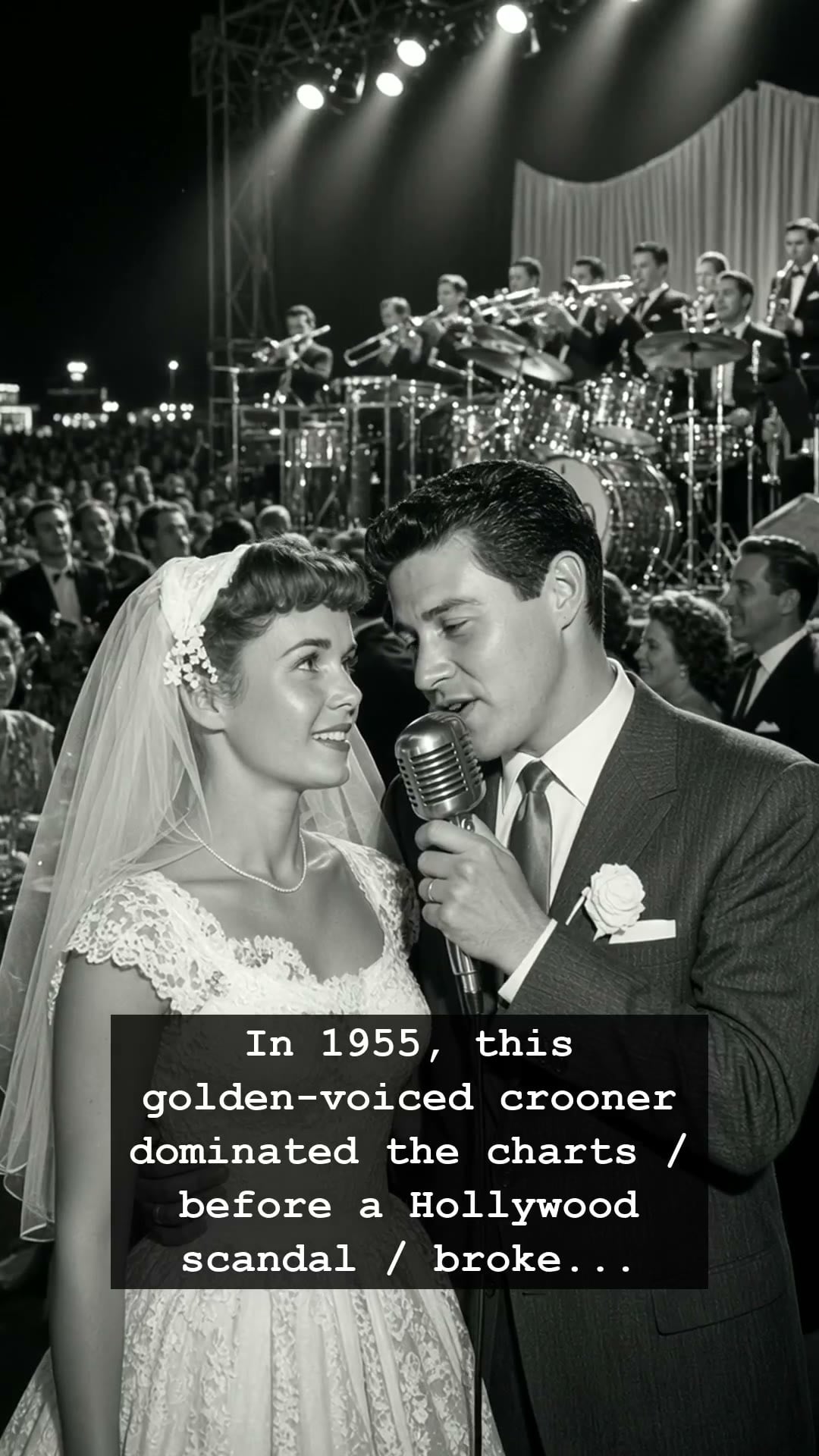
In 1955, the world was a different place. The air was thick with the scent of chrome and hairspray, the jukeboxes in every neon-lit diner were perpetually humming, and one voice soared above the rest. Eddie Fisher was not just a singer; he was the golden boy of the American dream. With a voice that seemed tailor-made for radio waves, he dominated the global pop charts, selling millions of records and charming audiences with a boyish sincerity that made him the ultimate heartthrob of the decade. Yet, beneath the polished veneer of his stardom, a storm was brewing, one that would soon tear his life and his pristine reputation apart.
To understand the allure of Eddie Fisher is to understand the innocence of the mid-fifties. He was the face of popular music, a household name whose career trajectory seemed destined for an eternity of sold-out concerts and television specials. But history is rarely kind to those who mistake public adoration for private security. The scandal that shattered his brilliant career arrived like a thunderclap in the middle of a peaceful afternoon. When he abandoned his marriage to Hollywood sweetheart Debbie Reynolds to pursue Elizabeth Taylor, the public turned on him with a ferocity that was unprecedented for the time. He wasn’t just a singer anymore; he was the villain in a national soap opera that played out across every newspaper front page from New York to Los Angeles.
That moment of transition serves as a grim reminder of how fleeting fame truly is. In the blink of an eye, the man who could do no wrong became the man who could do no right. The records still played, of course, spinning on turntables in living rooms across the country, but the magic had been irrevocably tainted. As the cultural tides began to shift toward the raw, electric energy of early Rock ‘n’ Roll, Eddie Fisher found himself stranded on the wrong side of history, a relic of a crooner era that the public was suddenly desperate to leave behind in favor of something louder and more rebellious.
Looking back, the story of Eddie Fisher feels like a classic Hollywood noir film, filled with bright lights and dark shadows. He became the cautionary tale for the industry, a stark illustration of how personal choices could outweigh decades of musical output in the eyes of an unforgiving public. The pressure of maintaining a perfect image in an era before social media, where the tabloid press served as the ultimate judge and jury, weighed heavily on him. The studio system and the pressures of celebrity life often masked a deeper, more complicated reality that the average listener on the street would never know.
Even today, the echo of his voice remains a haunting piece of mid-century nostalgia. Whether you remember the frantic excitement of his concerts or you are simply discovering the velvet smoothness of his hits for the first time, his legacy is a complex tapestry of triumph and tragedy. Perhaps it is time to look past the tabloid headlines of the past and simply listen to the music that once defined a generation. Does the voice of Eddie Fisher still hold a place in your memory, or has time finally faded the glow of his golden years?