
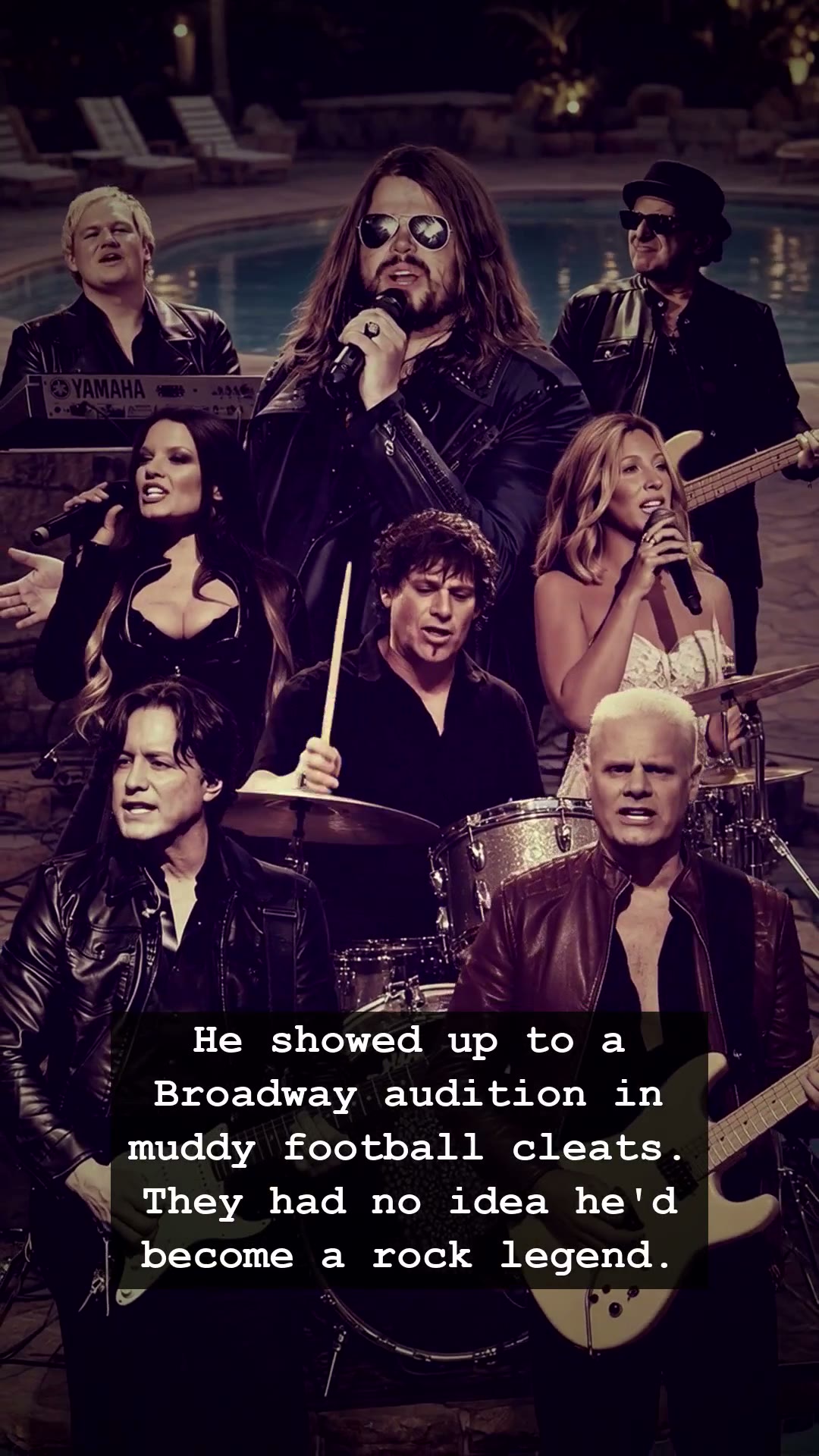
Imagine a humid Broadway casting room in the 1960s, a place of polished floors and carefully rehearsed poise. Suddenly, the door swings open to reveal a massive, disheveled figure stomping in wearing muddy football cleats. Most directors would have laughed him out of the building. But the man beneath the grime was Meat Loaf, a force of nature who didn’t care about the rules of theater or the conventions of stardom. He was an outsider in every sense of the word, yet he possessed a voice that would soon vibrate through every Jukebox and arena across America. That moment, as absurd as it was, became the prologue to one of the most unpredictable careers in rock history.
Born Marvin Lee Aday, Meat Loaf never quite fit the mold of the typical rock idol. He wasn’t the sculpted sex symbol of the disco era or the clean-cut poster boy of early pop. He was something else entirely: a theatrical, operatic heavyweight who brought a tragic, cinematic scale to rock and roll. While his peers were chasing the polished sounds of the radio, Meat Loaf was working in the trenches, waiting for his moment to collide with songwriter Jim Steinman. Their collaboration was less of a partnership and more of a beautiful, volatile storm that produced the legendary ‘Bat Out of Hell.’
To understand the magnitude of his impact, you have to remember the landscape of the late 70s. As the world pivoted from the velvet ropes of Studio 54 to the grit of FM radio, Meat Loaf arrived like a wrecking ball. He transformed rock music into a grand, sweeping drama, turning three-minute songs into ten-minute symphonies of heartbreak, gasoline, and teenage rebellion. He was the king of the dramatic ballad, a man who gave every ounce of his soul into his performances until he was physically drained, often collapsing on stage under the sheer weight of his own intensity.
But behind the curtains, the life of Meat Loaf was marred by the classic pitfalls of the era. The dark side of fame—the relentless pressure, the chemical dependency, and the fragile ego of a performer who gave too much—took a toll on his body and his mind. Yet, there was an undeniable authenticity in his struggle. When he sang, you believed every word of the sorrow and the triumph. He was the patron saint of the brokenhearted, singing for the kids who felt as awkward and out of place as he did in those muddy cleats during that fateful Broadway audition.
Today, his music remains a time machine, transporting us back to a period where rock wasn’t just a genre; it was a theater of the psyche. Meat Loaf proved that you didn’t need to fit in to be legendary. You just needed to be loud enough, honest enough, and strange enough to leave a permanent mark on the cultural consciousness. Whenever you hear those opening piano chords of his classic hits, take a moment to remember the man in the cleats who refused to play by anyone else’s script.