
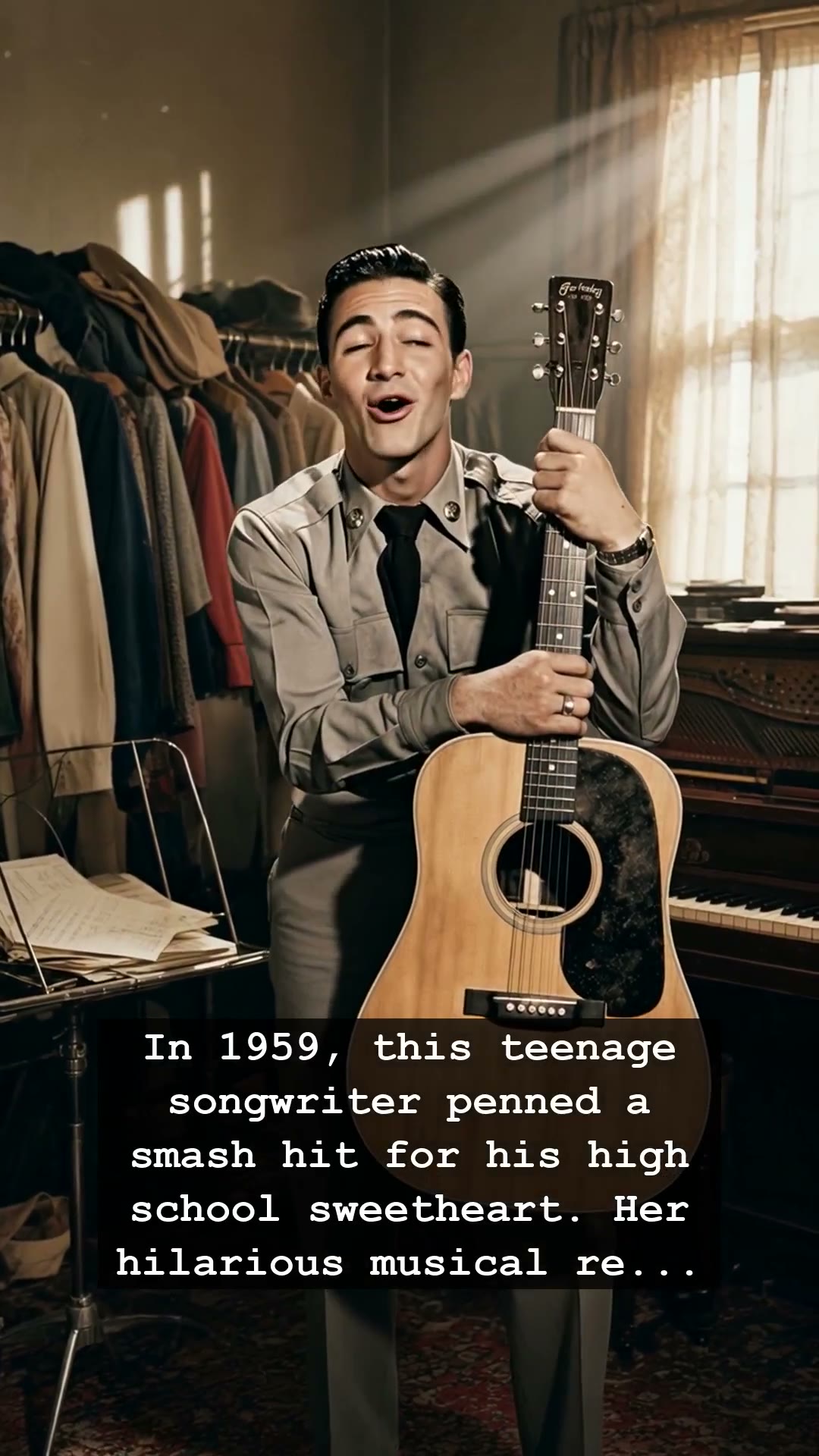
In the smoke-filled air of a late 1950s Brooklyn high school, a teenage Neil Sedaka sat hunched over a piano, pouring his teenage heartbreak into a melody. He had just suffered a devastating breakup with his sweetheart, a girl named Carole Klein. Driven by the raw, stinging ache of adolescent rejection, he penned a song that would eventually become an anthem of the era: Oh! Carol. It was more than just a pop tune; it was a desperate, melodic plea from a boy who had no idea he was standing on the threshold of music history.
At the time, the world of music was shifting. The golden age of the jukebox was in full swing, and teenage dreams were being pressed onto 45 rpm vinyl records. Neil Sedaka was just a kid with big aspirations, but he possessed a knack for infectious pop hooks that would soon define the sound of the Brill Building era. However, the executives at his record label were skeptical. They thought the song was too personal, perhaps too fragile to survive the competitive landscape of the late 1950s. They nearly buried the track in the archives, failing to see the fire that the young songwriter was trying to extinguish.
But they underestimated the girl behind the song. Carole Klein—who would soon change her name to the legendary Carole King—was not about to let this be the end of the story. Instead of ignoring the public declaration, she did something unexpected: she wrote a musical reply. Under the title Oh! Neil, she crafted a witty, charming, and sharp-witted response that mirrored the rhythm and spirit of the original. It was a bold move that showcased her budding genius for songwriting, a talent that would eventually lead her to become one of the most celebrated singer-songwriters of the twentieth century.
This musical tug-of-war between two future icons captured the imagination of a generation. It was a rare, intimate moment where the personal lives of two rising stars collided with the machinery of the music industry. The exchange turned what could have been a forgotten high school crush into a piece of pop culture mythology. It set the stage for Carole King to eventually pen some of the greatest songs in history and for Neil Sedaka to dominate the charts for decades to come, their careers forever intertwined by that early, youthful spark.
Looking back, this story serves as a nostalgic bridge to a simpler, albeit more dramatic, time in American music. It reminds us that before the stadium tours, the synthesizers of the eighties, and the massive cultural shifts of the late twentieth century, there were just two teenagers with pianos and bruised hearts. Their brief, creative confrontation remains a testament to how personal vulnerability can fuel legendary success. The next time you drop the needle on a record player, listen closely for the echoes of Oh! Carol, and remember the day when two musical titans first found their voices in each other’s shadows.