
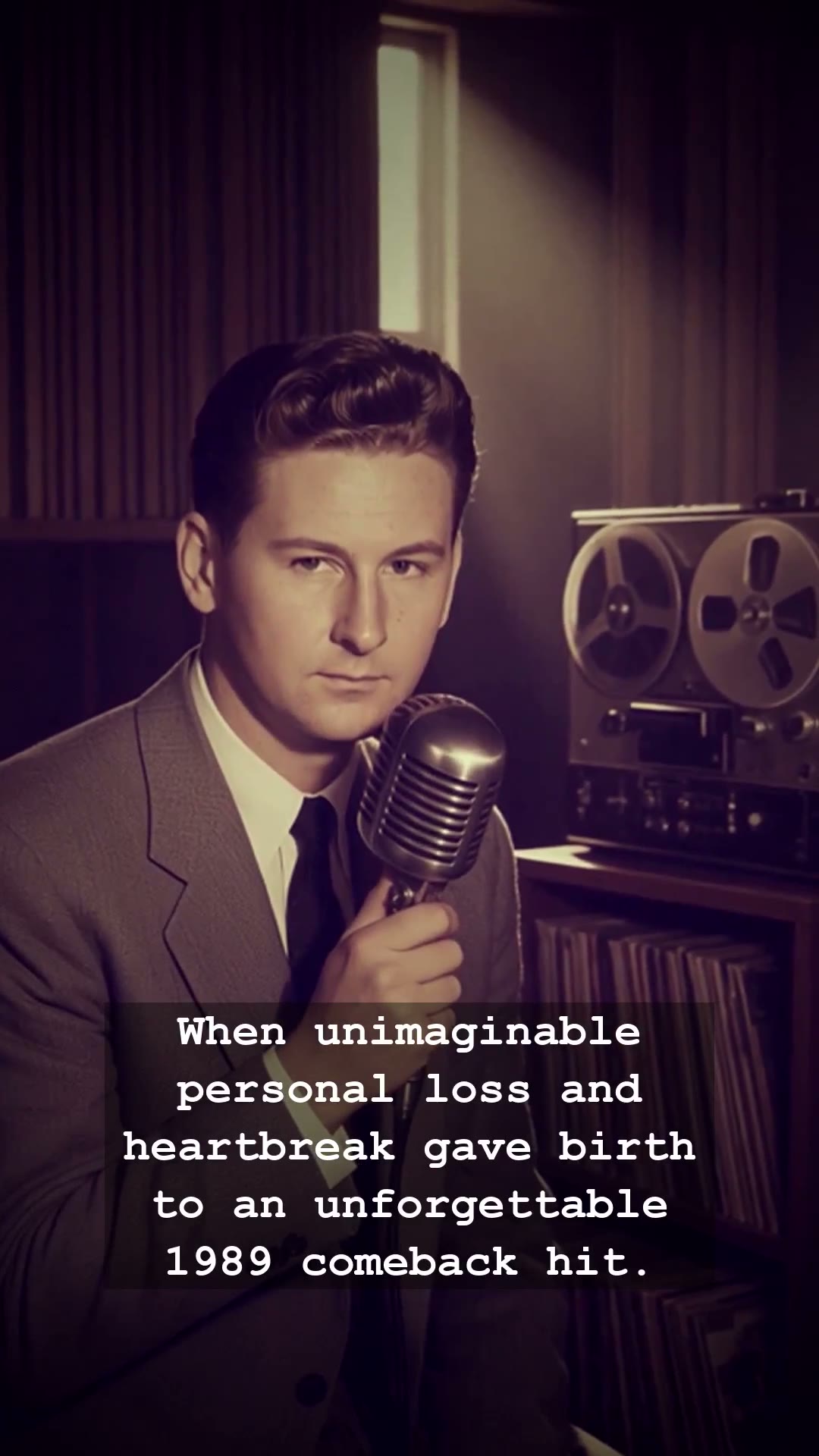
It was the twilight of the 1980s, an era defined by neon synthesizers and the polished, high-gloss production of MTV. Amidst the artificial beats and shoulder pads, a voice from a bygone era emerged from the shadows like a ghost from a dusty Jukebox. When Roy Orbison released You Got It in 1989, it wasn’t just a comeback; it was a resurrection. For a man whose signature look—dark, impenetrable sunglasses and a suit as black as midnight—mirrored the profound melancholy of his own life, this track served as a final, soaring testament to his enduring genius. Yet, few listeners knew that the man behind that velvet, operatic cry had spent decades walking through the literal flames of hell.
To understand the gravity of Roy Orbison, you must look beyond the Billboard charts. By the time the late 80s rolled around, many had forgotten the man who had once stood toe-to-toe with The Beatles. His life had been a Shakespearean tragedy played out in the harsh glare of the public eye. In 1966, his wife Claudette was killed in a motorcycle accident, a loss that shattered his world. Only two years later, tragedy struck again when two of his three sons died in a house fire while he was on tour in England. These were not mere headlines; they were soul-crushing wounds that seemed to freeze his creative heart in time.
For nearly twenty years, Roy Orbison wandered the musical wilderness. While the world moved toward the aggression of Grunge and the theatrical excess of Glam Metal, he remained a recluse, haunted by the memories of those he had lost. His career felt like a fading photograph left out in the sun. However, the late 80s brought an unlikely turning point. Collaborating with the Traveling Wilburys, he found a new tribe, a creative sanctuary that allowed his voice to finally find its resonance once more. This artistic rejuvenation wasn’t just about melody; it was about survival.
When he walked into the studio to record his final sessions, he carried the weight of those decades with him. You Got It was more than a catchy pop song; it was the sound of a man who had stared into the void and decided to sing anyway. His voice, once described as a range that could pierce through the heaviest orchestration, sounded richer, deeper, and more fragile than ever. It was the sound of a survivor, a man who had paid the ultimate price for his art and was finally making peace with his ghosts.
Roy Orbison passed away just months before the song reached its peak, leaving behind a legacy that transcends the short-lived trends of the 20th century. Today, when we listen to that iconic opening beat, we aren’t just hearing a hit from 1989. We are hearing the echo of a man who turned his grief into a timeless anthem. The next time you hear that voice, remember the man behind the dark glasses—the man who proved that even after the deepest winter, there is always room for a final, beautiful bloom.