
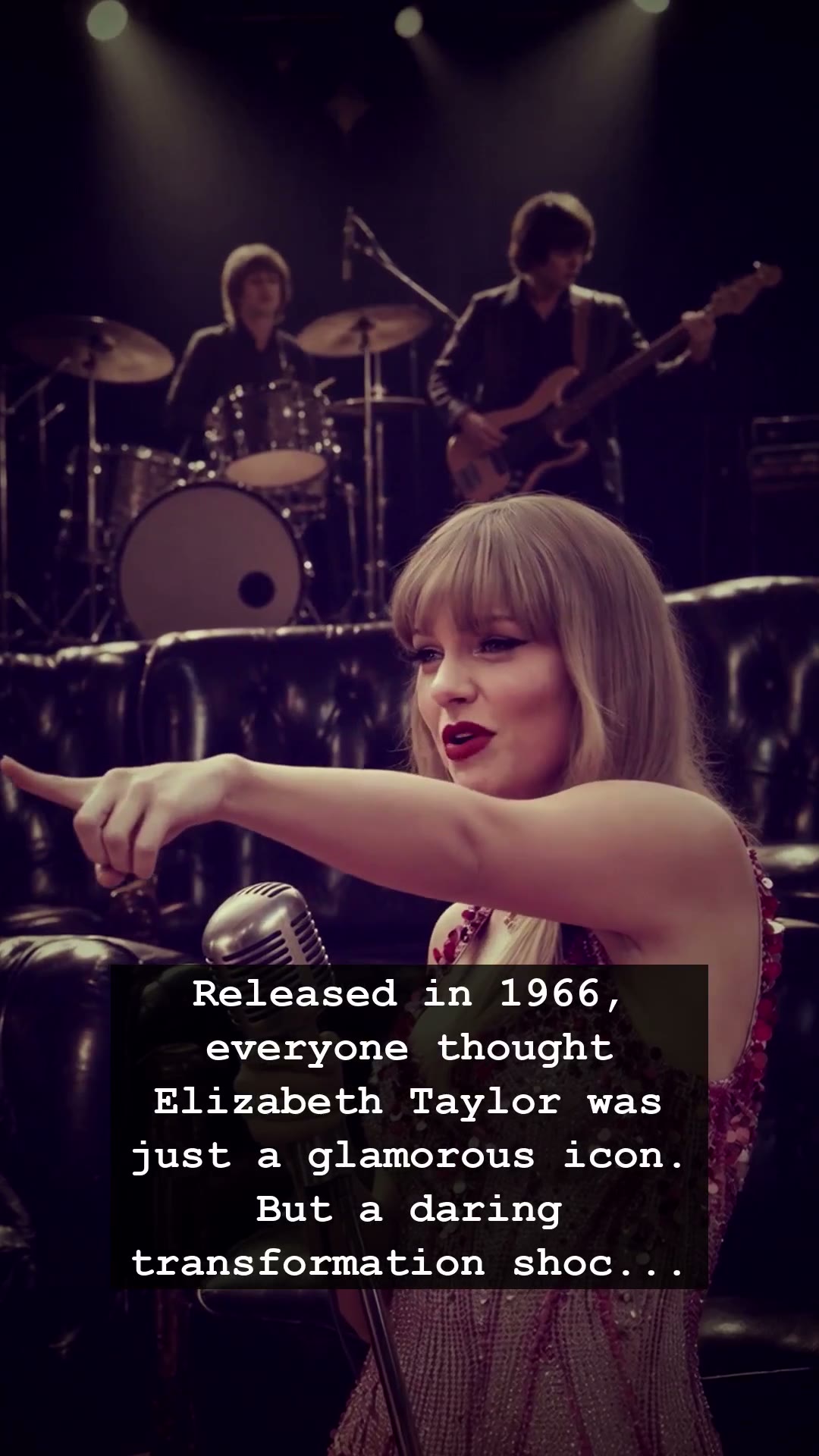
In 1966, the silver screen was still basking in the glow of the golden era, where actresses were expected to be untouchable porcelain dolls adorned in diamonds. Elizabeth Taylor was the ultimate queen of this aesthetic, a woman whose violet eyes were insured for millions and whose every appearance felt like a royal procession. Yet, beneath the layers of silk and the public adoration that filled the theaters of the mid-sixties, a storm was brewing. The world expected another glamorous pageant, but Elizabeth Taylor was about to deliver a performance so raw and unhinged that it would forever shatter the curated image of Hollywood royalty.
When she stepped into the role of Martha in Who’s Afraid of Virginia Woolf?, the transformation was nothing short of a cultural earthquake. Gone were the perfectly coiffed hair and the elegant, manicured poise. In their place stood a woman defined by bitter screams, smeared mascara, and a sharp, jagged reality that felt dangerous to watch. For an audience accustomed to the polished gloss of the era’s jukebox hits and the safe, suburban fantasies sold on the nightly news, this was a slap in the face. Elizabeth Taylor had traded her status as a mere fashion icon for something far more terrifying: the brutal, ugly truth of human conflict.
The production itself was a pressure cooker of tension that mirrored the chaos on screen. The late nights, the alcohol-fueled arguments between cast members, and the intense psychological labor required to inhabit such a broken character took a heavy toll. It was the antithesis of the dreamy, psychedelic optimism that was beginning to bubble up in the music scene of the late sixties. While the rest of the world was looking toward Woodstock, Elizabeth Taylor was looking into the abyss, pulling from her own turbulent personal history to fuel a portrait of marital decay that remains unrivaled in cinema history today.
What makes this chapter of her life so enduring is not just the shock value, but the sheer bravery required to strip away the armor of fame. Elizabeth Taylor proved that the most compelling art often rises from the ashes of one’s own public persona. The industry was not prepared to see its greatest star looking so frayed, so tired, and so human. It was a masterclass in shedding the expectations of a society that demanded perfection at all costs. She forced the audience to look past the surface and grapple with the suffocating reality of domestic tragedy, a theme that feels startlingly contemporary even half a century later.
Even now, looking back at the mid-sixties, Elizabeth Taylor stands out as the bridge between the old-world glamour and the gritty, realistic storytelling that would come to define the following decades. Her performance reminds us that even the brightest stars have shadows, and sometimes, those shadows are where the real beauty hides. If you go back and watch that 1966 masterwork today, you are not just watching a movie; you are watching an icon dismantle herself in real-time, leaving us with a legacy that transcends the red carpet and touches the very core of what it means to be human.