
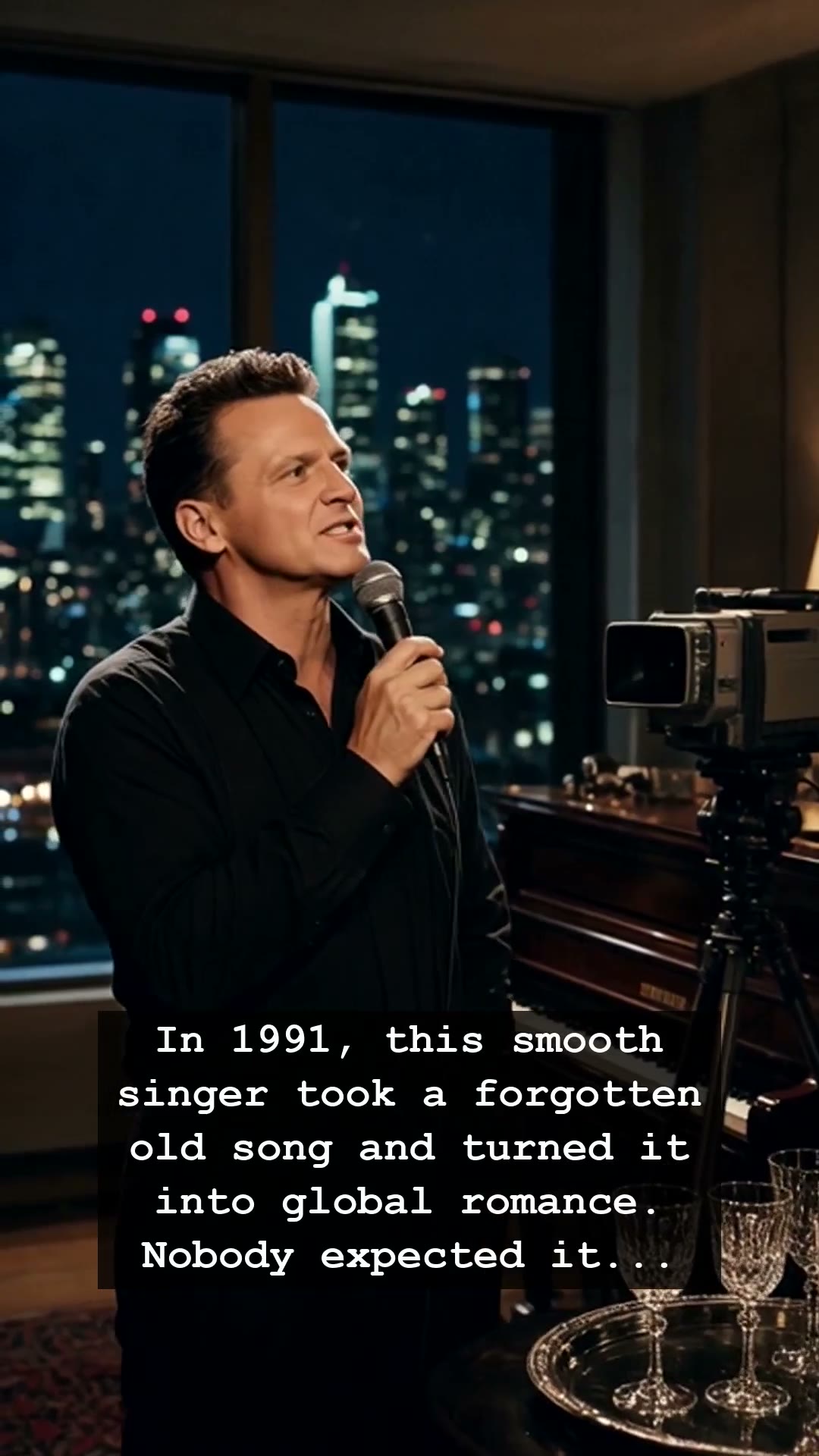
The year was 1991, an era defined by the neon glow of MTV, the rise of the Walkman, and a musical landscape caught between the fading echoes of eighties synth-pop and the raw grit of emerging grunge. Amidst this cultural crossroads, a voice emerged that didn’t just sing a melody; it resurrected an entire era of sophistication. Luis Miguel, already a seasoned star, stepped into the studio to record an album that would shock the industry by looking backward rather than forward. He reached into the dusty archives of Latin music and pulled out a forgotten vintage standard, breathing life into a genre that many critics had prematurely declared dead in the face of modern rock.
At the time, the airwaves were dominated by the aggressive riffs of arena rock and the dance-floor pulse of club culture. Yet, Luis Miguel sensed a collective longing for something more intimate—a return to the elegance of the bolero. When he began to craft the arrangements for the album Romance, he wasn’t just chasing a trend; he was taking a daring creative risk. This project, featuring classic songs that had been gathering dust on vinyl records for decades, was intended to be a nostalgic nod to the past. Nobody expected it to become an absolute masterpiece that would transcend language barriers and melt hearts from Mexico City to the streets of Madrid.
As the session unfolded, the atmosphere in the studio was electric. There was a palpable sense of duty to honor the original composers while imbuing every note with the signature, velvety soul of Luis Miguel. He treated each lyric like a fragile artifact, pouring his own heartbreak and passion into the microphone. The resulting sound was cinematic, lush with strings and subtle percussion that felt like a direct transmission from a golden-age jazz club. It was as if he had managed to capture the ephemeral feeling of a smoke-filled lounge in Havana or a romantic stroll through 1950s Havana, all while the world outside was obsessing over the latest technological gadgets.
The global impact was nothing short of a phenomenon. When the tracks hit the airwaves, they didn’t just climb the charts; they became the soundtrack to weddings, private dinners, and secret late-night confessions. By choosing to interpret these standards, Luis Miguel reminded an entire generation that music is a bridge across time. He proved that even in the high-octane environment of early 90s media, there was still room for the vulnerability of a heart-wrenching ballad. The success of this record turned Luis Miguel into a household name, transforming a young pop idol into a timeless icon of class and emotional depth.
Decades later, the legacy of that 1991 recording remains untouched. It serves as a haunting reminder of how one artist’s vision can freeze time, allowing us to inhabit a space of pure, unadulterated romance. Whenever a needle drops on a record player today, the warmth of those arrangements still manages to pierce through the noise of our digital world. The journey of Luis Miguel remains a testament to the power of the past, proving that a true melody never really fades; it just waits for the right voice to bring it home.