
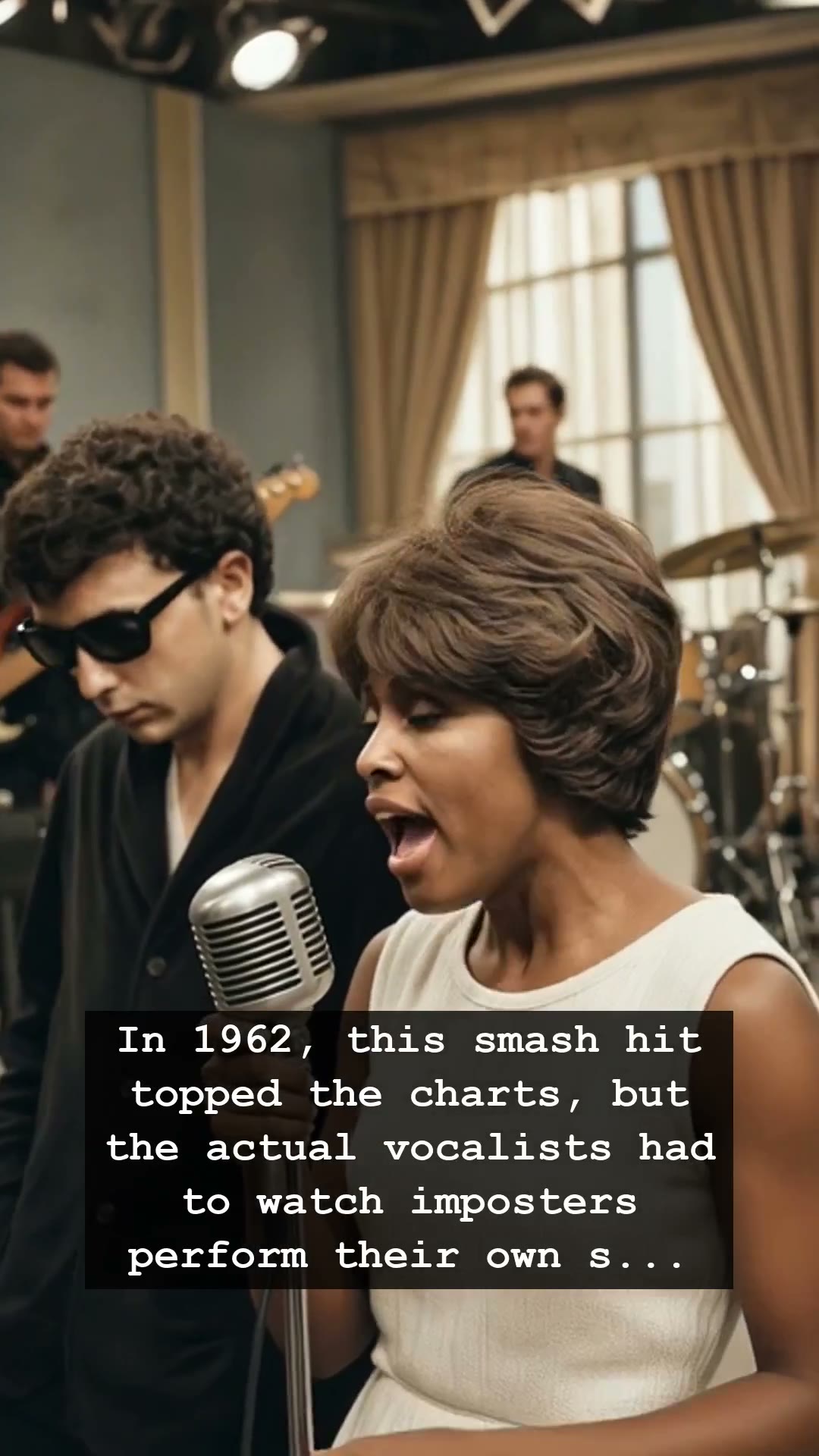
Imagine sitting in your living room in 1962, the glow of the television illuminating your face, waiting to see your favorite stars perform the song that has been glued to the top of the radio charts. You hear the opening notes of a smash hit, your heart swells, and then you see them—a group of performers on stage lip-syncing perfectly to a track you poured your soul into recording. For Darlene Love, this was not a rare nightmare, but a recurring reality of life under the iron grip of producer Phil Spector. While the public fell in love with The Crystals, the true voice behind those iconic tracks remained a ghost, hidden in the shadows of a music industry that valued image over the human spirit.
During the golden era of the early sixties, the music landscape was defined by the magic of the jukebox and the glossy, high-production sound of the Wall of Sound. Darlene Love, with her powerful, emotive voice, was the secret engine driving many of these massive hits. Yet, she was often relegated to the role of an uncredited session singer, or worse, forced to watch as other women took the stage to claim credit for her labor. It was a time of immense cultural shift, but for women like Darlene Love, the studio was both a sanctuary and a cage. The industry was a male-dominated machine, and the drama behind the scenes was as intense and volatile as the music itself.
This specific brand of exploitation was common in the gritty corners of the music business, where contracts were predatory and creative theft was normalized. Darlene Love eventually became the face of a forgotten truth, fighting for her name and her royalties in a battle that spanned decades. The pain of watching strangers perform her songs on national television was a betrayal that would have shattered a lesser artist. Yet, her resilience became her greatest asset, fueling a career that transcended the manipulation of the era. She did not just survive; she persisted, eventually emerging from the wreckage of the Wall of Sound to claim her rightful place in rock and roll history.
Looking back at that era through the lens of history, we see the stark contrast between the glitter of the public image and the grueling reality of the studio. While listeners were lost in the magic of the melodies, the people who actually crafted the sound were fighting for basic recognition. The story of Darlene Love reminds us that every classic hit carries a weight of untold struggle, long nights of sacrifice, and the quiet resilience of those who refused to be silenced by the fame of others.
Today, the legacy of Darlene Love serves as a powerful testament to the importance of artistic integrity. When you hear those tracks now, you are not just hearing a product of the early sixties; you are hearing the voice of a woman who clawed her way out of the shadows. As we look back with nostalgia, we must also look with clarity, honoring the individuals whose talent shaped our collective memories. The next time you spin a vintage record, listen closely for the strength, the passion, and the undeniable truth behind the voice that defined a generation.