
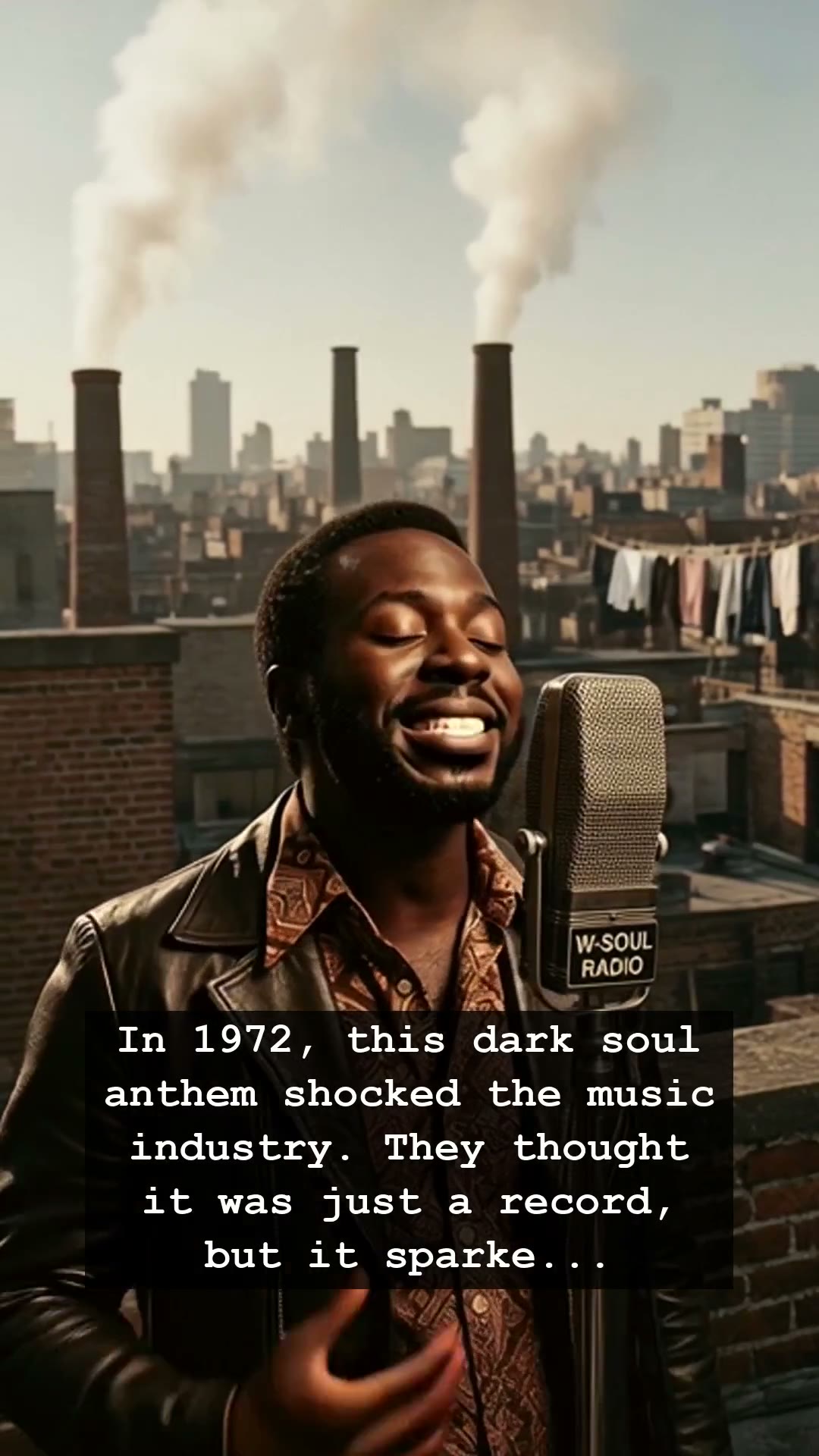
The year was 1972, a time when the Jukebox was the heartbeat of every neighborhood tavern, and the air was thick with the scent of vinyl and the shifting tides of American culture. While disco was beginning to glimmer on the horizon, one man stood in the shadows of the recording studio, preparing to unleash a sound that would rattle the very foundations of the music industry. That man was Curtis Mayfield, and the song was Superfly, a track so raw and unflinching that it sent record executives into a frantic state of alarm. They wanted catchy hooks and danceable beats, but Curtis Mayfield delivered a haunting, cinematic exploration of the urban drug trade that felt less like a song and more like a warning shot fired across the bow of a nation in crisis.
At the time, the soul music scene was often defined by lush arrangements and romantic ballads. However, Curtis Mayfield was never interested in just making people dance. He was a social chronicler, a poet of the pavement who used his falsetto to cut through the noise of the Vietnam era and the mounting despair of inner-city life. When he stepped into the studio to record the soundtrack for the film of the same name, he did something unprecedented. He didn’t just write a score; he created a narrative of survival, exploitation, and the dark magnetism of the street lifestyle. His guitar work, characterized by those sharp, funky, and insistent riffs, served as the pulse for a generation grappling with the systemic rot that others chose to ignore.
Music history often forgets that record labels were terrified of this release. They feared that by exposing the grim realities of the drug culture, Curtis Mayfield would alienate the radio stations and the suburban audiences that kept the industry profitable. They were wrong. Instead of a commercial disaster, the anthem became a cultural touchstone. It didn’t just climb the charts; it ignited a movement. People weren’t just listening to the groove; they were listening to the truth woven into the lyrics. Curtis Mayfield managed to make the uncomfortable impossible to look away from, proving that soul music could be both deeply rhythmic and profoundly political.
Looking back from our modern era, the legacy of Curtis Mayfield remains untouchable. His ability to blend the smooth, melodic sensibilities of the soul genre with the gritty, jagged edges of social commentary is a masterclass in artistic integrity. He navigated the pressures of fame, the weight of his own growing influence, and the treacherous waters of a record industry that often prioritized profit over substance. Even when the glitz of the era began to fade and the sounds of the eighties took over, the echoes of his 1972 masterpiece remained a haunting fixture in the musical canon.
Today, we look back at the era of the soul pioneers with a sense of bittersweet longing for a time when music felt like a revolution. Curtis Mayfield was the architect of that sound, a man who saw the darkness, accepted it, and turned it into a groove that demanded you pay attention. His story is a testament to the fact that true art never settles for the easy path; it forces us to confront our reflection in the mirror. As you listen to the rhythmic pulse of those iconic tracks today, remember that you are hearing the voice of a man who changed the world one note at a time.