
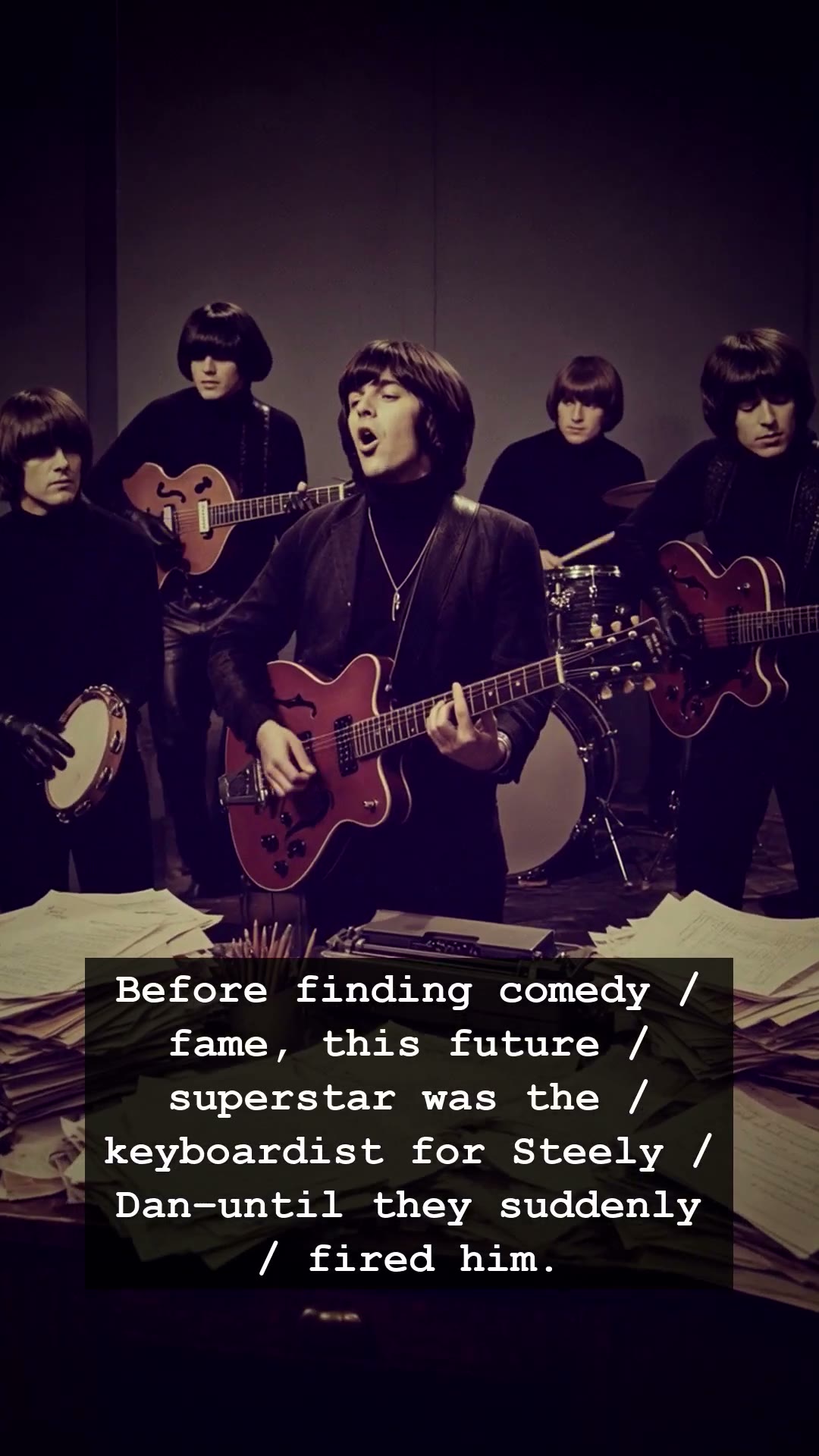
In the hazy, neon-drenched air of the early 1970s, long before he became a household name synonymous with Saturday Night Live and cinematic slapstick, a young Chevy Chase was navigating a very different kind of stage. Behind the velvet curtains of the recording studio and under the harsh flicker of television lights, Chase was not delivering punchlines; he was pouring his soul into the intricate, jazz-inflected keyboard arrangements of one of the most sophisticated bands in American history: Steely Dan. It is a surreal image, yet it remains one of the most fascinating footnotes in the annals of classic rock history.
At the time, Steely Dan was still finding its footing, brewing a potent mix of rock, jazz, and cynical lyricism that would eventually define a decade. Chevy Chase, who possessed a legitimate and sharp musical talent, was there at the very inception. He wasn’t just a casual bystander; he was an integral part of their original sound. He even contributed to the early demos of what would eventually become one of their greatest, most enduring anthems. For a brief moment, it seemed like a match made in musical heaven, a collision of intellect and melody that could have changed the trajectory of his career entirely.
However, the dream was cut short with a cold, professional abruptness. As the story goes, the perfectionists behind Steely Dan—Donald Fagen and Walter Becker—were notoriously difficult taskmasters. Their obsession with studio precision left little room for error or, perhaps, the burgeoning comedic ego of their keyboardist. Chevy Chase was fired, sent away from the studio and into the uncertain void of a creative career without a clear path forward. It was a rejection that stung, yet it became the catalyst that pushed him away from the piano bench and toward the improv stage where his true destiny lay.
Looking back from the vantage point of the present, the irony is delicious. Millions of fans have spent decades laughing at his iconic performances on the big screen, completely unaware that he once shared a stage with the titans of sophisticated rock. This hidden chapter offers a rare glimpse into the sheer versatility of 1970s artistic culture, where a man could be a jazz-trained keyboardist in a legendary band in the morning and a pioneer of television comedy by night. It reminds us that behind every polished superstar lies a path littered with discarded dreams and surprising twists of fate.
Today, when we spin a vintage Steely Dan record, we are transported back to a time of analog warmth and complex arrangements. We think of the studio smoke, the golden age of vinyl, and the relentless pursuit of perfection. Chevy Chase eventually found his stage, but that brief, shimmering connection to the golden era of rock remains a testament to the unpredictable nature of fame. Sometimes, the most important doors in life are the ones that slam shut, forcing us to discover the stage where we were truly meant to shine.