
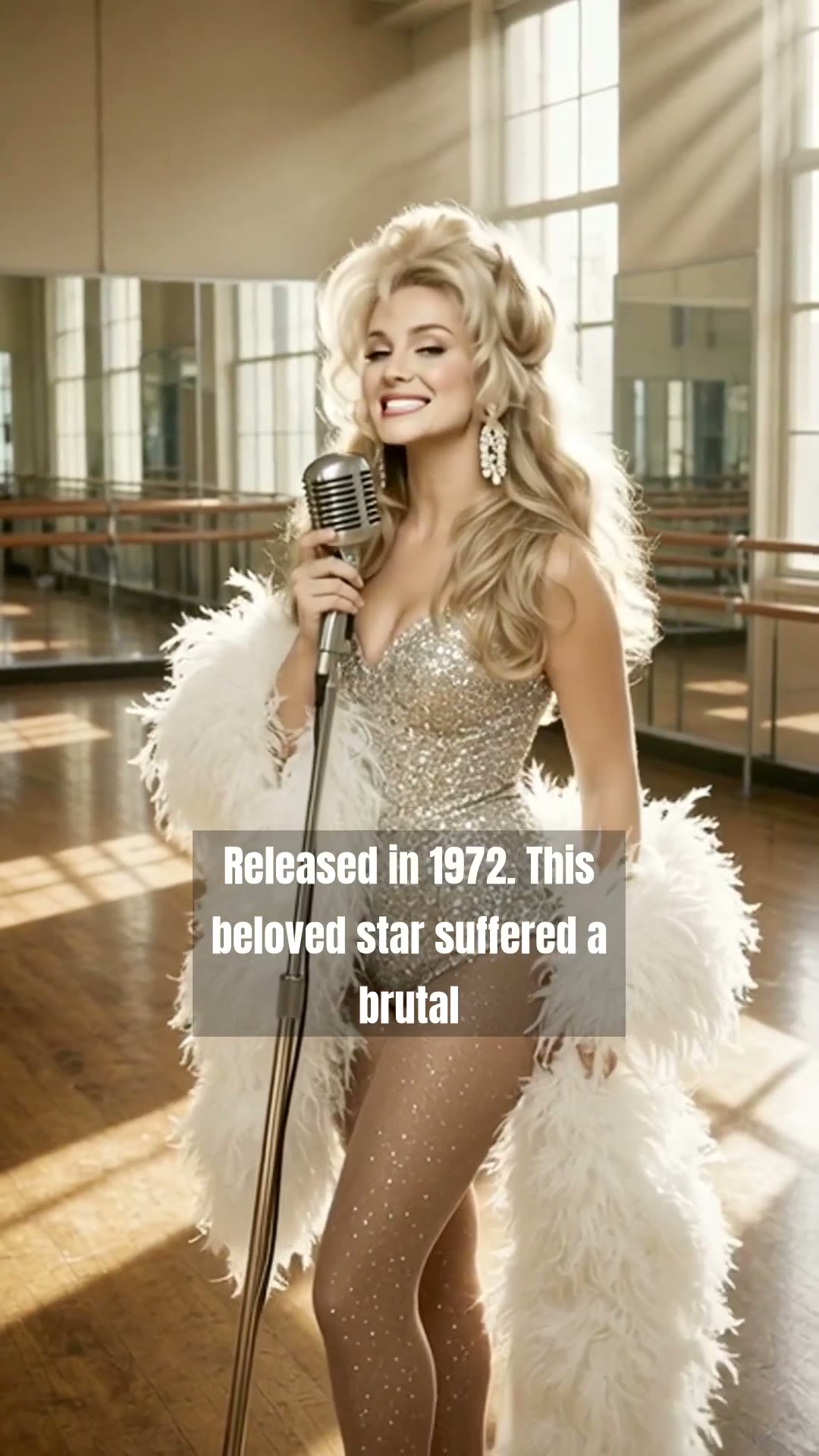
There is a specific kind of magic inherent in the Golden Age of Hollywood, a period where stars felt both larger than life and deeply human. Among the brightest luminaries of this era, Ann-Margret stood as a singular force—a triple threat of singer, dancer, and actress whose magnetic energy defined the screen. Yet, behind the glitz of the Walk of Fame and the flashing bulbs of Oscar night, there is a harrowing story of survival that tested the very limits of her spirit. It is a tale that reminds us why we continue to look back at these legends with such profound respect and unwavering admiration.
In September 1972, the world of entertainment held its breath. During a performance in Lake Tahoe, Ann-Margret suffered a catastrophic accident, plummeting twenty-two feet from a stage structure onto the concrete floor. The injuries were severe, leaving her with a broken arm, a shattered jaw, and a fractured cheekbone. For a performer whose livelihood depended on her physicality and her radiant presence, the prognosis felt like an ending. The press whispered that the damage was too great, and for many, it seemed the curtain had permanently fallen on a career that had lit up the sixties.
But Ann-Margret was never one to be defined by her obstacles. While the public feared the worst, she began a grueling journey of rehabilitation. Her recovery was not merely a physical battle but a testament to the iron will often found in those who truly live for their craft. Just ten weeks after the fall, she made her return, her jaw wired shut but her spirit entirely intact. She stepped back into the spotlight with a vulnerability that transformed her from a beloved star into an icon of human resilience, proving that the true substance of a performer is revealed in how they rise after a fall.
This era of cinema was defined by the raw, gritty truth of Method Acting and a devotion to the art form that went beyond mere celebrity. Ann-Margret exemplified this dedication, eventually earning critical acclaim for her dramatic turn in Tommy, which secured her an Academy Award nomination. She transitioned seamlessly from the vibrant, high-energy films of the mid-century to complex, emotionally resonant roles that demanded everything from her. Watching her on a flickering VHS tape today, one can still feel that spark of defiance and the grace with which she handled both fame and tragedy.
Her story remains a cornerstone of Hollywood lore because it speaks to the enduring nature of human potential. When we revisit the films of the 1970s, we are not just watching performances; we are watching a woman who refused to let gravity—or misfortune—extinguish her light. Her legacy continues to resonate with generations who understand that behind every iconic frame, there is a heartbeat of authentic courage. As we look back on the silver screen of the past, let us remember Ann-Margret not just for her beauty or her talent, but for the remarkable strength that kept her center stage, right where she belongs.