
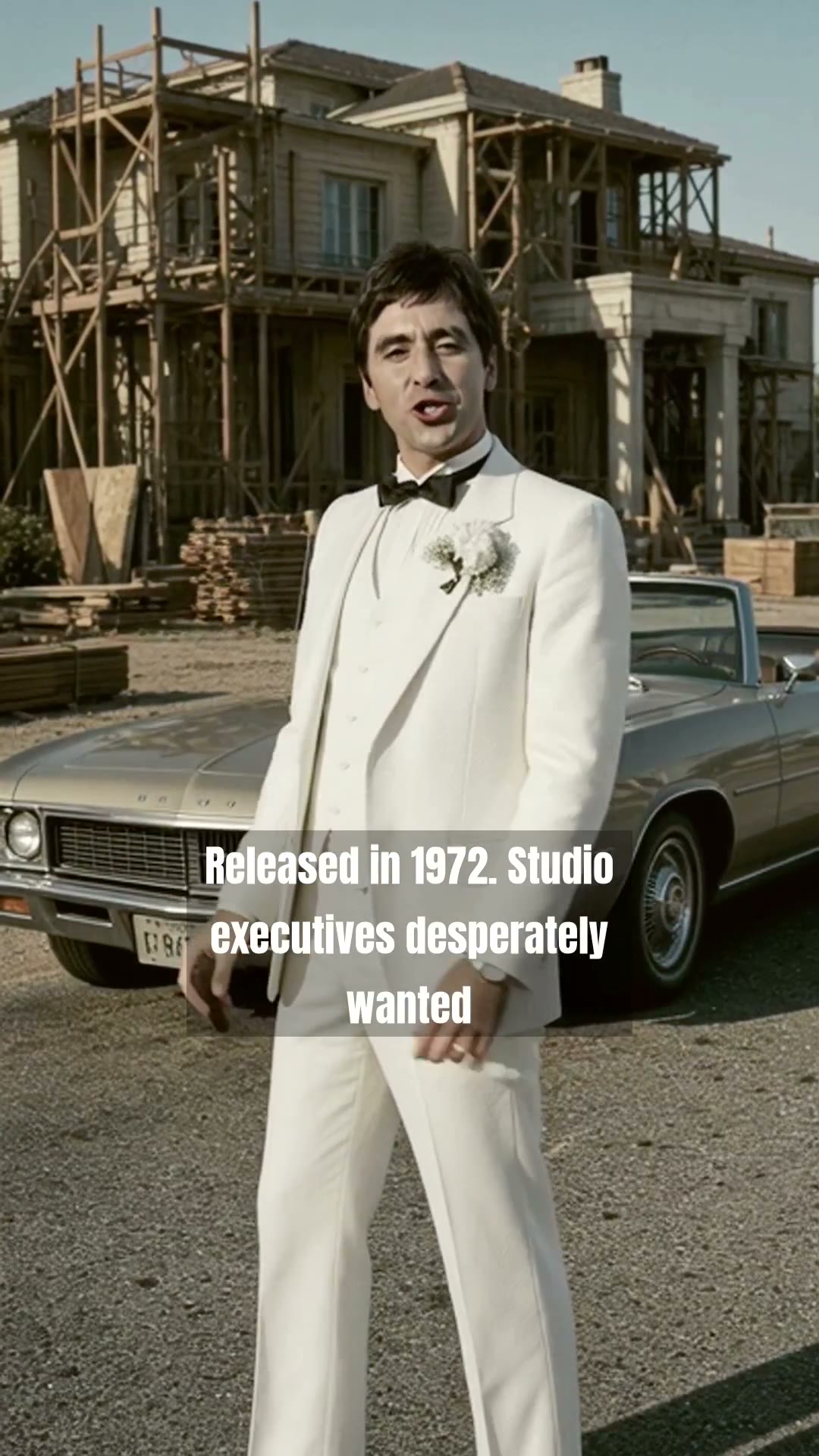
The year was 1972, a time when the silver screen felt larger than life and moviegoers queued for hours in front of local theaters just to catch a glimpse of the latest blockbuster. It was the era of the VHS tape revolution just around the corner, a period where Hollywood was transitioning from the polished Golden Age to the grit of New Hollywood. Amidst this cinematic shift, one film arrived to forever change our understanding of storytelling: The Godfather. But the real story lies in the man who almost never stepped into the shoes of Michael Corleone, an unknown actor at the time whose name would soon become synonymous with cinematic excellence: Al Pacino.
Studio executives were famously skeptical when casting for the epic crime drama. They had their hearts set on polished, established stars like Robert Redford. They simply could not envision Al Pacino, with his quiet intensity and brooding gaze, carrying the weight of such a complex, transformative role. Yet, director Francis Ford Coppola saw something different. He recognized a raw, untamed talent in the young actor, a willingness to dive deep into the psyche of a character that only a true master of Method Acting could achieve. Al Pacino didn’t just play Michael Corleone; he became him, slowly shedding his soul to mirror the tragic arc of a man falling from grace.
Watching Al Pacino navigate the moral descent of the Corleone family remains a masterclass in subtlety. There are no grand gestures, just the flicker of eyes and the coldness of a voice that speaks volumes. This was the pinnacle of Method Acting, a technique that demanded complete psychological immersion. It was a departure from the traditional leading men of the past, marking a moment where vulnerability became the most powerful weapon on screen. For those of us who grew up during this golden era of film, seeing Al Pacino command the frame in that iconic suit is a memory etched in time, reminding us of a period when actors were truly measured by their craft and commitment.
The cultural impact was instantaneous and profound. The film didn’t just win big on Oscar night; it defined an entire generation’s perception of the American dream and the darkness that often follows it. Al Pacino became the face of a movement, proving that an outsider could hold the industry’s attention without compromise. His performance stands as a testament to the idea that perseverance and artistic integrity can defy even the most rigid studio expectations. It changed the landscape of Hollywood, paving the way for the nuanced, character-driven films that we cherish to this day.
As we look back at our well-worn VHS collections or revisit these classics on the silver screen, the presence of Al Pacino serves as a nostalgic anchor. He remains a pillar of a bygone era, a reminder of the raw, human stories that once captivated the world. Whether he is whispering lines that would become legendary or sitting in silent, thoughtful contemplation, his work continues to resonate. It is more than just a movie; it is the enduring legacy of a legend who taught us that the most powerful performances are often the ones felt in the quietest, darkest corners of the heart.