
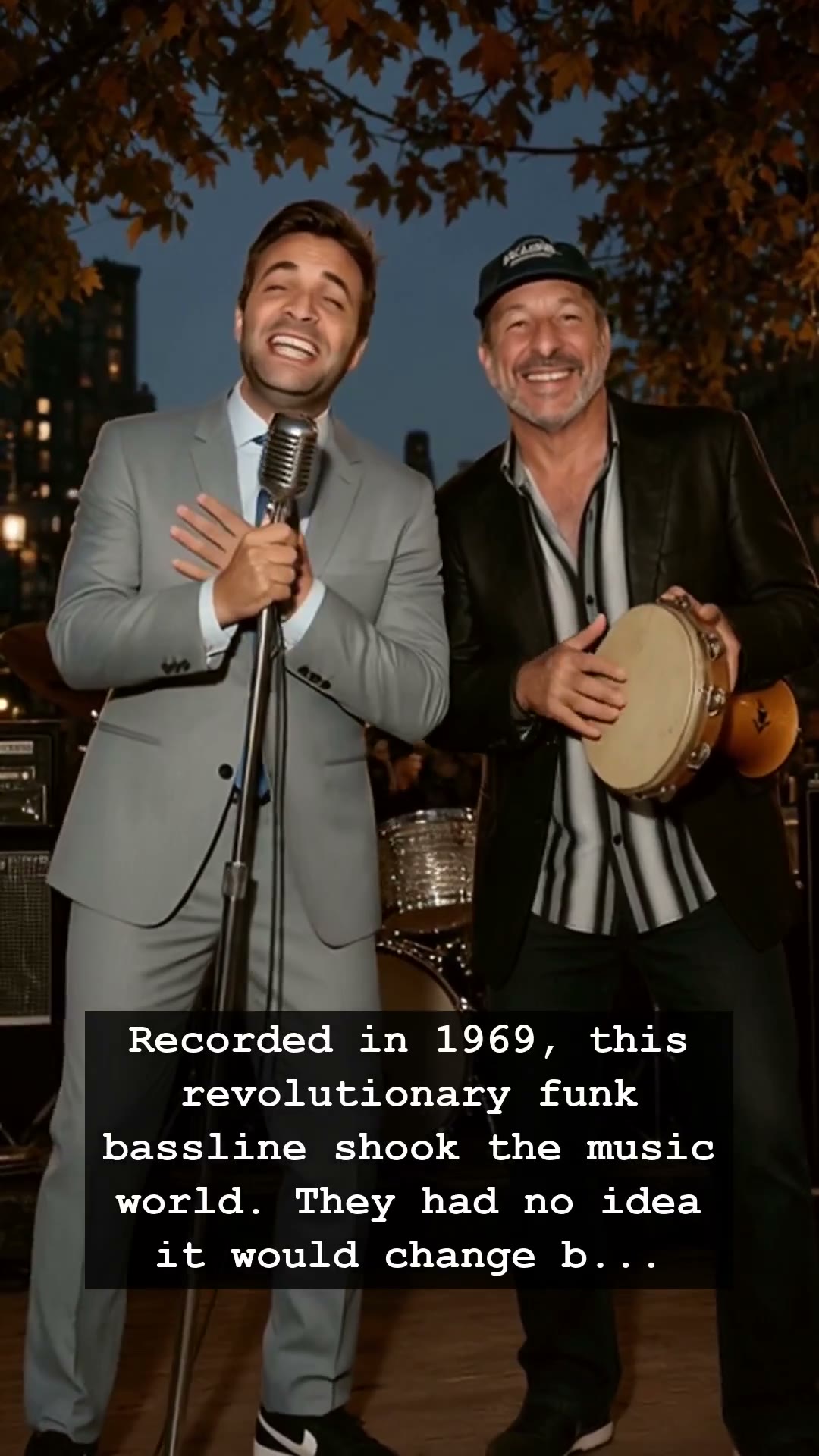
In the sweltering heat of 1969, inside a smoke-filled recording studio, a sound emerged that defied everything the radio had been playing. It was a rhythmic, thumb-slapping pulse—a heavy, thumping groove that seemed to vibrate through the very floorboards. At the time, music executives were scratching their heads, unsure if this raw, experimental funk would resonate with the mainstream. They had no idea that they were witnessing the birth of a revolution. That bassline, conjured by the brilliant minds behind Sly and the Family Stone, would soon anchor a new era of music and forever change how the bass guitar was played.
Sly and the Family Stone were never just a band; they were a cultural explosion. Led by the enigmatic Sly Stone, the group was a melting pot of race, gender, and genre, smashing the rigid boundaries of the late sixties. While the world was reeling from the turbulence of the Woodstock generation and the shifting tides of the Vietnam era, this collective was crafting a sonic landscape that blended soul, rock, and gospel into something entirely new. Their music was the heartbeat of a shifting society, moving from the psychedelic haze of the Summer of Love toward the grit and groove of the oncoming decade.
The secret weapon behind their signature sound was the revolutionary use of the bass. Before Sly and the Family Stone redefined the instrument, the bass was largely relegated to the background, acting as a mere metronome for the rest of the band. But this group stripped away the ornamental fluff, focusing on a deep, percussive intensity that demanded attention. It was a slap-and-pop technique that turned the bass into a lead instrument, a driving force that forced every listener to move their feet. It was gritty, it was unapologetic, and it was undeniably cool.
Yet, beneath the infectious rhythm and the high-energy performances, there was a darker narrative unfolding. The sheer pressure of fame and the grueling cycles of the industry began to pull at the fabric of the family unit. Like many legends of that era, the band faced the suffocating weight of expectations, internal friction, and the seductive, destructive allure of the lifestyle that followed them from the stage to the private hotel suites. The tension between the band members became as legendary as their music, turning their internal drama into a Shakespearean tragedy played out in real-time for the press to dissect.
Despite the eventual fracturing of the group, their impact remains etched into the bedrock of modern music. Every time you hear a funk-inspired bassline on the radio today, you are listening to the echoes of that 1969 studio session. Sly and the Family Stone didn’t just write songs; they constructed a blueprint for the future of funk and R&B. They proved that with enough innovation and a little bit of chaos, a single bassline could shake the foundations of the world. Do you remember the first time that heavy groove caught your ear and refused to let go?