
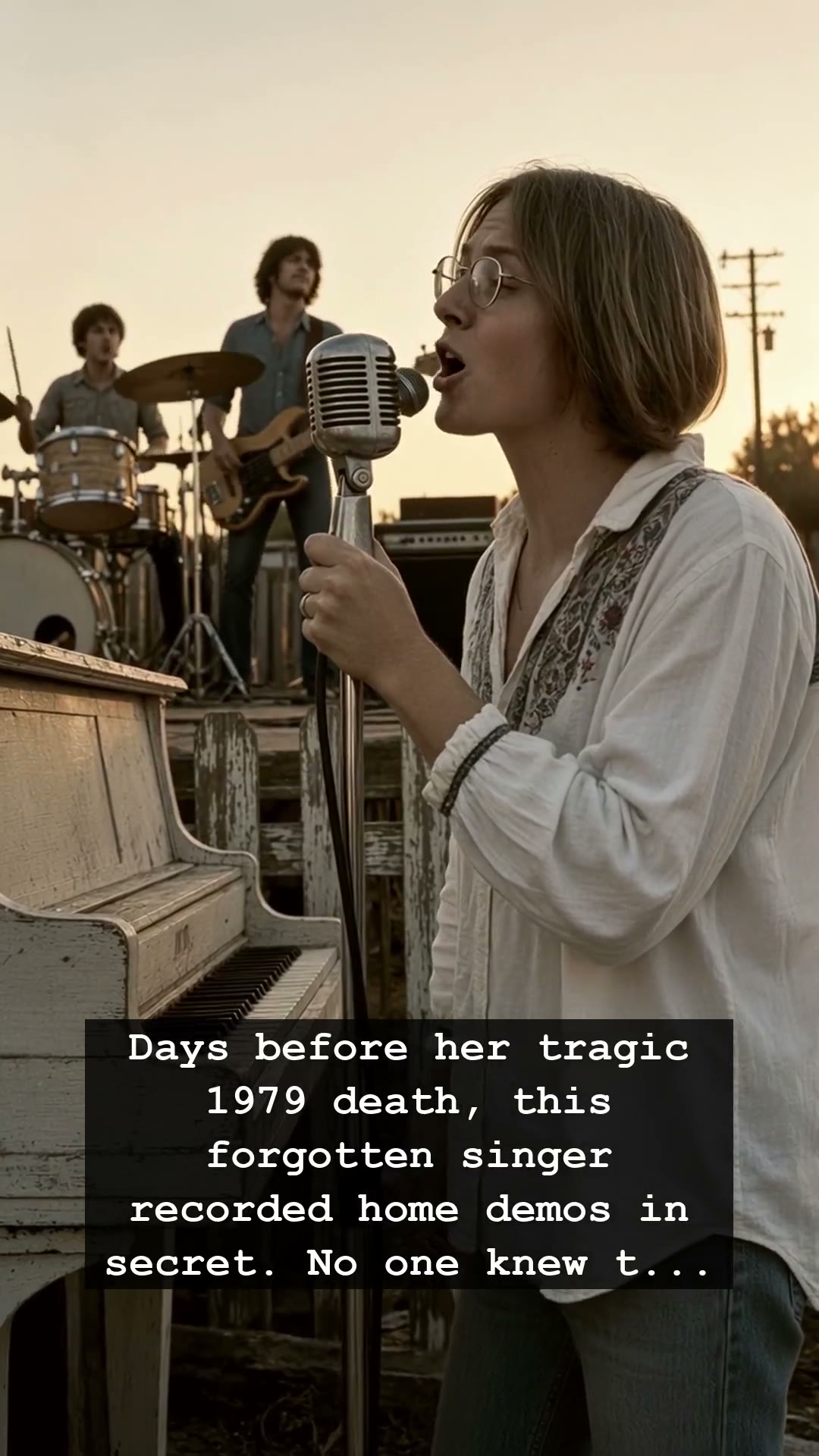
In the hazy, drug-fueled twilight of 1979 Los Angeles, the world of music was turning its back on the introspective folk artists who once defined the late sixties. Among those fading into the shadows was Judee Sill, a songwriter of singular, haunting brilliance whose career had been derailed by personal demons and a crumbling industry. Just three days before her tragic death from a drug overdose, Judee Sill sat in the solitude of her living room, recording raw, intimate home demos that were never intended for the public eye. For decades, these tapes remained lost in the wreckage of her turbulent life, a silent testament to a genius who felt entirely out of place in the dawn of the synthetic pop era.
To understand the gravity of these final recordings, one must remember the landscape of the late seventies. While the disco lights of Studio 54 were burning bright and the corporate machinery of arena rock was beginning to homogenize the airwaves, Judee Sill was an outlier. She possessed a rare, devotional style of songwriting that blended sacred hymns with the grit of outlaw country. She was a woman who had navigated the darkest corners of the underground, having served time for armed robbery before finding solace in music. Yet, as the decade neared its close, she found herself increasingly isolated, a ghost haunting a city that was rapidly moving toward the glossy, hollow aesthetic of the early eighties.
These final home demos are striking not just for their melody, but for their raw, unvarnished vulnerability. Listening to them now feels like trespassing into a private confessional. The tapes capture Judee Sill in her most stripped-down form, her voice cracking under the weight of a life lived at the jagged edges of survival. It is a stark contrast to the polished, multi-tracked records that defined the era, reminding us that even as the Walkman began to change how we consumed music, the power of a single, honest human voice remained unparalleled. These songs reveal a woman desperately trying to anchor herself to her art, even as her personal stability slipped away.
Her story is a painful reminder of the collateral damage left behind by the music industry during this chaotic transition. Behind the glamour of iconic venues and the surge of new technology, talents like Judee Sill were often discarded when they no longer fit the commercial narrative. Her tragic passing was a quiet news item, overshadowed by the louder, more explosive shifts in the cultural zeitgeist. Yet, the recent rediscovery of her final work has sparked a long-overdue appreciation for her unique, mystical perspective on the American songwriting tradition.
Today, Judee Sill remains a legend among the musical misfits, a cautionary tale of talent eclipsed by trauma and societal change. Her music invites us to look beyond the hits of the era and explore the beauty found in the wreckage of broken dreams. As you revisit the sounds of the late seventies, take a moment to listen to her final notes. They are not merely records of a lost soul; they are the enduring echoes of a visionary whose light refused to be completely extinguished by time.