
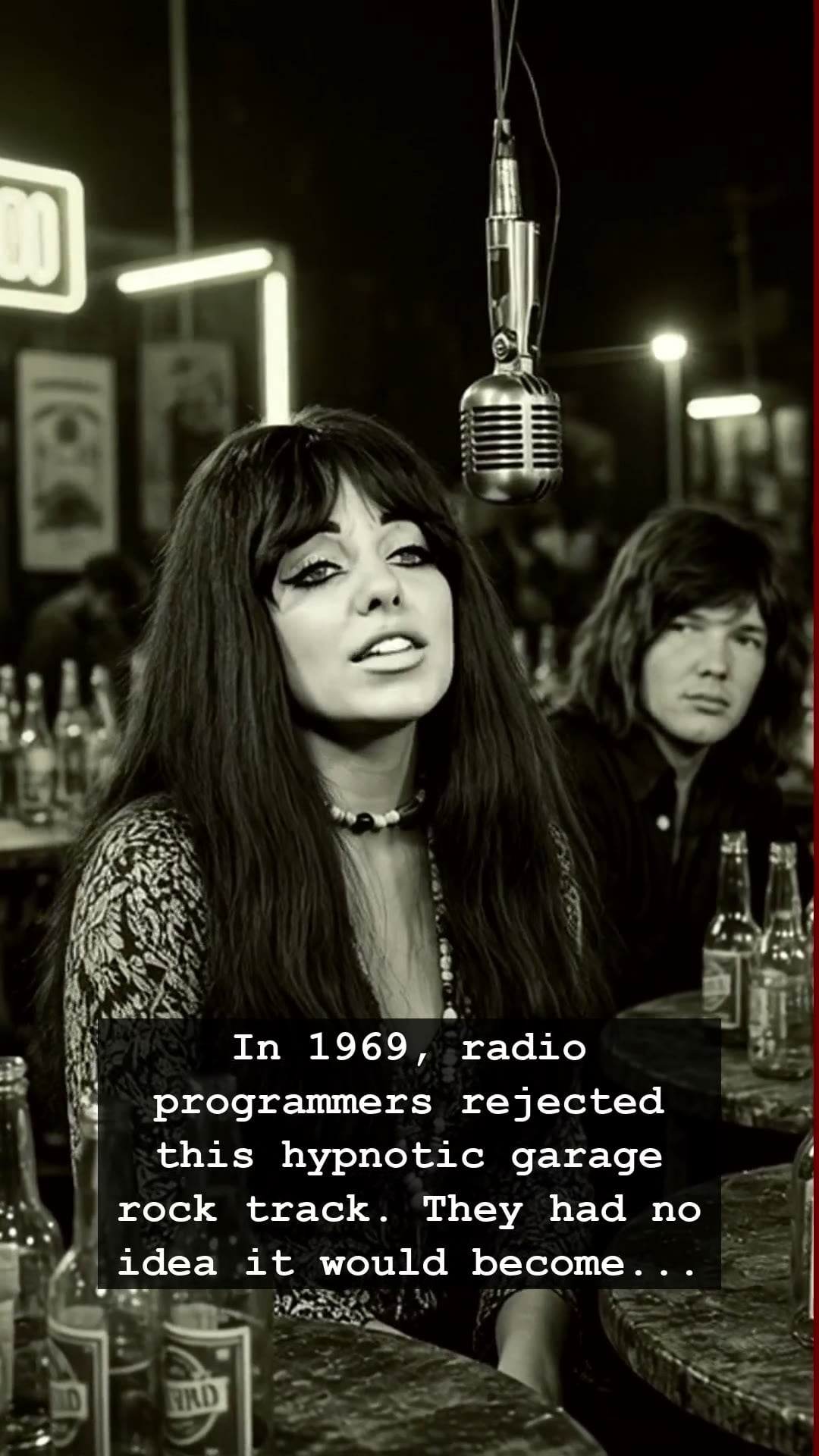
In the sweltering heat of the 1969 music landscape, radio stations were obsessed with the polished sounds of pop and the emerging mainstream rock giants. Amidst this stiff atmosphere, a hypnotic, garage-rock track with a strangely persistent, sitar-like guitar riff was met with a cold shoulder by program directors. They deemed it too raw, too Eastern-influenced, and altogether too peculiar for the ears of the late-sixties public. Little did these gatekeepers know, they were turning their backs on a song that would soon define an entire subculture and become an indelible underground psychedelic anthem. This is the defiant tale of Shocking Blue and their legendary track, Venus.
Before the name Shocking Blue became synonymous with chart-topping success, the band was just a collection of ambitious musicians hailing from the Netherlands. Led by the magnetic presence of Mariska Veres, whose haunting, dark-eyed gaze and powerful vocals gave the group an edge that few could replicate, they were carving out a niche in the gritty, smoke-filled clubs of Europe. While American listeners were busy mourning the end of the Woodstock era and navigating the turbulent shift toward the heavy, arena-sized sounds of the seventies, Shocking Blue was perfecting a sound that felt like it had been pulled directly from a dream state, blending surf rock energy with the mystery of exotic scales.
The recording of Venus was not born out of meticulous commercial calculation, but out of a sudden, lightning-in-a-bottle moment of sonic exploration. The signature riff, which mimics the drone and pluck of a sitar, was an unconventional choice that defied the standard blues-rock structure of the time. When the band brought the track to labels, they encountered significant skepticism. The music industry in 1969 was a fickle machine; if a song didn’t fit neatly into the radio-friendly rotation of the era’s emerging formats, it was often dismissed as a failed experiment. Shocking Blue had created something that felt inherently dangerous to the status quo, a quality that ironically became its greatest strength once it hit the streets.
As the song began to circulate, it bypassed the traditional barriers of mainstream radio, finding its way into the hands of counter-culture DJs and jukebox enthusiasts who weren’t afraid to play something that challenged the listener. It became a staple in the psychedelic underground, a track that felt both ancient and futuristic. It was the sound of a changing world, one where the rigid lines of musical genres were beginning to blur under the influence of global artistic fusion. For those who carried their music on portable players or heard it echo off the walls of late-night dives, Venus was more than just a melody; it was a defiant statement that the best music wasn’t always what the labels decided to sell us.
Today, when that iconic opening riff rings out, it transports us back to a time when vinyl was king and the airwaves held the thrill of discovery. The story of Shocking Blue reminds us that genius is often found in the places the mainstream refuses to look. Their legacy is a testament to the idea that true art doesn’t need permission to reach its audience. Even decades later, the hypnotic vibration of their most famous work remains a powerful bridge to a lost era, inviting us all to step back into the neon-hazed, guitar-drenched wonder of the late sixties. Do you remember where you were when you first felt the spell of Venus take hold?