
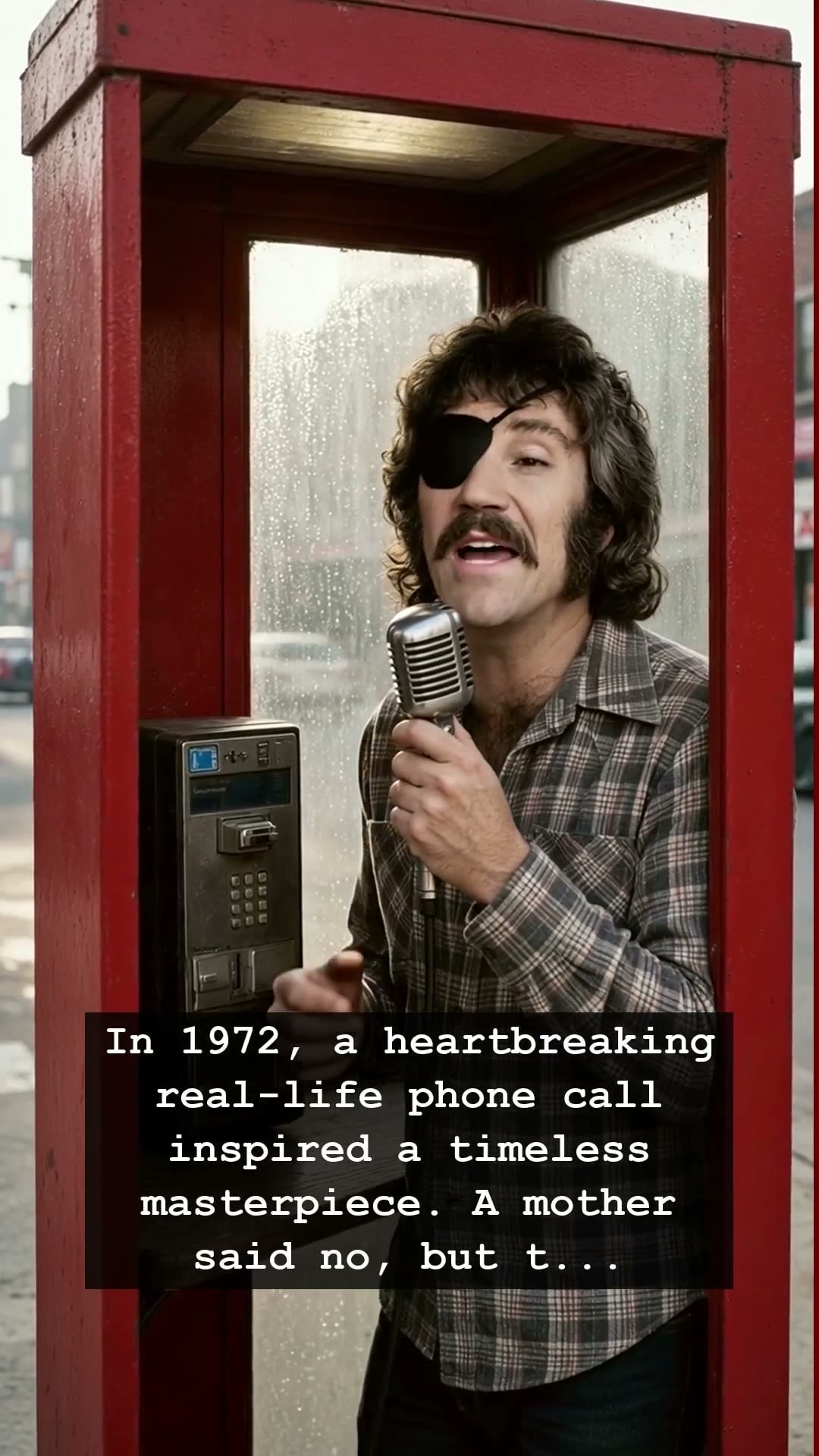
In the golden era of the early 1970s, before the digital age erased the intimacy of a ringing telephone, a single line could define a life. It was 1972, and the airwaves were humming with a specific kind of storytelling music—songs that felt less like pop tracks and more like chapters from a diary. Among the poets of this sound was Shel Silverstein, an eccentric genius known for his whimsical books but also for a darker, sharper musical tongue. He was the mastermind behind the band Dr. Hook & the Medicine Show, a group that captured the grit and humor of American life. Yet, amidst their rebellious spirit, one song emerged from a place of raw, unadorned heartbreak: Sylvia’s Mother.
The story behind the hit is as visceral as the lyrics themselves. The inspiration wasn’t a product of a songwriting retreat or a studio brainstorm; it was a real-life, agonizing phone call Shel Silverstein experienced. He had fallen for a woman named Sylvia, and in a moment of desperate vulnerability, he found himself on a payphone, trying to plead his case to her mother. The mother, acting as the cold gatekeeper of a romance she didn’t approve of, delivered a final, crushing blow: she refused to let him speak to her daughter. The rejection was swift, absolute, and painfully mundane. Instead of letting the anger fester, Silverstein channeled that specific, suffocating feeling of helplessness into a melody that would soon echo from every Jukebox in America.
When Dr. Hook released the track, it didn’t just climb the charts; it pierced the cultural consciousness. Dennis Locorriere’s trembling, soulful delivery perfectly captured the desperation of a man begging for one last chance while the operator counted down the remaining time. It was a masterpiece of domestic drama, turning a personal failure into a universal anthem for anyone who has ever had a door slammed in their face. It resonated with a generation that understood the weight of long-distance calls and the finality of a hung-up receiver before the age of instant messaging made us so unreachable.
Looking back at the music scene of 1972, Sylvia’s Mother stands out as a relic of a more tactile time. It was the era of flared jeans, analog synthesizers, and the slow climb of singer-songwriter storytelling. Shel Silverstein’s ability to take the tragedy of an unrequited love affair and turn it into a commercial sensation showcased his brilliant, if slightly twisted, understanding of the human condition. The song remains a testament to how the most profound art is often born from the most uncomfortable, private moments of our lives.
Today, the song continues to find new listeners, proving that emotional truth is timeless. Whether you recall the crackle of the radio playing it for the first time or you are discovering the tragedy of that phone call now, the impact remains the same. It serves as a reminder that behind every great hit of the 70s lies a story—one that often feels like a secret being whispered across the decades. Next time you hear those opening notes, remember the man in the booth, the mother who said no, and the song that turned heartbreak into history.