
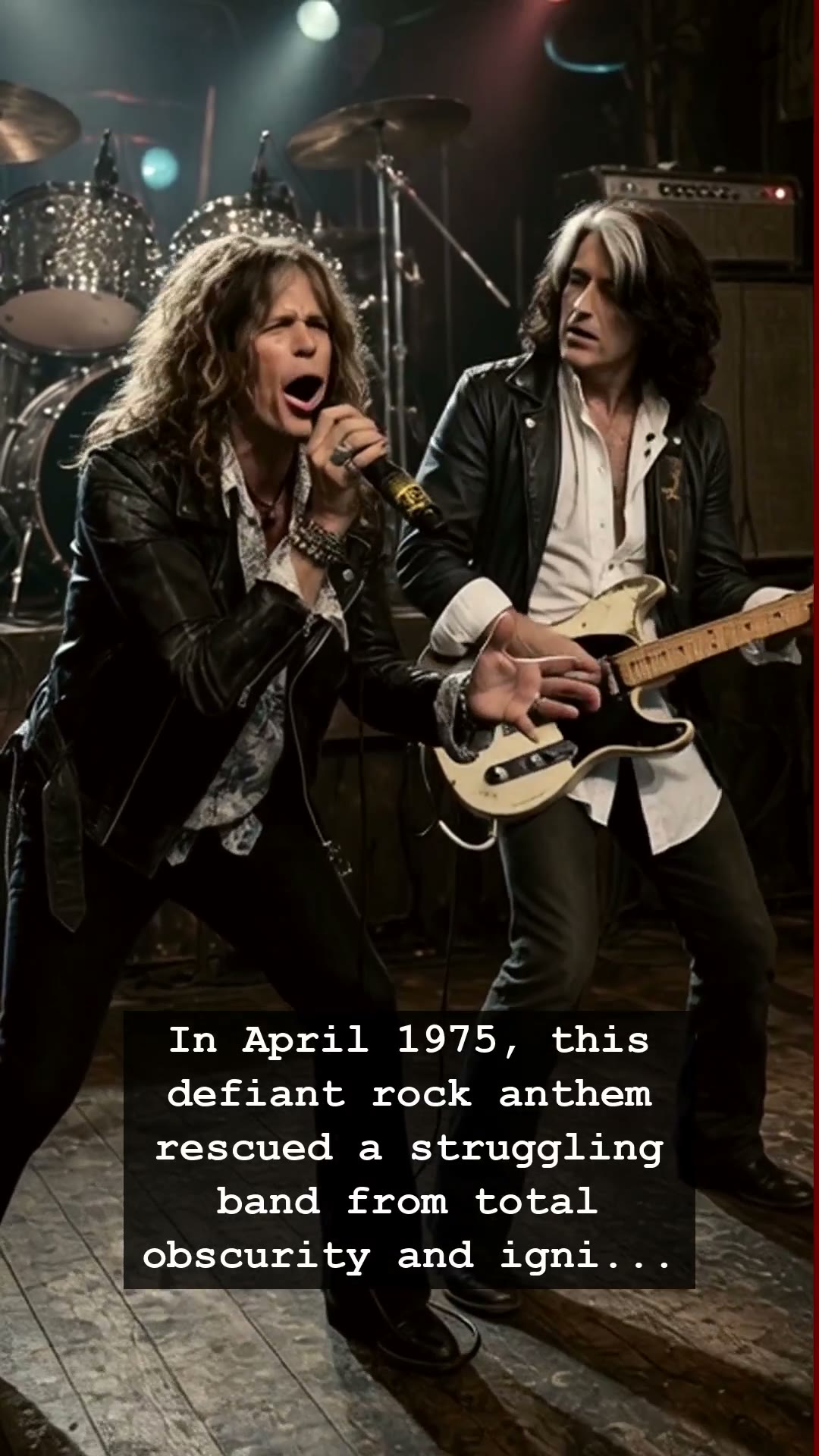
In the spring of 1975, the American rock landscape was shifting beneath the feet of every band clawing for a foothold. For Aerosmith, the stakes had never been higher. They were a gritty, Boston-bred outfit teetering on the edge of irrelevance, burdened by record label pressure and a sound that many critics dismissed as a mere derivative of the Rolling Stones. Their first two albums had failed to ignite a national fire, and the band was staring down the barrel of an early retirement. But then came April 1975, and with it, a sonic lifeline that would redefine their legacy forever: Sweet Emotion.
This wasn’t just another track on the radio; it was a defiant manifesto. The opening notes, featuring that iconic, hypnotic bass line from Tom Hamilton and Joe Perry’s talk-box guitar mastery, cut through the static of the era like a jagged blade. It was a song born from the tension simmering within the studio, fueled by the strained relationships between band members and their internal friction with then-manager Steve Leber. When Steven Tyler screamed those opening lyrics, he wasn’t just singing a melody; he was purging the frustration of a group that refused to be silenced by the industry gatekeepers.
To understand the impact of Sweet Emotion, you have to transport yourself back to the mid-seventies, a time when FM radio was the pulse of the nation and the Jukebox was the centerpiece of every dimly lit tavern. While disco was beginning to tighten its grip on the dance floors of Studio 54, Aerosmith brought a raw, street-level energy that spoke to the disillusioned youth. This anthem transformed the band from a regional curiosity into a national powerhouse, climbing the Billboard charts and forcing critics to finally acknowledge their undeniable, blues-drenched charisma.
Behind the success of the track, however, lay the darker realities of the rock and roll lifestyle. The relentless touring and the sudden influx of fame brought heavy burdens. The recording sessions for the album Toys in the Attic were marked by the volatile mix of ego, substance, and ambition that would eventually define the Aerosmith mythos. Despite the chaos, the music served as an emotional anchor, proving that their collective talent could transcend the personal rifts that threatened to tear them apart at every turn.
Today, decades after its explosive debut, Sweet Emotion remains a cultural touchstone that captures the very essence of the seventies. It is a reminder of a time when rock music was dangerous, unpredictable, and entirely unfiltered. Even as the industry evolved from the warmth of vinyl to the digital age, the song retains its gritty, magnetic appeal. It stands as a testament to the fact that when a band is pushed against the wall, the music they produce in that moment of desperation often becomes the legend that survives long after the lights go down.
So, as you spin that record or catch the riff on a classic rock station, remember that Aerosmith didn’t just record a song in 1975; they orchestrated their own resurrection. Their story is a powerful reflection of the highs and lows of the American dream, etched into the grooves of our favorite records. What other tracks from that golden era of rock still echo through your memories today?