
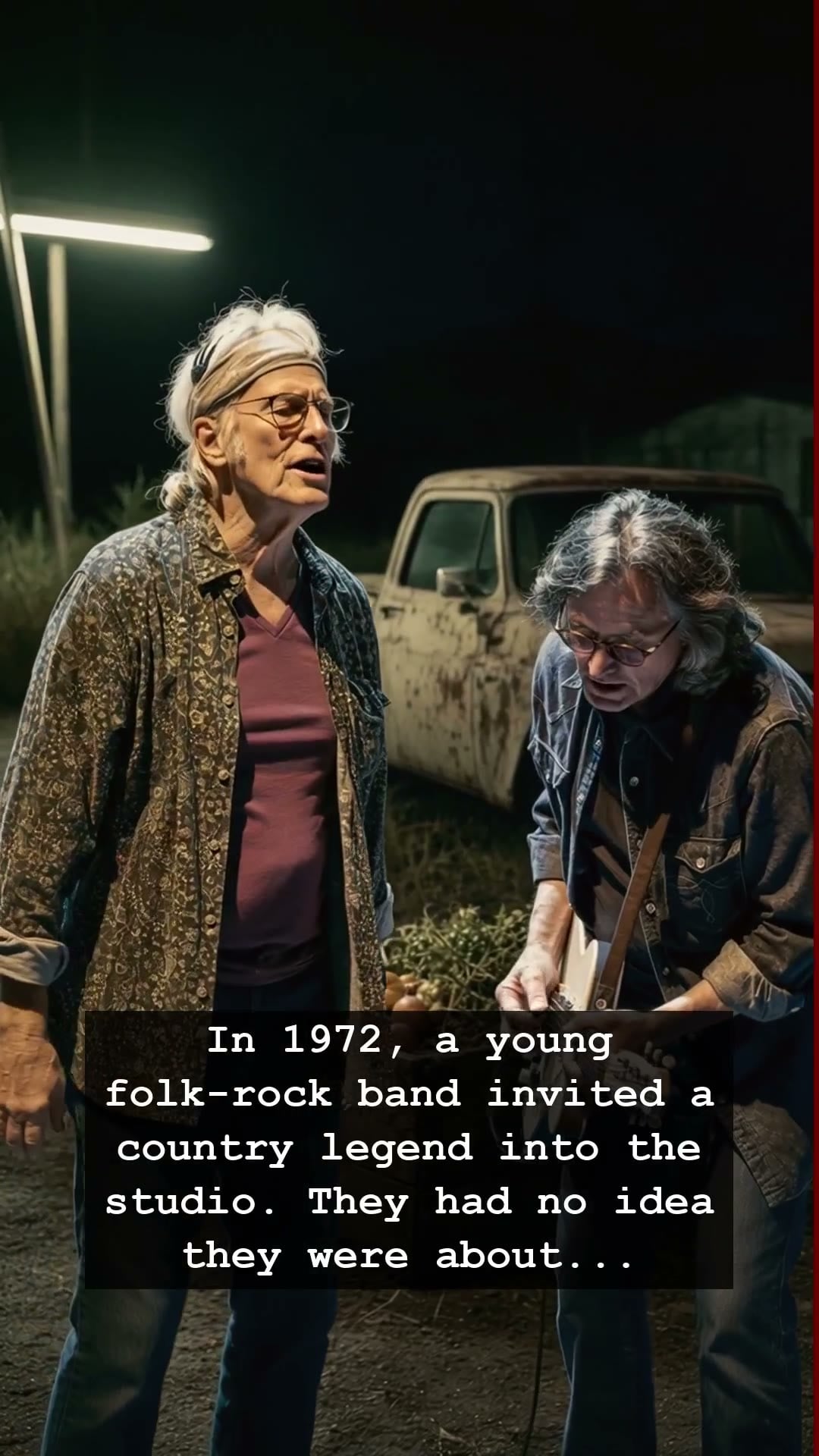
The year was 1972, and the Nashville air was thick with the scent of old wood, cigarette smoke, and a desperate, unspoken tension. The Nitty Gritty Dirt Band, a group of young, long-haired folk-rockers from California, stood in the studio looking like fish out of water. They were not there to chase the glitz of the burgeoning Arena Rock scene or the polished sounds of the radio; they were there to capture ghosts. The gamble was enormous: inviting the matriarch of country music, Mother Maybelle Carter, to record with a band that looked more like they belonged at a Woodstock revival than a traditional country session. They were bridging a chasm between generations, unaware that they were about to craft a masterpiece that would rewrite the lineage of American roots music.
Maybelle Carter was royalty in every sense, the woman whose ‘Carter Scratch’ had defined the very architecture of the guitar for decades. When she walked into the studio, the room hushed. The contrast was striking: these rock-and-roll upstarts, influenced by the counterculture movement, sitting alongside a woman who had weathered the Great Depression and the transition from the Jukebox era to the dawn of television. There was a palpable friction, a clash of styles and histories that seemed destined to fail. Yet, as the microphones were dialed in and the tape began to roll for the album Will the Circle Be Unbroken, something transcendent occurred. The cynicism of the modern era melted away, replaced by the raw, haunting resonance of authentic American history.
The resulting tracks were not merely songs; they were time capsules. By honoring Maybelle Carter and her peers, the Nitty Gritty Dirt Band proved that the spirit of the hills could thrive in a modern studio. They stripped away the artificial lacquer of 1970s production, choosing instead to capture the fragility and strength in Maybelle’s voice. It was a defiant act against the growing corporate influence of the music industry. In an age where the Walkman was about to change how we consumed music in isolation, this project insisted on the collective power of people sitting in a room, playing instruments with their own hands, and telling stories that spanned half a century.
Looking back, it remains a moment of pure musical alchemy. Maybelle Carter brought a dignity to the proceedings that transformed the young band’s perspective on fame and legacy. She understood that music was not about charts or fleeting trends, but about the endurance of the human soul. The sessions were filled with whispered secrets, stories of hard-traveled roads, and the quiet realization that the roots of Rock ‘n’ Roll ran deeper into the Appalachian soil than any of the youngsters had dared to imagine.
Today, as we navigate a world dominated by digital perfection, the grit and soul of that 1972 collaboration still resonate with an aching beauty. It serves as a reminder of a time when music was an act of communion rather than content creation. The legacy of Maybelle Carter survives not just in the archives, but in the echoes of every chord played with sincerity. The circle remains unbroken, inviting us all to listen, remember, and find our place in the song.