
The year was 1970, and the world was changing rapidly. While the psychedelic smoke of the late sixties was beginning to clear, the airwaves were still haunted by the harmonies of two men from Queens who had defined a generation. Simon and Garfunkel were at the absolute peak of their creative tension, crafting what would become their final masterpiece, Bridge Over Troubled Water. But behind the serene, folk-tinged facade of their music lay an obsessive pursuit of perfection that pushed the boundaries of sound engineering and tested the fragile patience of two geniuses locked in an inevitable creative divorce.
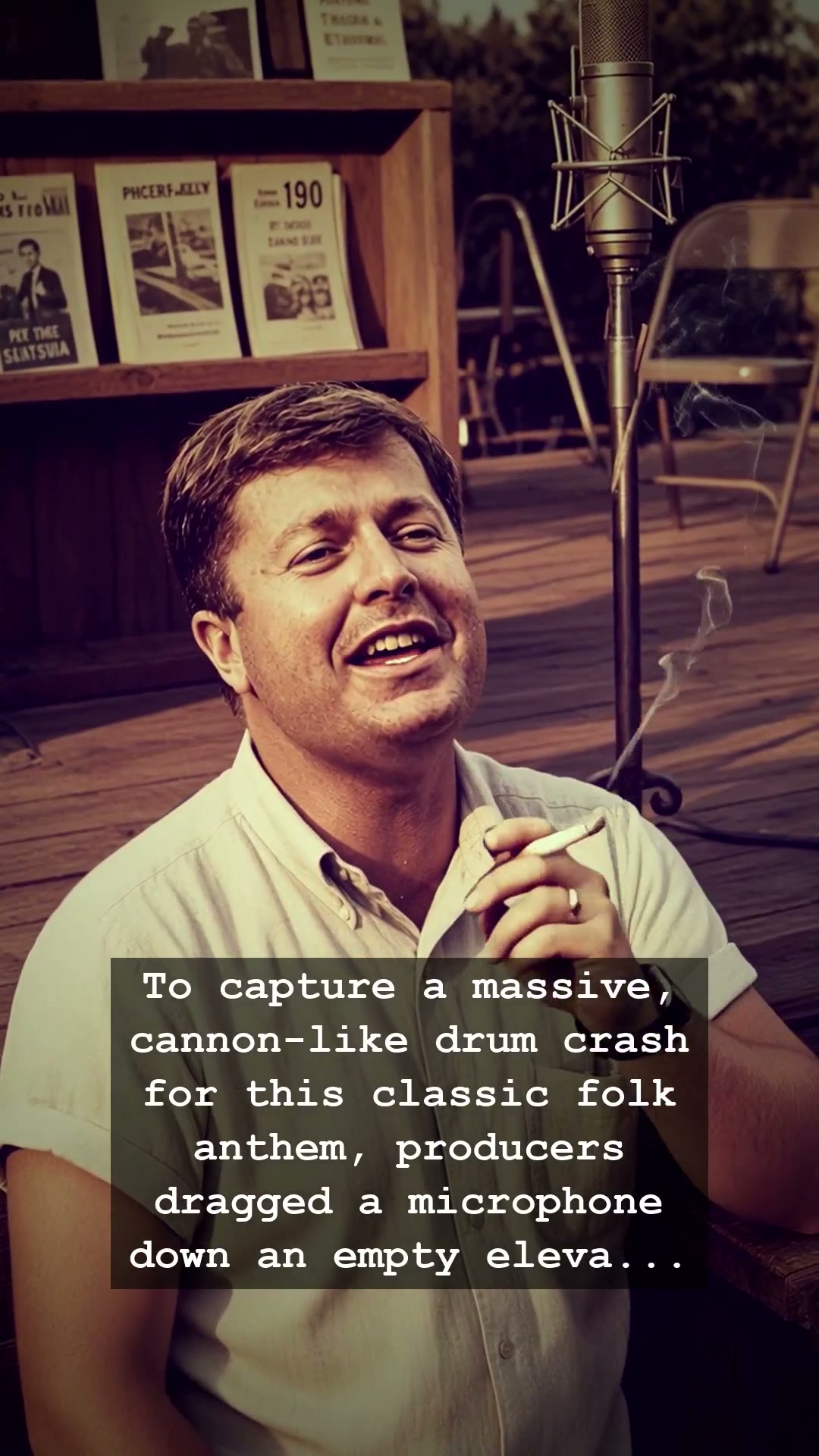
Most fans know the song for its sweeping melody and Paul Simon’s poignant lyricism, but the secret to its massive, soul-shaking impact lies in a moment of pure, desperate experimentation. If you listen closely to the drum work, you hear a sound that seems to defy the constraints of a traditional recording booth. To capture that cavernous, cannon-like snare drum hit that anchors the track, the production team did something unthinkable for the era: they dragged a microphone down an empty elevator shaft. They needed an echo that felt like the voice of God, something that would reverberate through the soul of every listener tuning in on their home stereos or through the newly emerging pulse of the radio waves.
This sonic audacity was a hallmark of the transition into the seventies. Simon and Garfunkel were no longer just folk singers playing in intimate coffeehouses; they were architects of sound, operating in a high-pressure environment where every note carried the weight of their crumbling partnership. The elevator shaft experiment wasn’t just a gimmick—it was a frantic attempt to give their music a physical, architectural presence that matched the emotional gargantuan scale of their lyrics. It captured the tension of an era where art was becoming increasingly cinematic, even as the personal lives of the artists were slipping into shadow.
Beyond the technical brilliance, the story of this drum hit highlights why Simon and Garfunkel remain an essential pillar of American music. Their career was a masterclass in how human conflict can birth transcendent beauty. You can hear the ghosts of their silent arguments in the space between the notes, a quiet war fought behind the glass of the studio control room. It was the era of the burgeoning studio legend, a time when producers were essentially alchemists, turning simple drum hits into thunderous percussion that would eventually influence the grand arena rock productions of the coming decade.
Today, when we revisit their catalog, we aren’t just listening to songs; we are listening to a specific moment in time where folk-rock reached its zenith. That elevator shaft echo remains a testament to a period when artists dared to break the rules to find the perfect sound. Even decades later, the music of Simon and Garfunkel continues to resonate, reminding us that the greatest art often emerges from the deepest cracks in the foundation. Take a moment today to put on a record, close your eyes, and listen for the phantom echo in that drum track—a lasting legacy of a partnership that changed the sound of the world forever.