
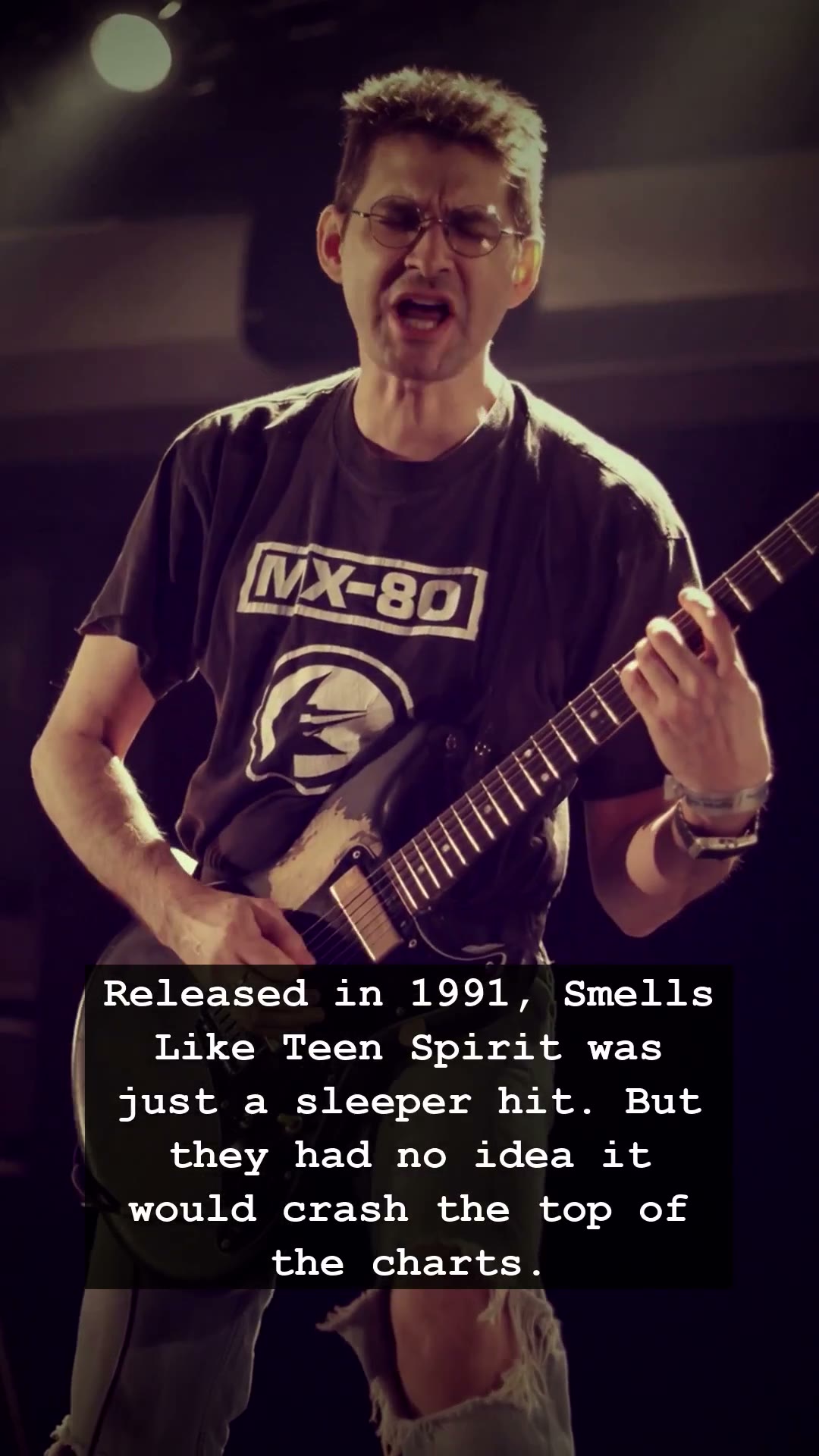
In the late summer of 1991, the world was still dancing to the polished, synthetic gloss of 80s pop. Michael Jackson sat comfortably on the throne of the charts, and hair metal bands were still saturating the airwaves of MTV with their choreographed excess. Nobody saw the storm brewing in the Pacific Northwest. When a trio from Aberdeen, Washington, released a song called Smells Like Teen Spirit, they expected nothing more than a modest run in the college radio circuit. It was a sleeper hit, a raw, distorted scream from a garage, yet it was destined to trigger a cultural earthquake that would shatter the musical status quo forever.
Nirvana, led by the haunted and enigmatic Kurt Cobain, did not set out to become the voice of a generation. They were simply channelled the angst of a forgotten youth, capturing a malaise that resonated far beyond their Seattle roots. When the music video for Smells Like Teen Spirit finally hit the screens, the effect was instant and hypnotic. It felt dangerous, authentic, and entirely unrefined—a direct, violent contrast to the pristine aesthetic that had dominated the decade prior. Suddenly, the pristine halls of the mainstream were being stormed by flannel-clad outsiders who didn’t care about chart positions or media approval.
Within weeks, the impossible happened. The sheer, relentless force of Nirvana pushed the track to the top of the charts, effectively toppling Michael Jackson from his long-held peak. It was a shift that marked the death of the glossy 80s and the abrupt dawn of the Grunge era. Fans across the globe tossed aside their hairspray and Walkmans to embrace the darker, heavier sounds of the underground. The band found themselves thrust into a blinding spotlight they were never equipped to handle, struggling to reconcile their anti-establishment ethos with the sudden reality of global stardom.
Behind the scenes, the pressure was already beginning to fracture the band. The rapid transition from playing dive bars to selling out arenas in front of thousands was a jarring experience that fed into the internal drama and personal demons that plagued Cobain. The irony was not lost on the members of Nirvana: they had become the very thing they detested, a massive commercial product, while their music remained a cry for genuine human connection amidst the chaos of the music industry. It was a tragic paradox that fueled some of the most raw and enduring songs in rock history.
Decades later, the legacy of that moment remains untouchable. Smells Like Teen Spirit still serves as a jagged anchor to a time when music felt like a revolution rather than a commodity. It was a singular point in time where culture shifted on its axis, proving that even a sleeper hit could change everything. As we look back, we aren’t just remembering a song; we are remembering the feeling of a generation discovering its own voice, loud, defiant, and beautifully messy. The echoes of that garage-born rebellion still ring in the ears of anyone looking for truth in their music.