
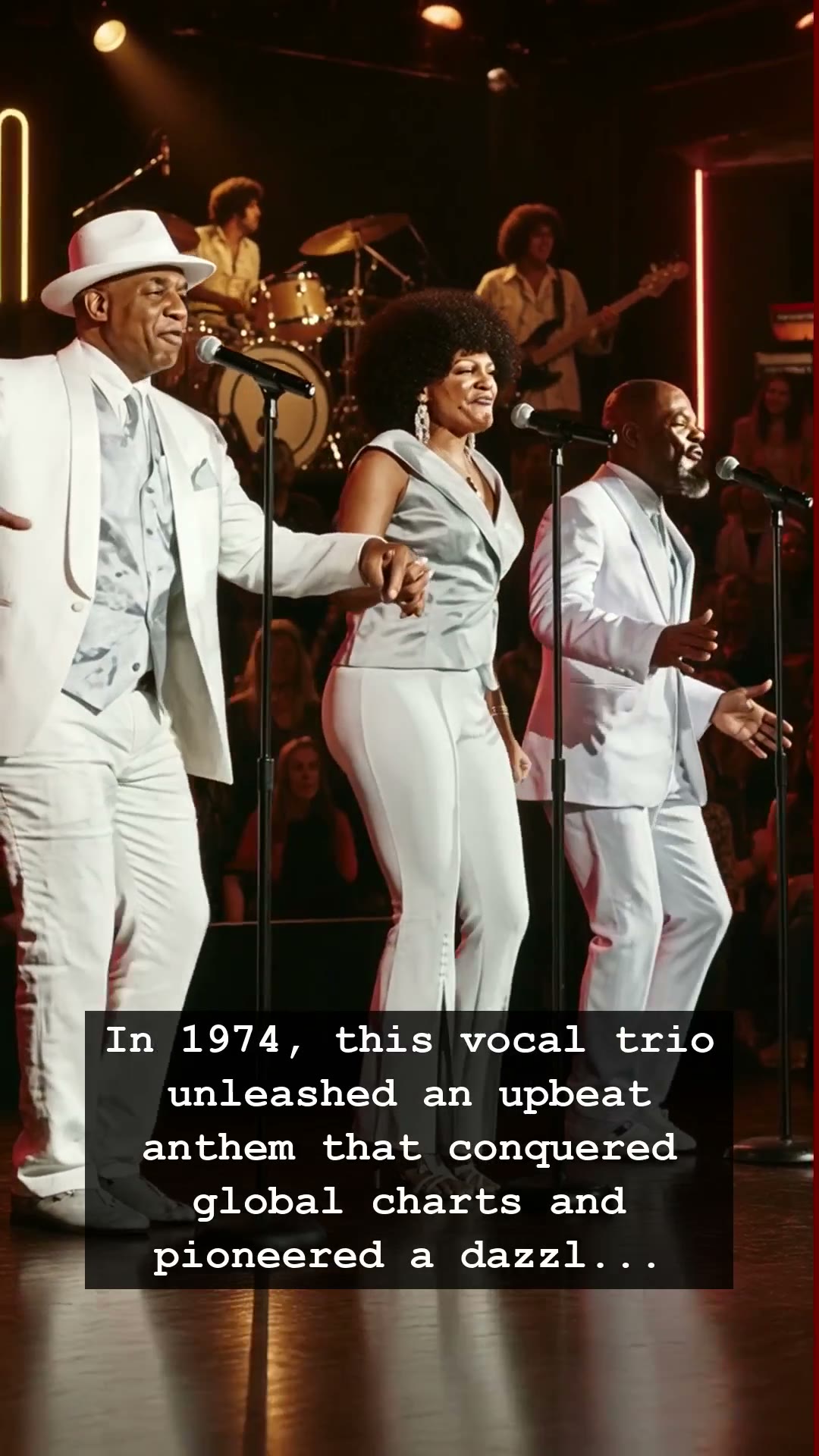
In 1974, the airwaves were undergoing a seismic shift. The gritty, introspective sounds of the late sixties were rapidly dissolving into the glittery, neon-soaked promise of a new decade. Amidst this cultural transition, a trio known as The Hues Corporation released an anthem that would forever define the disco era. Rock the Boat was more than just a dance floor filler; it was a rhythmic explosion of pure, unadulterated joy that captured the hearts of millions. But behind the infectious beat and the silky-smooth vocal harmonies lay a complex reality of an industry that was notoriously unforgiving to the pioneers who built its foundations.
The Hues Corporation—comprised of St. Clair Lee, Fleming Williams, and Hubert Ann Kelley—found themselves at the epicenter of a musical revolution. Before the term disco became a household word, they were out there on the front lines, blending soul, pop, and a nascent electronic groove that echoed through the high-end sound systems of Studio 54. Their success with Rock the Boat was nothing short of a miracle in a segregated industry, yet it served as a double-edged sword. While the world was dancing away their worries, the members of The Hues Corporation were grappling with the fleeting nature of fame, internal tensions, and the crushing pressure to replicate a lightning-in-a-bottle hit that defined an entire generation.
To understand the gravity of their contribution, one must look back at the landscape of the mid-seventies. It was an era where the Jukebox was the heartbeat of every roadside diner and the Walkman was just beginning to dream of portability. The Hues Corporation managed to pierce through the noise, delivering a sound that felt both sophisticated and accessible. However, the internal dynamic of the group was often far from the breezy, optimistic tone of their music. The pressure to remain relevant in a world dominated by rapidly changing trends often meant that the people behind the microphone were treated as mere commodities in a cutthroat business, leading to inevitable rifts and personal sacrifices that rarely reached the tabloid press of the time.
Despite the drama and the eventual fragmentation of their initial lineup, the legacy of The Hues Corporation remains untarnished. They weren’t just a one-hit wonder; they were the architects of a sound that provided a soundtrack to the liberation of the dance floor. Every time the opening bassline of their signature track drops today, it transports listeners back to a time of platform shoes, polyester flares, and the sheer audacity of hope that defined the nineteen-seventies. Their story is a bittersweet reminder that the brightest stars often burn through the most turbulent atmospheres before fading into the annals of history.
As we look back at the pioneers who shaped our sonic memories, it is essential to give The Hues Corporation their due credit. They navigated the pitfalls of the entertainment industry with a style that few could replicate. Their music remains a testament to the fact that even in the face of uncertainty, a well-crafted melody can survive the shifting tides of time. The next time you hear those iconic opening notes, take a moment to reflect on the trio who helped us all learn how to dance through the uncertainty of a changing world. Does the memory of their music still make your heart skip a beat?