
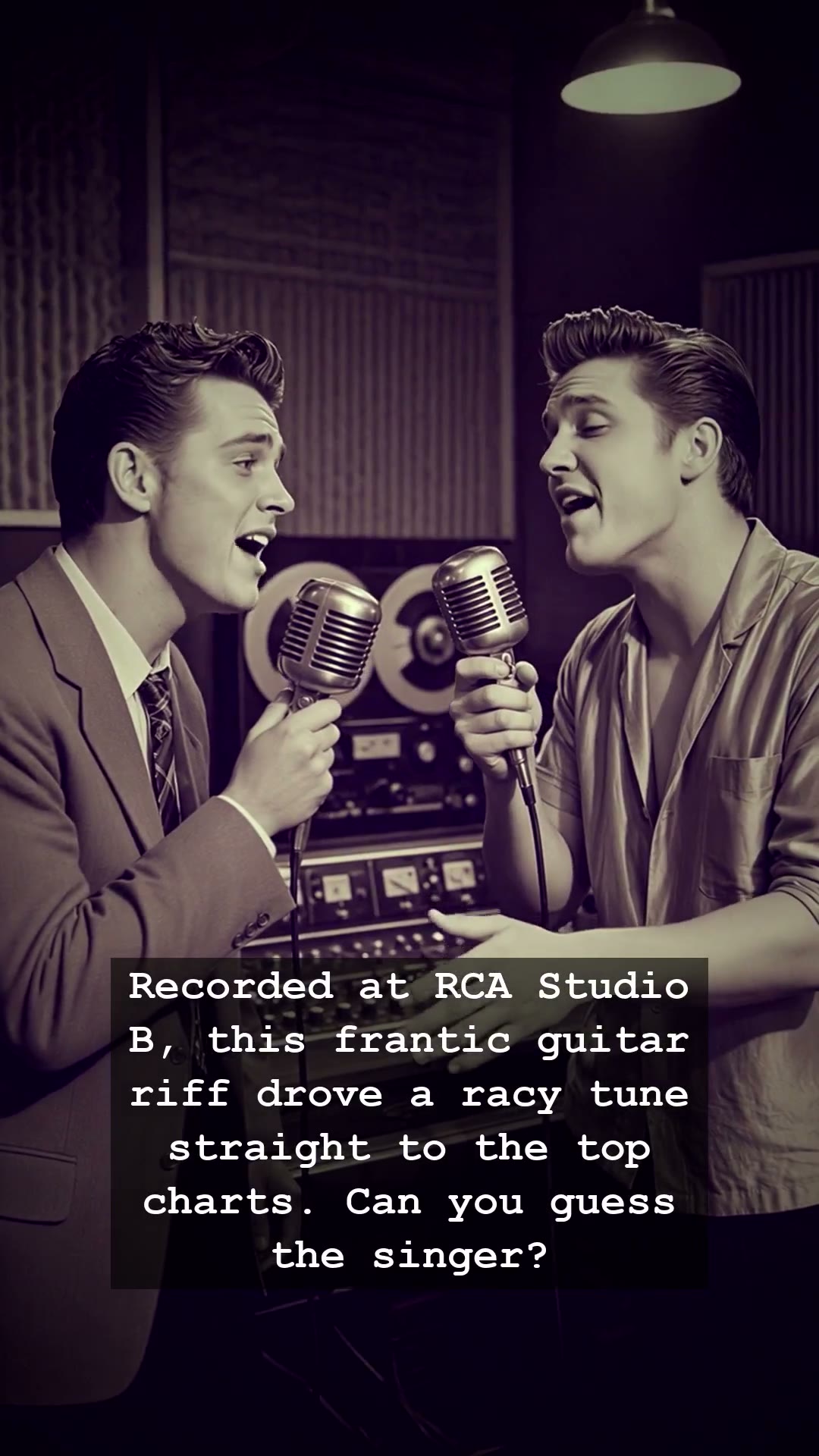
The air inside RCA Studio B in Nashville was thick with the scent of stale coffee and cigarettes in the early months of 1961. It was here, amidst the hum of vacuum tubes and the creak of floorboards, that the King of Rock and Roll, Elvis Presley, was about to capture a sound that would define the raw, unbridled energy of the era. A frantic, biting guitar riff pierced through the silence, transforming what could have been a standard pop record into a masterclass of rockabilly intensity. While the world remembers Elvis Presley for his hip-shaking charisma and his gold lamé suits, it was moments like these, hidden behind the heavy studio doors, that truly built his legend.
At the time, the music industry was evolving rapidly. The innocence of the mid-fifties was starting to fray at the edges, giving way to a more desperate, driving sound that mirrored the restlessness of American youth. Elvis Presley, fresh from his military service and eager to reclaim his crown, leaned into the studio session with a hunger that surprised even his most seasoned session musicians. That specific, frantic riff was not just a musical choice; it was an act of defiance, a way to remind the public that despite the changing tides of pop music, the King still carried the dangerous, scorching flame of early rock and roll in his soul.
Many music historians often overlook the technical alchemy that occurred within the four walls of that Nashville studio. As the tape machines whirred, capturing the lightning-in-a-bottle performance, Elvis Presley was orchestrating more than just a melody. He was navigating the immense pressure of his own fame, a burden that often felt heavier than the spotlight itself. The grit in his voice during this 1961 session told a story of a man caught between the idol he was expected to be and the rocker he fundamentally remained. It was a frantic, urgent sound that resonated far beyond the confines of the studio, eventually climbing the charts to solidify his status as the undisputed architect of American rock.
Looking back, it is fascinating to consider how these tracks were manufactured. There were no digital shortcuts, only the raw talent of the musicians and the perfectionism of Elvis Presley, who would often record take after take until the energy in the room reached a fever pitch. This was an era defined by the crackle of a vinyl record on a Jukebox and the anticipation of hearing a new hit on the radio. For those of us who grew up with his music, that 1961 sound represents a bridge between the wild birth of the genre and the polished, cinematic superstardom that would eventually dominate the rest of his life.
Even decades later, that frantic guitar work remains a testament to a bygone era of authentic, high-stakes artistry. It serves as a reminder that behind the massive fame and the eventual tragedy, there was always a musician who cared deeply about the bite of a string and the resonance of a vocal line. As we spin these old records today, we aren’t just listening to a hit song; we are stepping back into a room in Nashville where history was made, one take at a time. The legacy of Elvis Presley continues to echo through the halls of rock history, proving that some sounds are simply timeless.