
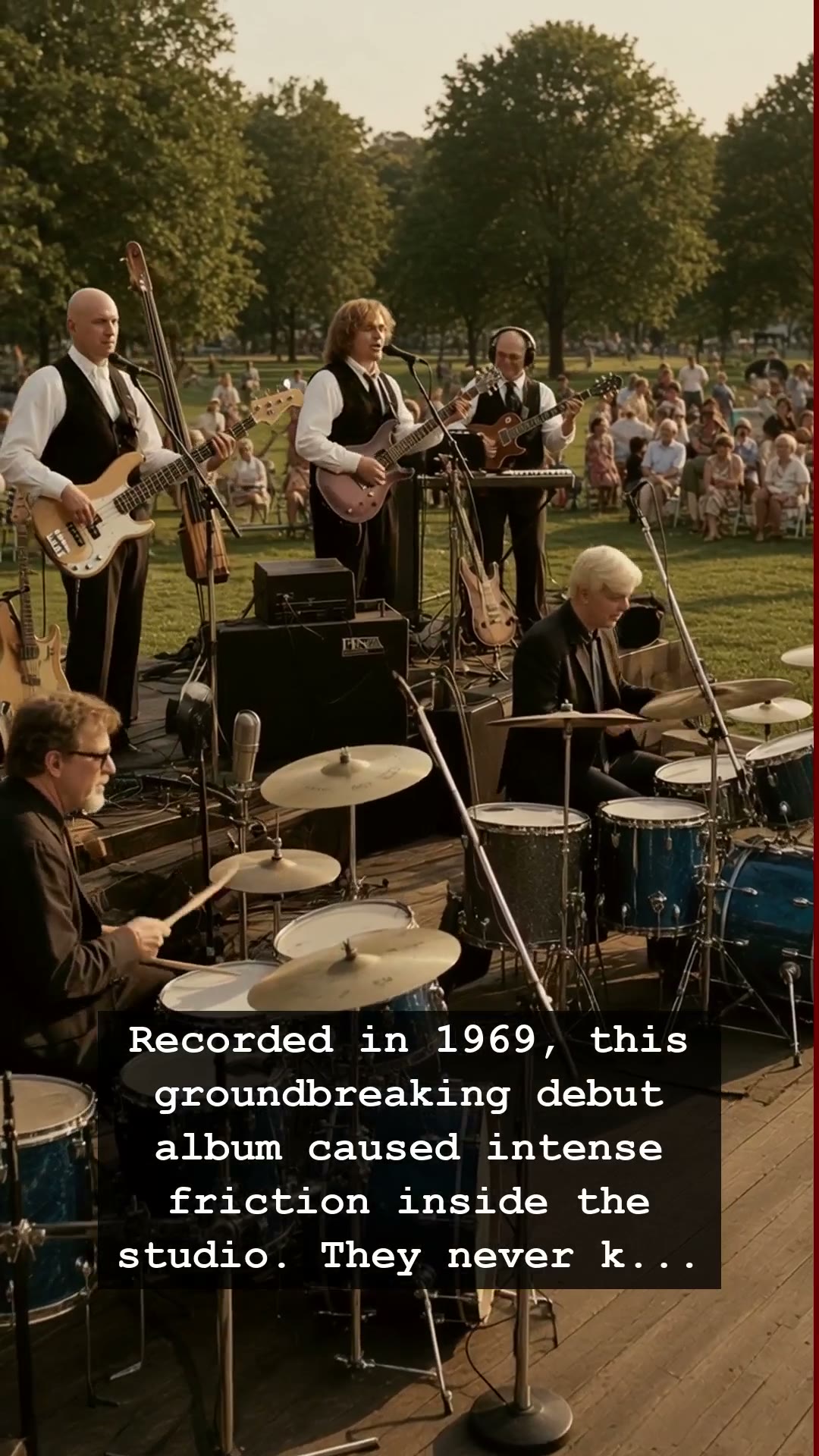
In the sweltering heat of the 1969 London summer, a musical storm was brewing behind the thick, soundproofed doors of a studio that would change rock history forever. While the rest of the world was still vibrating with the communal peace of Woodstock, a collective known as King Crimson was busy crafting In the Court of the Crimson King. It was a dark, brooding, and impossibly complex debut that did not just break the rules of rock—it shattered them. Yet, as the tape reels turned, the very genius that fueled their innovation was simultaneously acting as a lethal poison, tearing the fragile ego of the band apart from within.
To listen to King Crimson in 1969 was to step into a different dimension. This was the birth of progressive rock, an era where the Jukebox hits of the early sixties felt like relics of a distant past. The band was a cauldron of contrasting temperaments, led by the uncompromising vision of Robert Fripp. The friction inside the studio was palpable. It wasn’t just about the music; it was a clash of spirits, an intense creative pressure that turned every chord change and drum fill into a battleground. For those who were there, witnessing the birth of tracks like 21st Century Schizoid Man, it felt less like a recording session and more like a high-stakes psychological drama.
The tragedy of King Crimson during this formative period is the classic tale of brilliance consuming itself. The band members were musical virtuosos, but the weight of their own ambition made collaboration an exhausting marathon. Arguments broke out over minor arrangements; silence filled the room after failed takes; and the atmosphere grew so toxic that it became clear this lineup was a shooting star destined to burn out before the album even hit the shelves. The irony was devastating: they had created a masterpiece that defined an entire sub-genre, but the personal costs were so high that the band disintegrated almost immediately upon its completion.
Looking back, the legacy of King Crimson remains a testament to the turbulent spirit of the late sixties. While their peers were experimenting with psychedelic floral patterns and pop harmonies, King Crimson chose to stare into the abyss. Their influence would ripple through the decades, paving the way for the arena rock epics of the seventies and the complex technicality of modern metal. For the fans who remember the first time they dropped the needle on that crimson-hued vinyl, the record still carries the scent of that claustrophobic, magical, and volatile studio room.
Decades later, the story of this band serves as a haunting reminder of the thin line between artistic innovation and emotional ruin. The friction that nearly destroyed them is exactly what makes the music feel so alive even now. It is a raw, unvarnished piece of history preserved on tape, reminding us that sometimes, the most beautiful art is forged in the deepest fire. When you listen to those haunting mellotron swells today, you aren’t just hearing a song; you are hearing the sound of a band that gave everything, including their unity, to leave their mark on the world.