
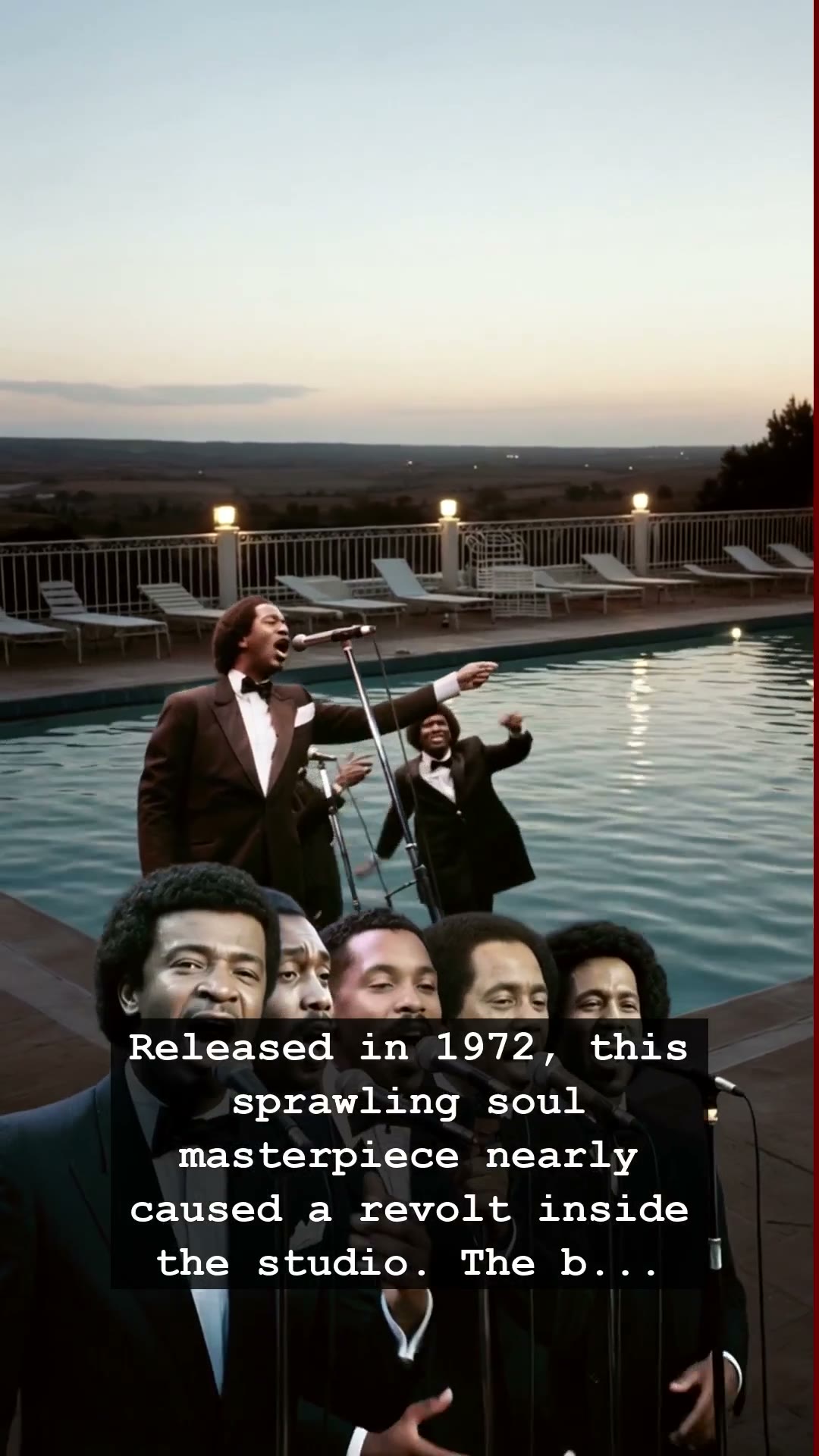
It was 1972, and the air inside the Motown studio was thick with tension. Outside, the world was changing; the innocence of the early sixties had long evaporated, replaced by the gritty, politically charged landscape of a nation in turmoil. Inside, The Temptations stood at a crossroads. When producer Norman Whitfield presented them with a sprawling, experimental arrangement, the iconic quintet was ready to walk out. To them, the track was a disaster. It lacked the smooth harmonies they were famous for, and the repetitive, pulsing bassline felt like a monotonous cage rather than a musical foundation. They fought, they argued, and they pleaded to reject the song, never imagining they were about to record the definitive sound of a new era.
That song was Papa Was a Rollin’ Stone. For a group synonymous with polished choreography and velvet-smooth vocal delivery, the transition to such a dark, psychedelic soul aesthetic felt like a betrayal of their brand. The Temptations had spent years perfecting the art of the jukebox hit, and this twelve-minute epic felt like an indulgence that would alienate their loyal fan base. The studio became a battlefield of artistic pride. The band members reportedly hated the song so much that they initially refused to put their hearts into the recording, sensing that the shift toward social commentary and extended instrumental passages was a gamble that could destroy their legacy.
Yet, history has a way of turning defiance into legend. As the haunting bassline fades in, it captures the paranoia and the shifting cultural tide of the early seventies. The song wasn’t just a record; it was a film for the ears. It pulled the listener into the shadows of urban reality, a stark contrast to the bright, bubblegum optimism that once defined the Motown sound. It was the sound of a band being pushed to their absolute limits, not just by their producer, but by the weight of a generation that was no longer looking for love songs, but for the truth about the broken homes and forgotten faces of America.
Looking back, it is staggering to think that The Temptations almost let this masterpiece slip through their fingers. The friction inside the studio ultimately fueled the cold, detached intensity of their vocal performances. It became a Grammy-winning anthem that defined not only their career but the trajectory of soul music forever. The song proved that even when an artist fears they are losing their identity, they might actually be stepping into their most significant transformation. It remains a chilling reminder of the raw, uncomfortable, and brilliant moments that happen when egos collide in the name of art.
Today, when you hear those first iconic notes, you aren’t just listening to a hit from 1972. You are hearing the sound of five men who were forced to evolve, stepping away from the safety of their past to embrace a haunting, permanent spot in the annals of music history. It is a story of conflict, growth, and the enduring power of a song that refused to be silenced. Do you remember where you were the first time those legendary strings and that relentless beat finally clicked for you?