
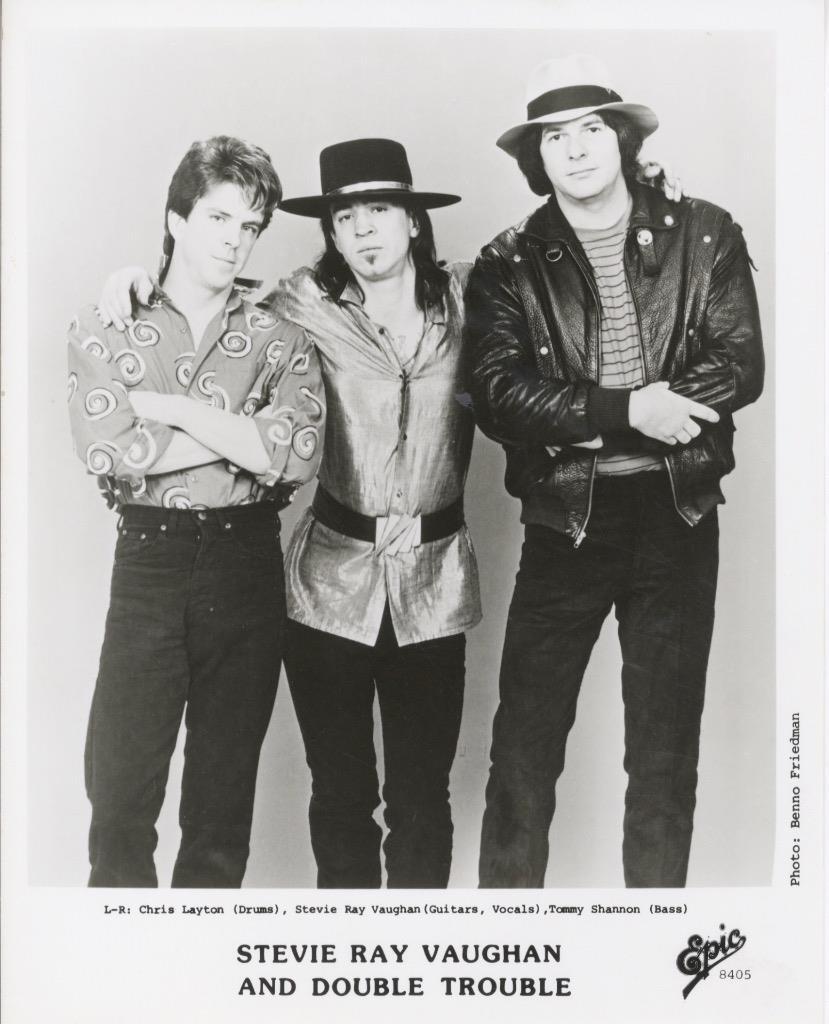
It was the summer of 1990, a time when the echoes of the eighties were fading and a raw, stripped-back sound was beginning to capture the American spirit. Alpine Valley Music Theatre in Wisconsin was buzzing with an electric energy, a testament to the enduring power of the blues revival. On stage, Stevie Ray Vaughan was at the absolute peak of his craft. His weathered Stratocaster, a battered relic named Number One, seemed to weep and howl in his hands, channeling the ghosts of Texas legends past. For those lucky enough to be in the crowd, it felt like a holy communion, a night where the blues wasn’t just music; it was a visceral, living force. Nobody knew then that this would be the final time the world would witness his genius.
The tragedy that followed remains one of the most chilling ‘what-if’ stories in rock and roll history. In the hours leading up to the final performance, the logistics of the tour were frantic, a common reality in the high-stakes world of touring musicians. As the fog began to roll into the Wisconsin valley, obscuring the night sky in a thick, ghostly shroud, transportation arrangements were hastily made. The air was heavy with humidity and a sense of impending finality that no one could have possibly predicted. It has since emerged that Stevie Ray Vaughan was offered a seat on another vehicle, an alternative path that would have taken him safely away from the scene of the tragedy. Yet, in a moment that still haunts his loyal fanbase, he chose the helicopter that would ultimately meet the unforgiving darkness of the terrain.
To understand the magnitude of this loss, one must remember the era. This was the age of the Walkman and the MTV revolution, a period when guitar heroes were often sidelined by synthesizers. Yet, Stevie Ray Vaughan stood as a defiant bridge between the tradition of the jukebox blues and the modern stage. His work was never about polished production or flashy trends; it was about the blood on the fretboard and the soul in the rhythm. He had recently conquered his demons, emerging from the dark fog of substance abuse with a clarity that made his playing more poignant than ever. He was a man reborn, ready to claim his throne as the new king of the blues.
The crash, occurring in the dead of that thick, unrelenting fog, silenced one of the most vital voices of the late twentieth century. When the news broke, it felt as though the heartbeat of the blues had been momentarily suspended. It serves as a stark reminder of the fragility of legends; even those who seemed larger than life were subject to the cold, random cruelty of fate. Decades later, fans still gather at his memorials, listening to his recordings on scratchy vinyl, trying to find that same lightning in a bottle he once commanded.
Today, we look back at Stevie Ray Vaughan not just as a tragic figure, but as the quintessential guitar icon who kept the spirit of the blues alive in a changing world. His story is a somber tapestry of immense talent, hard-won redemption, and a haunting departure. When you listen to the soaring notes of Lenny or the driving shuffle of Pride and Joy, remember the man who gave everything to his craft. While he was taken far too soon, the resonance of his Fender strings still vibrates through history, reminding us to hold the music, and the moments, just a little bit closer.