
In January 1992, the airwaves felt like a fortress. Michael Jackson, the undisputed King of Pop, sat firmly at the top of the Billboard charts with his polished, record-breaking hit Black or White. For years, the industry had operated under a predictable script: glossy production, choreographed moves, and MTV-ready perfection. The record executives felt untouchable, assuming the public’s taste was locked in a gilded cage. They had no idea that a messy, distorted force from the Pacific Northwest was about to kick down the doors and leave the pop establishment in ruins.
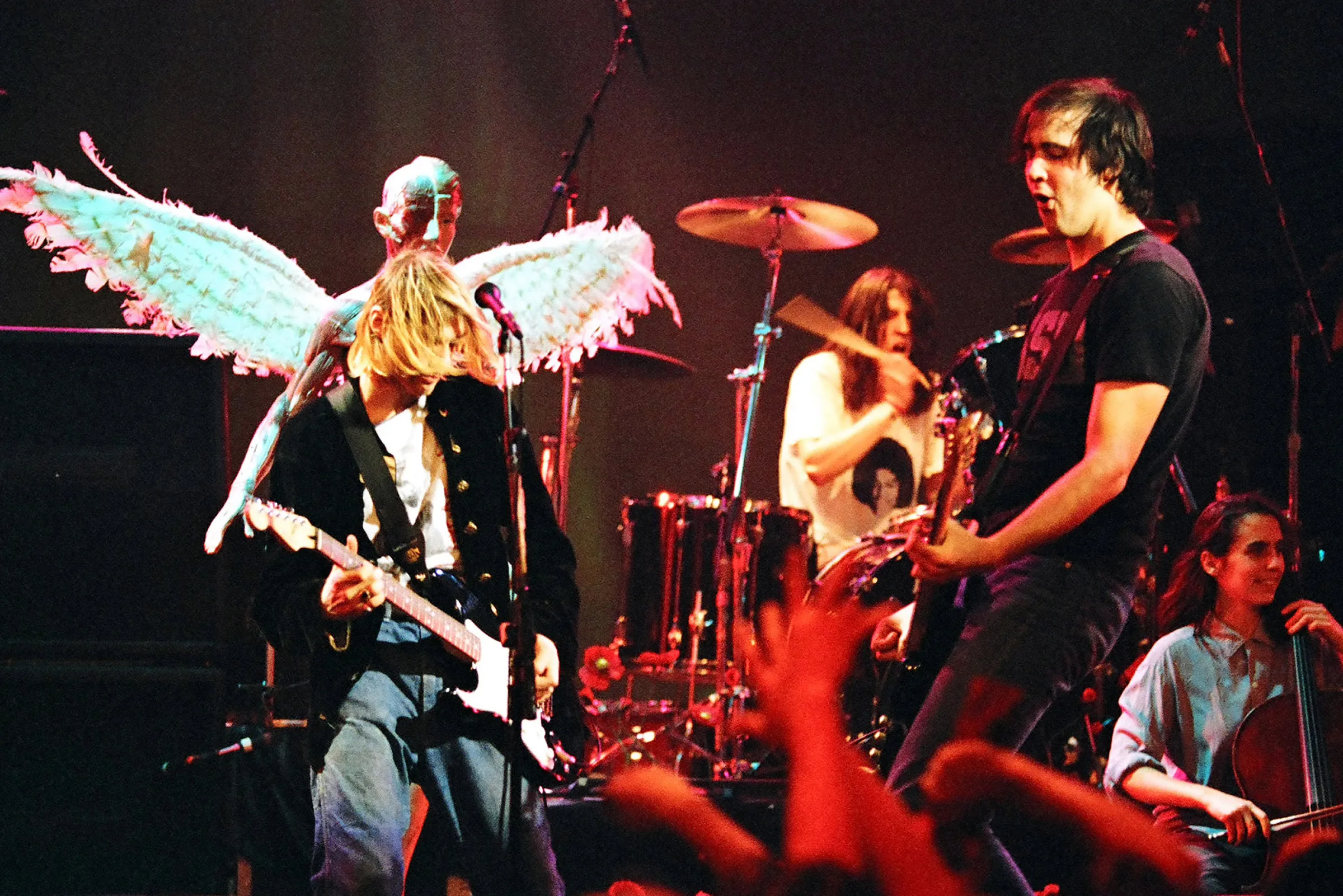
The culprit was a trio from Aberdeen, Washington, known as Nirvana. Their anthem, Smells Like Teen Spirit, was not just a song; it was a molotov cocktail thrown into the pristine living room of 90s radio. Kurt Cobain, with his disheveled hair and cardigan that looked like it had been pulled from a dumpster, didn’t look like a star, yet he carried the collective angst of a generation. When that iconic, scratchy guitar riff first hit the airwaves, it didn’t just climb the charts; it obliterated the barrier between the underground scene and the mainstream, effectively ending the reign of hair metal and pop polish in a single stroke.
To understand the shock, you have to remember the era. We lived in a time of cassette tapes and Walkmans, where the discovery of new music felt like finding a secret map. The Grunge movement, birthed in the rainy, damp clubs of Seattle, was raw, authentic, and unapologetically ugly in a way that resonated deeply with Gen X. While Michael Jackson represented the spectacle of the 80s, Nirvana brought the sobering, introspective grit of the 90s. The industry didn’t see it coming because they had ignored the subterranean rumblings of a disaffected youth culture that was tired of being sold plastic dreams.
Behind the scenes, the rise of Nirvana was anything but a fairy tale. It was the beginning of a whirlwind that would ultimately consume Kurt Cobain. The sudden transition from playing in basement dives to being the most important band on the planet created a pressure cooker of psychological turmoil and substance abuse. The drama wasn’t just in the charts; it was etched on the faces of the members as they navigated the hollow nature of fame. They became the reluctant prophets of a movement that they initially wanted no part of, trapped by the very success that forced their message into the homes of millions.
Even decades later, the impact of that 1992 earthquake is still felt in every corner of alternative music. It reminds us of a time when a song could actually spark a cultural revolution, shifting the tectonic plates of popular fashion, sound, and attitude. When we listen to that iconic track today, we aren’t just hearing a melody; we are hearing the sound of a world permanently transformed. The tragedy and the triumph of Nirvana continue to echo, proving that sometimes, the loudest changes come from the quietest, most broken places.