
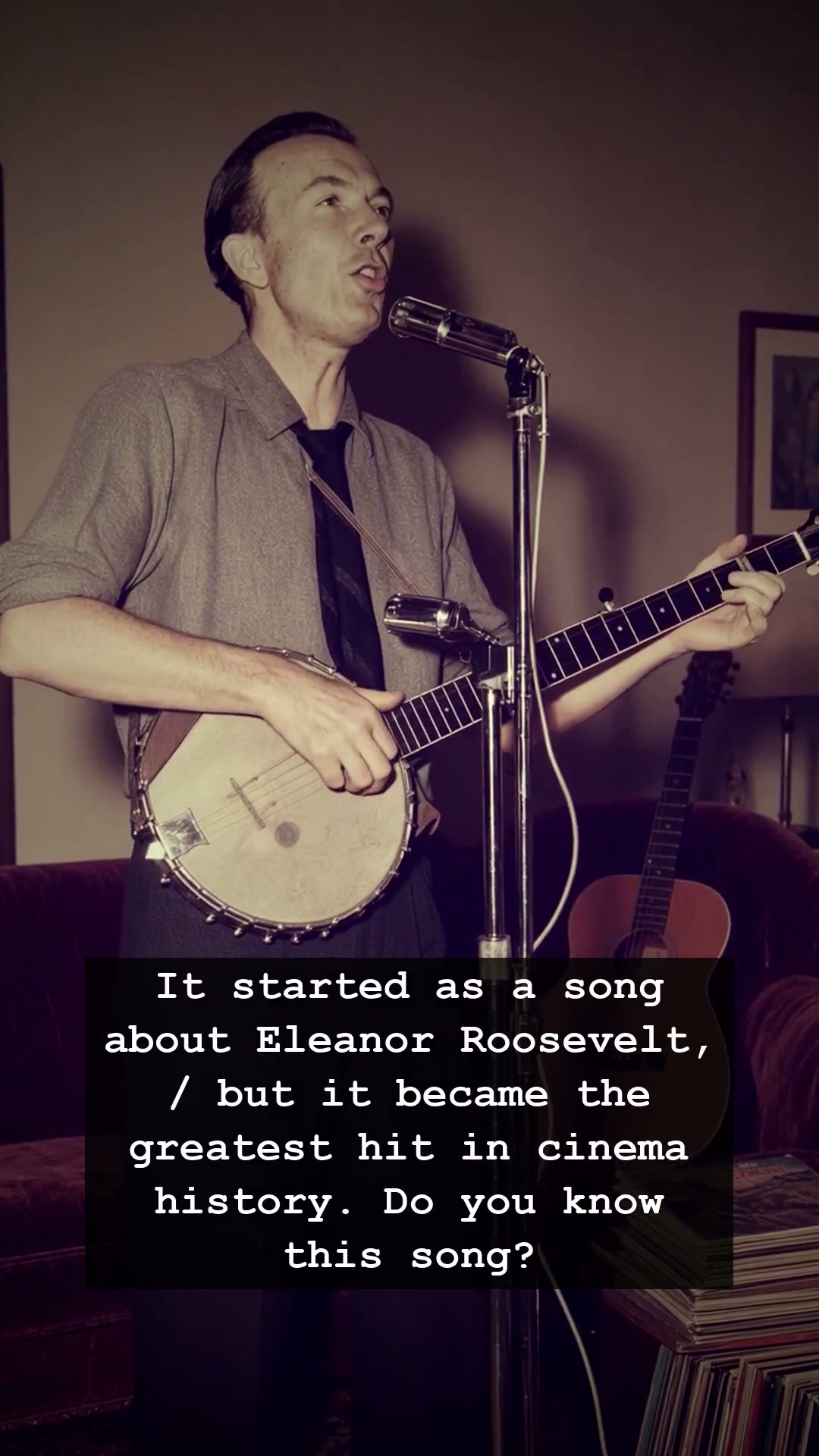
The year was 1967, and the airwaves were thick with the experimental sounds of the psychedelic era. Yet, nestled within the quiet, intricate folk harmonies of Paul Simon and Art Garfunkel, a cultural earthquake was brewing. It began as a fragmented, clumsy sketch, a song originally titled Mrs. Roosevelt, an ode to the former First Lady that felt strangely out of place in the shifting cultural landscape of the late sixties. It was a messy, incomplete idea, destined for the cutting room floor until a chance encounter with the film industry changed the trajectory of American pop music forever.
Director Mike Nichols was deep in the throes of producing what would become a seminal piece of cinema, The Graduate. He needed a sound that captured the alienation, the suburban malaise, and the quiet rebellion of the youth generation. He cornered Paul Simon, pushing him to move beyond his initial drafts. Nichols saw something in the rhythmic pulse of the composition that Simon hadn’t fully realized. With a simple change of the name to Mrs. Robinson, the song suddenly transformed from a historical tribute into a haunting, mysterious, and ultimately iconic narrative of forbidden desire and moral ambiguity. It was no longer about a past political icon; it was about the dark, seductive shadows lurking behind the picket fences of middle-class America.
When you listen to the delicate strumming of those acoustic guitars today, you are transported back to an era when the Jukebox was the heartbeat of every roadside diner. There is a palpable tension in the song that mirrored the restlessness of the 1960s. The song became a bridge between the folk traditions of the early decade and the cinematic storytelling that would define the 1970s. For Simon and Garfunkel, it was the moment they ceased to be just a folk duo and became true titans of the industry, capable of shaping the way a generation saw their own reflection on the silver screen.
The genius of the track lies in its enigmatic structure—the way it feels both intimate and grand, personal yet universally understood. It captured the anxiety of a country losing its innocence, a sentiment that resonates just as deeply with audiences today as it did when it first climbed the Billboard charts. The success of the song wasn’t just in the clever lyrics or the perfect harmonies; it was in the way it caught the precise mood of a nation navigating a crossroads, captured through the lens of a classic film that refused to play by the rules.
Even now, decades after the film’s release, the haunting refrain remains a testament to the power of artistic collaboration. The friction between Nichols’ vision and Simon’s craftsmanship birthed a masterpiece that transcended the screen to become a permanent fixture in our cultural memory. It is a reminder that the best art is often born from the most unexpected of failures. As the final notes fade away, we are left wondering what other stories remain hidden behind the curtain of history, waiting for the right moment to be retold to a new generation.