
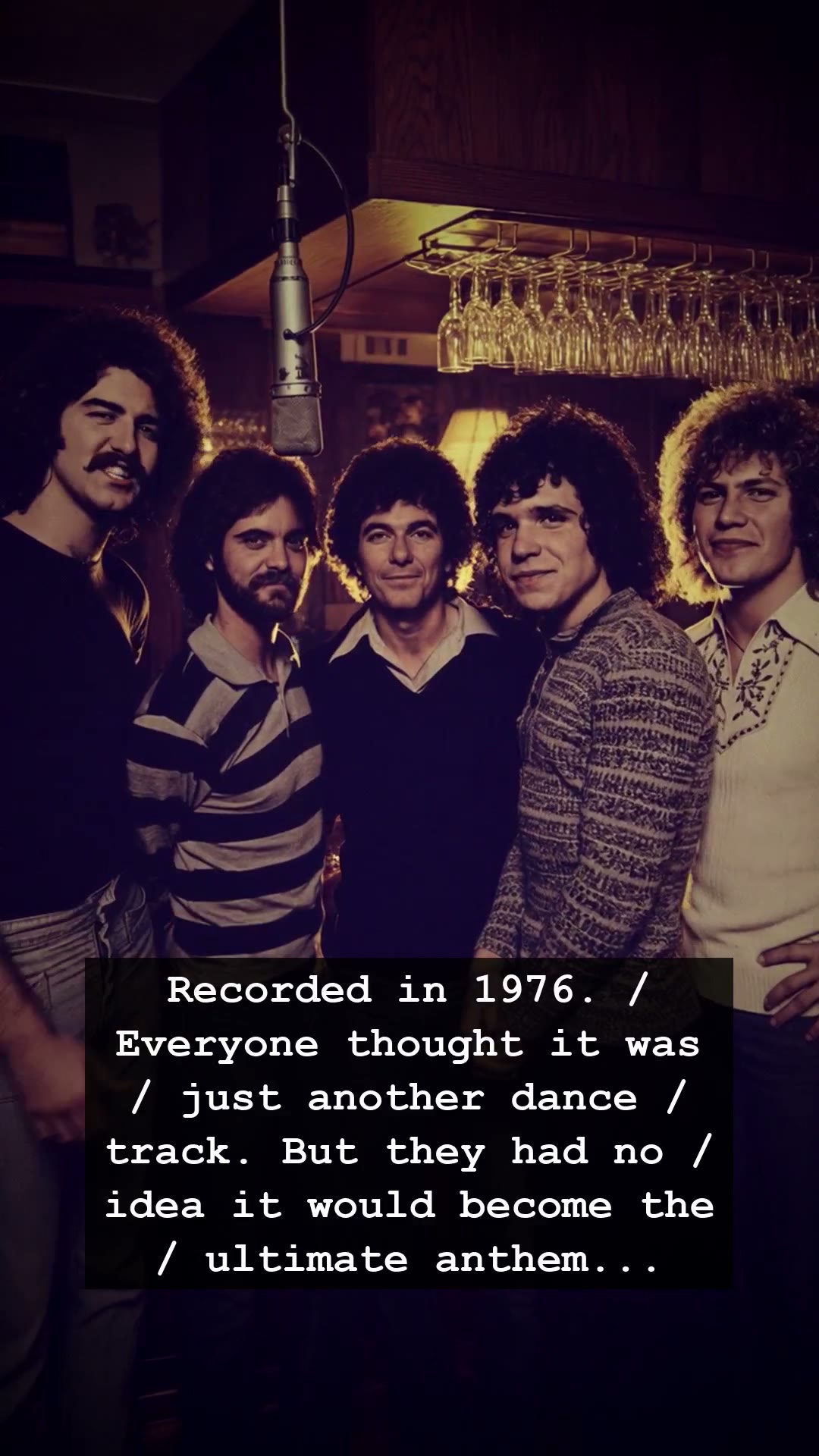
It was 1976. The air in American discos was thick with cigarette smoke, the scent of expensive perfume, and the promise of a night that would never end. At the heart of this cultural explosion was a sound that seemed to come from nowhere, yet felt like it had been waiting in the shadows of every jukebox in the country. When the members of the band Wild Cherry stepped into the studio to record what would become a global phenomenon, they had no inkling that they were about to craft the ultimate anthem of an entire generation. Everyone expected just another dance track to fill the silence, but the reality was far more electric.
Before the chart-topping success, Wild Cherry was essentially a rock band struggling to find its footing in a shifting musical landscape. The members, led by Rob Parissi, were living through the dying gasps of the hard rock era while watching the rise of the disco movement with a mixture of confusion and necessity. The irony of their success is legendary; they were a group of white rock musicians playing in Pittsburgh clubs when an audience member famously heckled them, shouting, ‘Play some funky music, white boy!’ That singular moment of tension, born from the raw reality of the club scene, became the spark that ignited their creative fire and changed their trajectory overnight.
They channeled that frustration into the studio, layering guitars and brass sections in a way that bridged the gap between gritty rock and smooth funk. When Play That Funky Music hit the airwaves, it was an immediate revelation. It didn’t matter if you were at Studio 54 in New York or a local high school dance in the Midwest; the song possessed a hypnotic, infectious groove that forced people to the dance floor. It became the heartbeat of 1976, capturing the transition from the heavy, introspective riffs of the early seventies to the polished, dance-obsessed culture that would define the rest of the decade.
Yet, the journey of Wild Cherry was never just about the fame. It was a testament to the unpredictable nature of the music industry during that golden era. The band members found themselves catapulted from local obscurity to international superstardom, navigating the pressures of touring, the demands of radio play, and the inevitable grind that comes with a massive hit. It was a whirlwind of glitter, vinyl records, and late-night performances that left an indelible mark on those who lived through it. Their story remains a classic cautionary yet celebratory tale of what happens when a band leans into the unexpected.
Decades later, the song remains a staple of our cultural lexicon, playing in films, commercials, and playlists across the globe. It serves as a time machine, instantly transporting us back to the era of flared pants, neon lights, and the pure, unfiltered joy of the dance floor. We listen now, and we can still feel the heat of that 1976 studio session. If you close your eyes, you can almost hear the needle drop on the turntable, bringing that legendary funk back to life.