
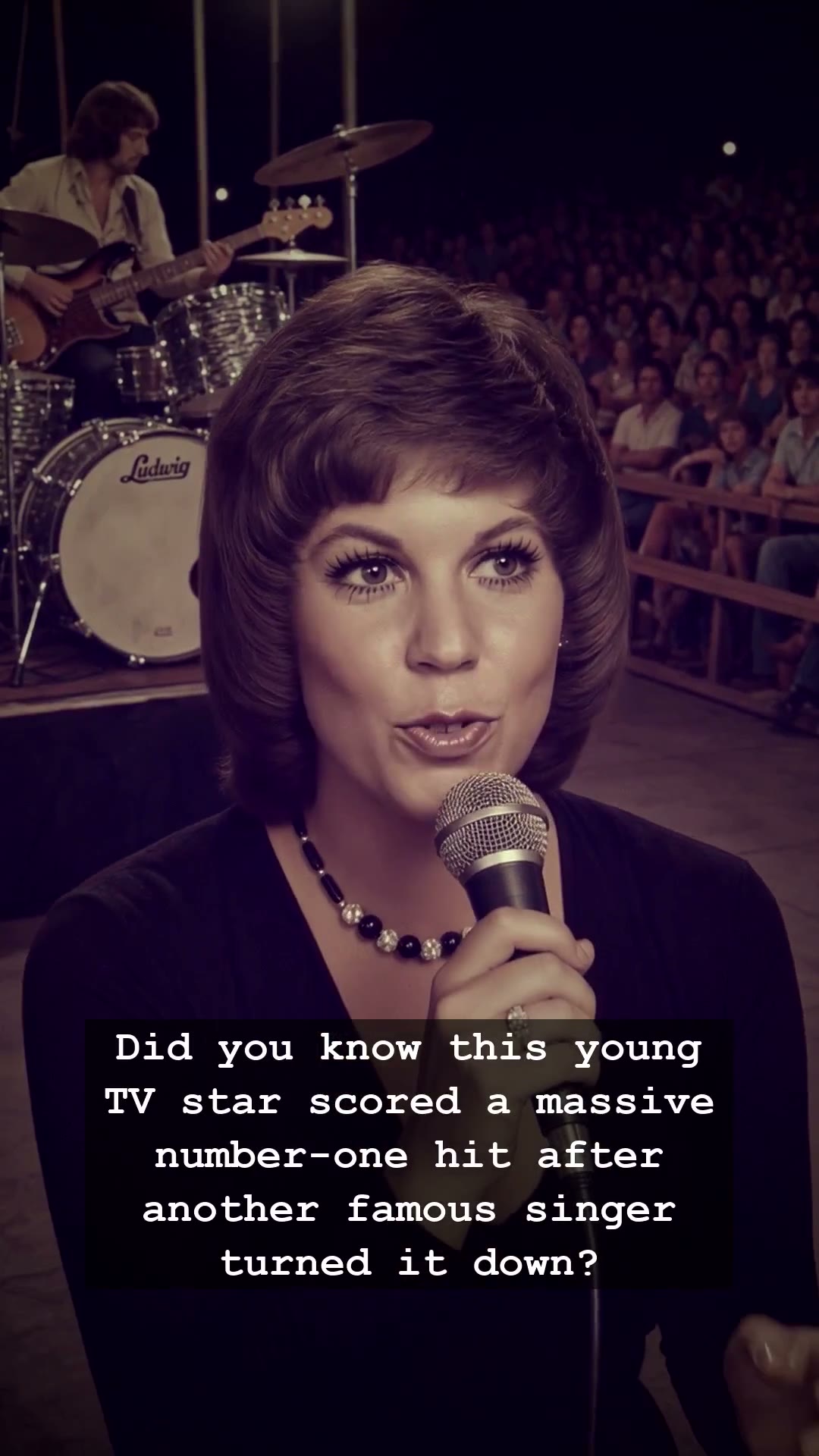
In the golden era of 1970s variety television, Vicki Lawrence was known primarily as the sharp-tongued, comedic foil to Carol Burnett. Audiences across America knew her for the bright lights of the soundstage and the canned laughter of sitcom sets. Yet, behind the scenes, a haunting, morbid song was making its way through the industry, destined to transform her from a television regular into a global music icon. It was a classic case of musical fate, where one legend’s pass became another star’s defining moment.
The song was The Night the Lights Went Out in Georgia, a chilling, cinematic narrative of betrayal and accidental murder set in the humid, tension-filled landscape of the American South. The song’s dark storytelling elements, which felt more like a gripping novel than a pop single, were initially offered to none other than Cher. At the time, Cher was already a powerhouse, but for reasons lost to the fog of studio politics, she declined to record the track. She reportedly felt the song was too controversial or perhaps simply not the right fit for her evolving image. It was a rejection that would prove to be a massive missed opportunity for one star, and the life-changing spark for another.
Vicki Lawrence, then a young performer looking to establish a voice outside of the comedy sketches that defined her, took the demo into the studio with her husband, songwriter Bobby Russell. Despite her lack of experience in the grit of dark country-pop, Lawrence leaned into the song’s grim narrative with a surprising, understated intensity. When the record hit the airwaves in 1973, listeners were transfixed. It wasn’t just another bubblegum pop hit of the era; it was a dark, Southern gothic tale that crackled through every jukebox and car radio across the nation, eventually climbing to the number one spot on the Billboard Hot 100.
Looking back, the success of The Night the Lights Went Out in Georgia represents a fascinating intersection of 1970s pop culture. It was a time when television stars were expected to stay in their lane, yet Vicki Lawrence managed to defy the rigid categorization of the industry. The track became a testament to the power of a well-told story, proving that audiences were hungry for something more substantive and dangerous than the typical radio fare. For a brief moment, the comedy queen of Saturday nights became the narrator of a chilling crime drama that refused to let its listeners go.
The legacy of this track remains deeply embedded in the American consciousness. It serves as a reminder of the raw, unpredictable nature of the music business, where a single decision can ripple through decades of history. Every time the opening chords play, we are transported back to a time of analog magic and artistic risk-taking. Vicki Lawrence proved that even when the cards seem stacked against a performer, a truly haunting story can turn a television star into a legend. It remains an unforgettable piece of musical history that still sends shivers down the spines of fans today.