
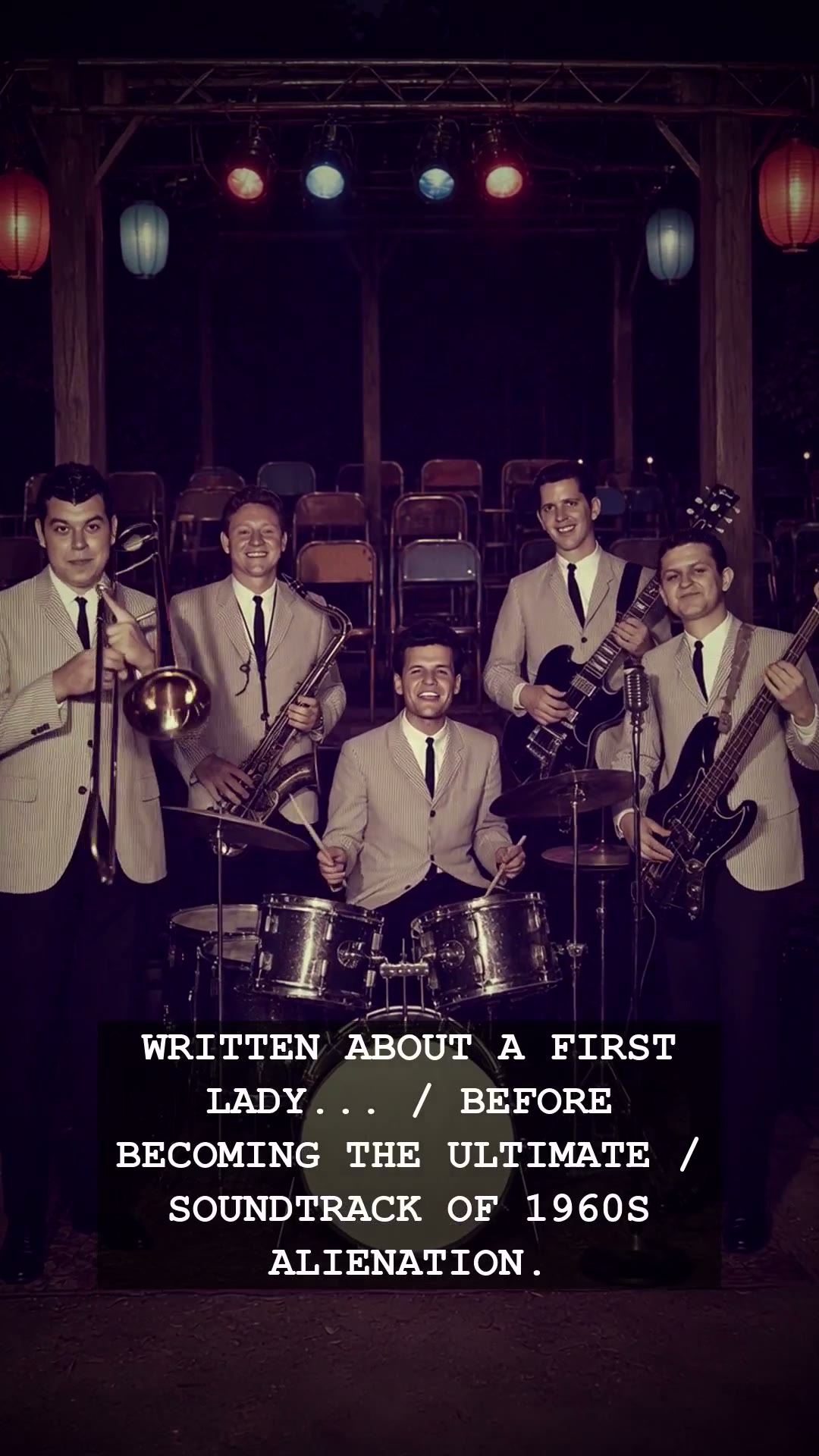
In the dim light of a smoky 1960s lounge, the needle drops on a record, and the jangly, iconic opening chords of Mrs. Robinson begin to weave their spell. For millions, this song is the undisputed anthem of a generation lost in transition, a masterpiece of folk-rock that defined the restless spirit of the late sixties. But what if the woman who inspired this lyrical legend wasn’t the seductive, misunderstood suburbanite we see in The Graduate? Before it became the quintessential soundtrack for a nation’s growing alienation, Simon and Garfunkel were singing about an entirely different, perhaps more unexpected, historical figure.
Paul Simon originally toyed with a different name for the song—Mrs. Roosevelt. Yes, the legendary Eleanor Roosevelt was the initial muse for the melody that would eventually capture the cynicism of the counterculture. As Simon and Garfunkel tinkered with the lyrics, the song began to shift, moving away from the political stature of a First Lady and toward the fractured reality of the suburban dream. It was a metamorphosis that mirrored the country itself: moving from the structured, stoic ideals of the post-war era toward the messy, disillusioned searching that defined the era of Woodstock and the Vietnam protests.
The genius of Simon and Garfunkel lay in their ability to capture the sound of solitude in a crowded room. Their tight, breathy vocal harmonies were the perfect vessel for the alienation felt by young Americans who found themselves adrift in a world of rapid social upheaval. While the song is now immortalized by Dustin Hoffman’s wide-eyed gaze in the classic film, the studio sessions were filled with a tense, creative friction. Art Garfunkel’s ethereal, crystalline voice provided the gravity, while Paul Simon’s sharp, poetic sensibilities provided the grit. They were the ultimate odd couple of music, constantly pushing each other toward perfection even as their personal connection frayed under the pressure of global fame.
Listening to the track today, you can still hear the ghosts of the era hidden within the acoustic strumming. The song perfectly encapsulates the feeling of being an outsider looking in—the quiet, simmering frustration of a society that was rapidly losing its innocence. It is more than just a melody; it is a time capsule that transports us back to a world of jukeboxes, vinyl records, and the pervasive, lingering feeling that something fundamental was shifting beneath our feet. The brilliance of the song is that it feels just as relevant in our modern, disconnected age as it did when it first climbed the charts.
Even decades later, the legacy of this duo remains etched into the bedrock of American music. Simon and Garfunkel didn’t just write a song; they wrote the narrative for an entire demographic searching for meaning in a changing world. So, the next time you hear that familiar rhythm, pause for a moment. You aren’t just listening to a pop hit; you are hearing the echo of an entire generation’s soul, written by two men who understood that even in the heart of alienation, there is a beautiful, melancholic story waiting to be told.