
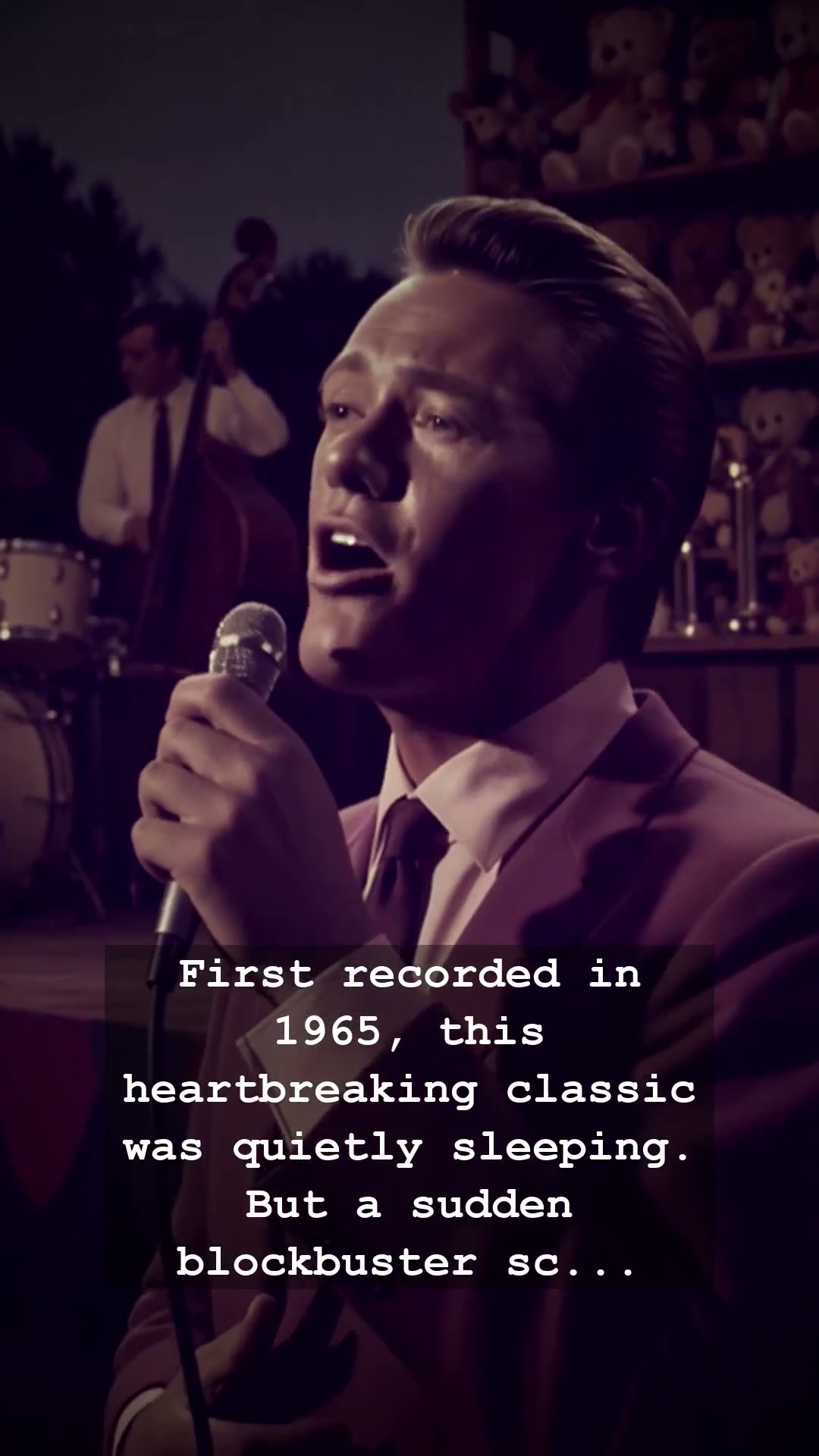
It started as a whisper in a dimly lit studio, a song that felt like a secret kept between two hearts. In 1965, when The Righteous Brothers released Unchained Melody, they had no idea they were crafting a ghost that would haunt the American airwaves for decades. Bill Medley and Bobby Hatfield were not just singers; they were architects of blue-eyed soul, capable of turning a simple melody into a devastating emotional landscape. For years, the track lived in the crates of jukeboxes and the quiet corners of record collections, a masterpiece resting in a long, peaceful slumber while the world moved toward the neon pulse of the eighties.
Then came 1990, a year that forever altered the legacy of this classic. While the music industry was distracted by the rising tide of hip-hop and the fading echoes of glam metal, a cinematic moment brought the past crashing into the present. The film Ghost did more than just tell a story of love beyond the grave; it weaponized the haunting falsetto of Bobby Hatfield. Suddenly, a song that had been sleeping for twenty-five years roared back to life, reaching a new generation of listeners who had never experienced the raw, analog warmth of the sixties. It was a cultural resurrection that proved great art never truly dies; it only waits for the right moment to break our hearts all over again.
The story of The Righteous Brothers is one defined by the tension between their contrasting voices and their pursuit of perfection. Medley’s gravelly, booming baritone paired with Hatfield’s ethereal, soaring tenor created a sonic friction that felt both dangerous and divine. They were the bridge between the doo-wop era and the soulful introspection that would dominate the late sixties. Despite their immense talent, their career was not without its shadows. The duo struggled with the brutal pressures of fame and the internal friction that often plagues legendary musical partnerships, yet they consistently returned to the studio to chase that elusive, perfect note.
Listening to the track today, one can almost feel the air in the room. It captures the specific longing of an era defined by vinyl records and flickering television sets. It reminds us of a time before the digital age, when music was experienced through the hum of a Walkman or the crackle of an AM radio station. The production value, masterminded by the legendary Phil Spector, gave the song its wall-of-sound depth, making the emotional stakes feel even more gargantuan. It remains a masterclass in how to translate human vulnerability into a universal anthem.
Even as the decades passed and musical trends shifted from disco to grunge, the legacy of The Righteous Brothers remained tethered to that singular, aching performance. They remind us that the most powerful music is often the kind that finds us when we least expect it. Whether you first heard it in a smoky bar or through the lens of a blockbuster movie, the song persists as a testament to the power of a melody to transcend time. As we look back at the history of American music, we find that the ghosts of the past are always listening, waiting for us to turn up the volume one more time.