
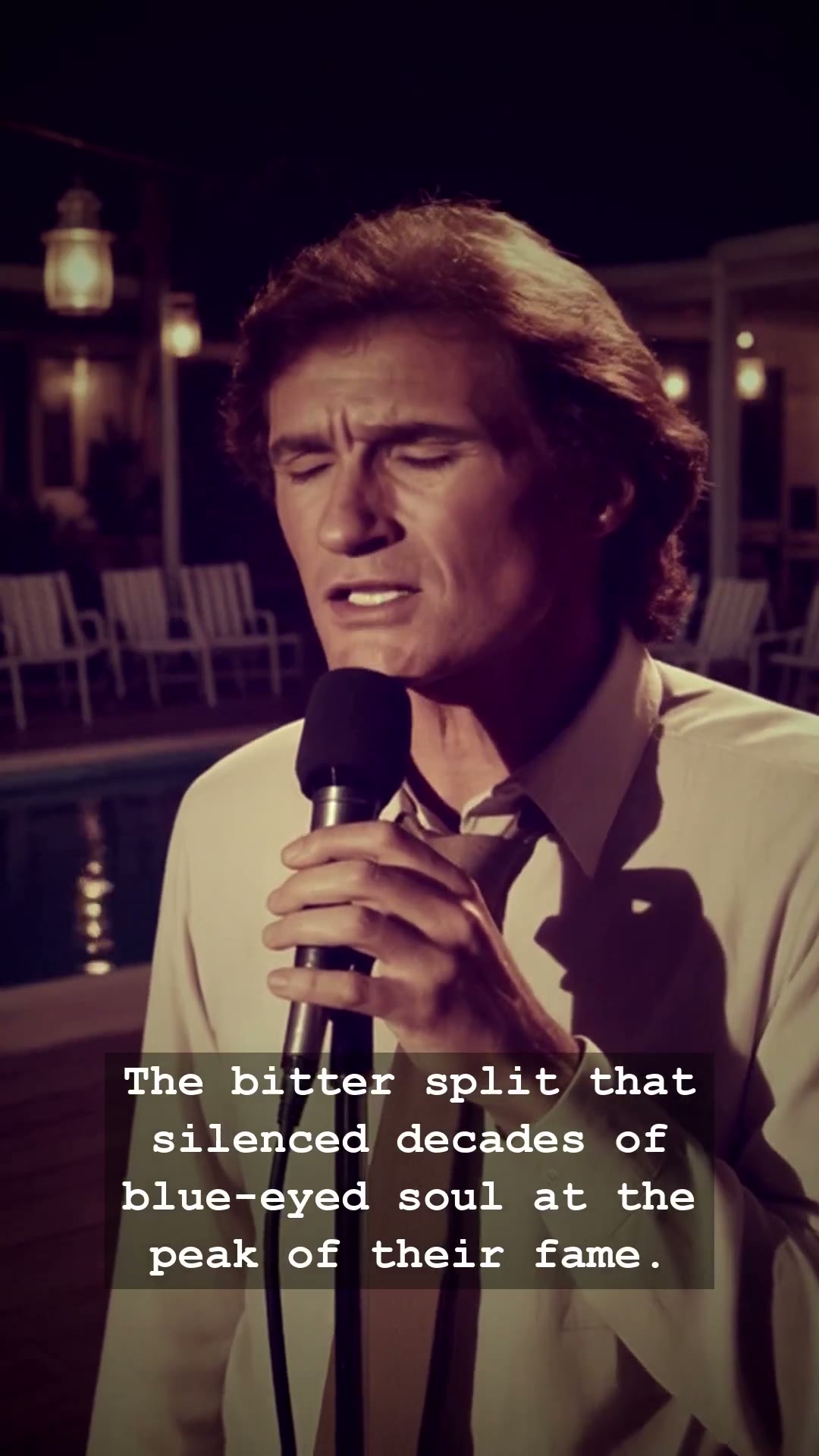
It was 1968, a year defined by cultural tremors, flickering cathode-ray televisions, and the sound of a world in transition. At the very summit of their global success, The Righteous Brothers—the architects of the blue-eyed soul movement—suddenly ceased to exist. For millions of fans who had spent their nights slow-dancing to the sweeping, orchestral echoes of Unchained Melody in candlelit dens, the news of their split felt like a betrayal. The chemistry between Bill Medley’s cavernous, soulful baritone and Bobby Hatfield’s soaring, fragile tenor had defined a generation, yet beneath the velvet harmonies, a quiet, corrosive tension was tearing the duo apart.
The Righteous Brothers were never just another pop act; they were the embodiment of a rugged, post-war American dream. Rising from the gritty, smoke-filled clubs of Southern California, they had mastered a style that bridged the gap between R&B fervor and the clean, polished production of the jukebox era. However, the shadow of fame is long, and the pressures of constant touring and intense studio scrutiny eventually chipped away at their foundation. While the world saw two brothers in soul, the reality was a fractured partnership buckling under the weight of creative differences and the heavy toll of sudden, blinding celebrity.
What truly happened during that fateful year remains one of music’s most haunting mysteries. It was not a singular explosive argument, but a slow erosion of spirits. The constant demand to recreate their magic for an insatiable public left little room for personal growth, eventually leading to a mutual agreement to go their separate ways. As the psychedelic revolution began to dominate the airwaves and the era of the classic crooner started to fade, The Righteous Brothers felt the suffocating grip of their own iconic status. They walked away from a goldmine, leaving behind a silence that spoke louder than any of their previous chart-topping ballads.
Even decades later, their influence remains stitched into the fabric of American pop culture. You can hear their DNA in every soul-inspired anthem that followed, and their ability to capture raw, unadulterated heartbreak remains unparalleled. Whenever those first piano chords of their most famous tracks echo through a film soundtrack or a vintage record shop, we are transported back to a time when music felt like a sacred confession. The duo eventually reunited, but the sting of that brief, mid-career exile remains a permanent scar in their legacy, a reminder that even the strongest voices can be momentarily muted by the relentless gears of the industry.
Today, as we look back at the era of the transistor radio and the golden age of vocal harmony, the story of The Righteous Brothers serves as a poignant cautionary tale. Success is a fragile vessel, and art, while eternal, is often forged through the hardest kinds of personal sacrifice. Their music still resonates because it was always authentic, reflecting a humanity that we all recognize within ourselves. Whether you discovered them on a crackling vinyl or through a modern digital playlist, their songs continue to prove that true soul never really fades away; it only waits for us to listen once again.