
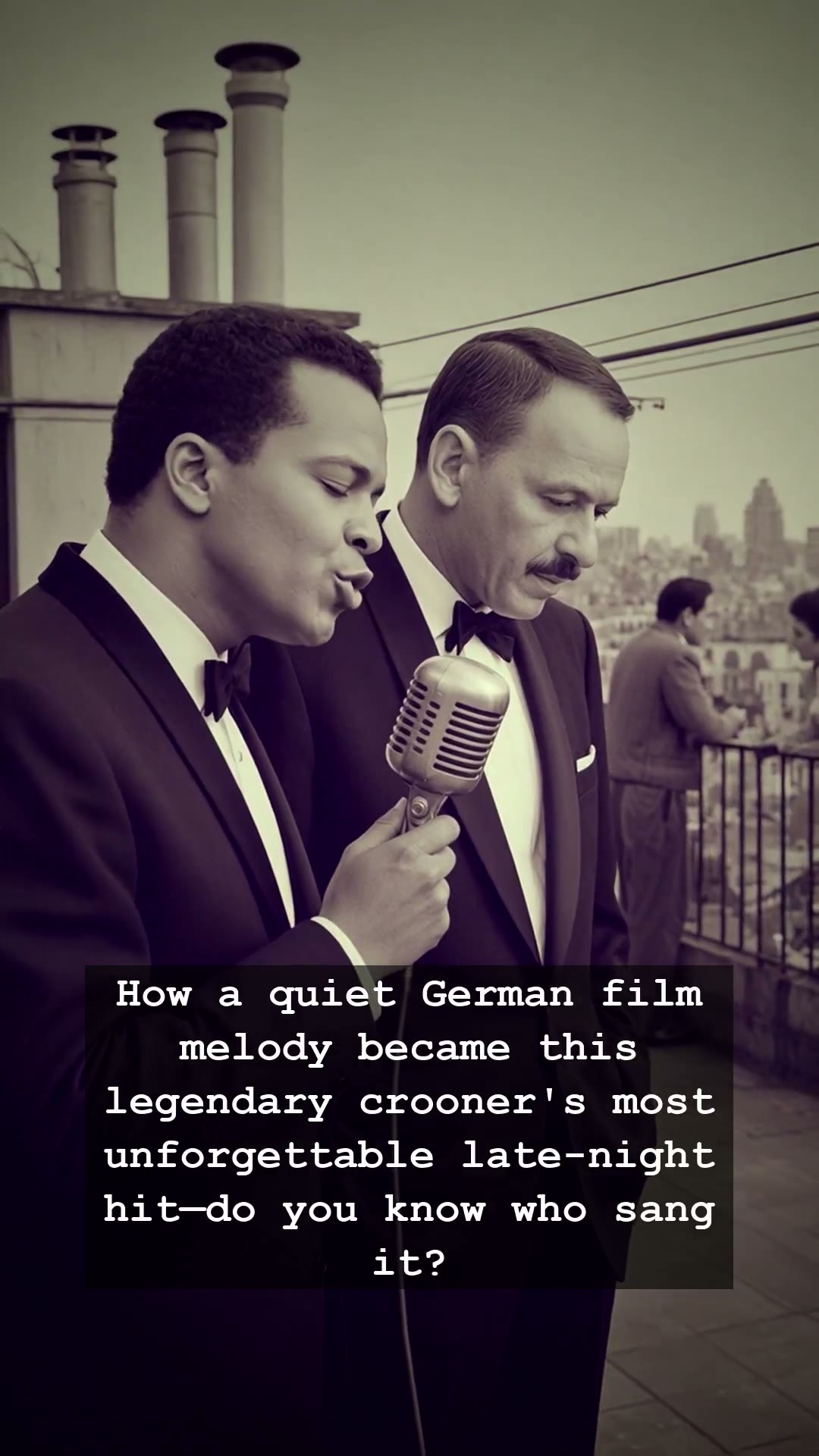
It was 1966, the era of the transistor radio and the flickering glow of television sets, when a song emerged that would define a late-night mood for generations. We think of Frank Sinatra as the quintessential American icon, the man who owned the stage at the Sands in Las Vegas, surrounded by the haze of cigarette smoke and the clinking of cocktail glasses. Yet, one of his most iconic chart-toppers, Strangers in the Night, carries a DNA that stretches far beyond the American shore. Before it became the anthem for every lonely traveler at 2:00 AM, the melody was born from the mind of German composer Bert Kaempfert, hidden away in a quiet film score that very few people noticed.
At the time, Frank Sinatra was at a crossroads. The British Invasion had taken over the airwaves, and the youth were turning toward the electric rebellion of rock and roll. Sinatra needed a comeback, a song that could bridge the gap between his timeless crooner charm and the shifting pop landscape of the mid-sixties. When he first heard the melody, he famously despised the lyrics, calling them a load of rubbish. He struggled with the rhythm and the flow, frustrated by the limitations of the original arrangement. It was a moment of tension in the studio, a glimpse into the perfectionism that defined his career, yet he stepped up to the microphone and poured his soul into the track anyway.
What happened next changed the history of pop music. With a single flick of his vocal magic, Frank Sinatra transformed a melancholic, instrumental German melody into a global phenomenon. Those iconic do-be-do-be-do scat lines at the end of the song were completely improvised, a spontaneous burst of jazz-influenced brilliance that Sinatra threw in during the final take. He turned a stiff, cinematic tune into a masterclass in vocal delivery, proving that even as the world around him grew louder and more frantic, he could still command silence with nothing but a velvet voice and a story to tell.
The song climbed to the top of the Billboard Hot 100, effectively pushing the Beatles out of the number one spot and securing a Grammy for Record of the Year. It was a victory for the old guard, a reminder that the charisma of an era built on jukeboxes and formal wear could still hold its own against the tide of change. Even today, hearing those first few notes evokes the nostalgia of a bygone age, a time when music felt like a conversation whispered across a crowded, dimly lit lounge.
Frank Sinatra left us with more than just a catalog of music; he left behind the blueprints for emotional storytelling. Strangers in the Night remains a testament to his ability to take a modest melody and breathe life into it until it feels like a universal truth. As we look back through the lens of history, we see that the most unforgettable connections are often the ones we never expected. Next time you hear the song drifting through the air, remember the German strings and the restless singer who turned a simple film tune into a heartbeat for the world.