
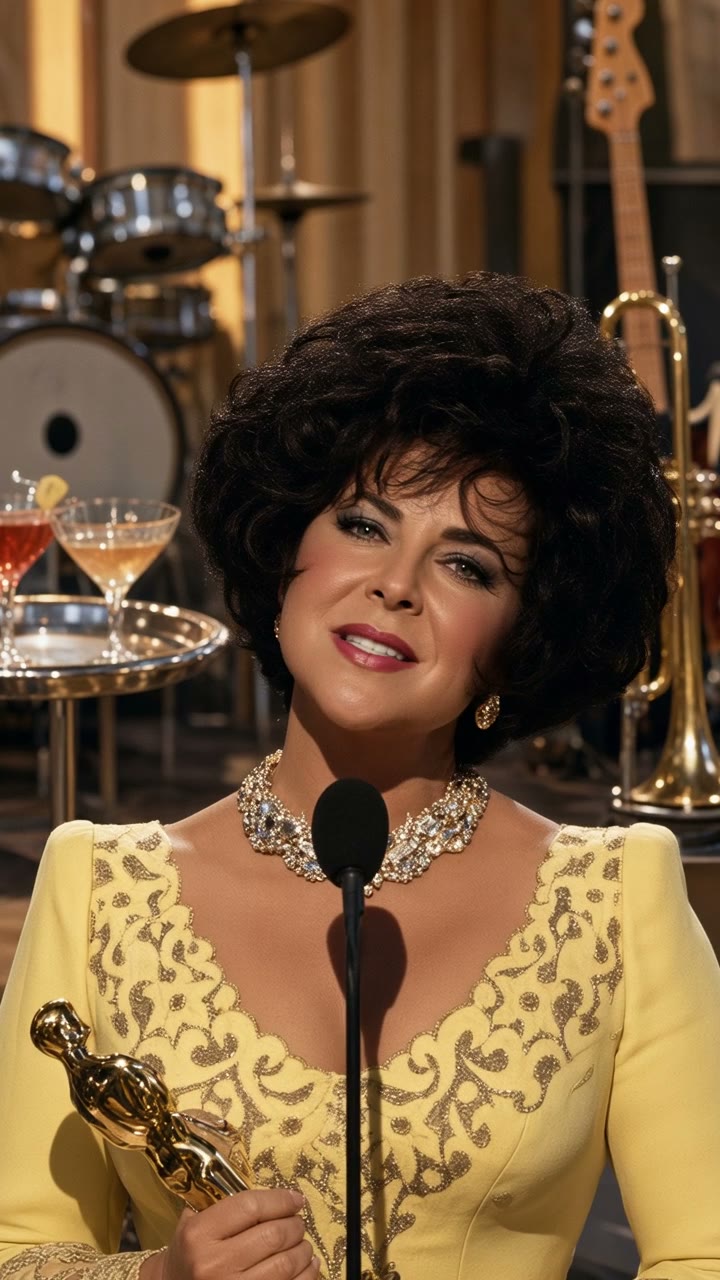
In the golden glow of mid-century Hollywood, Elizabeth Taylor was more than just a screen icon; she was the very definition of a superstar. With her violet eyes and a magnetic presence that dominated the silver screen throughout the Golden Age and into the era of the blockbuster, she lived life under the intense glare of the spotlight. Yet, it was away from the Oscars and the flashing bulbs of the red carpet that Elizabeth Taylor carved her most enduring legacy. While many of her peers remained silent during the early 1980s, Taylor chose to step into the fray during a silent crisis that terrified a nation, proving that her heart was as large as her fame.
By 1985, the world of cinema was changing, and the glitz of the past was being met with the harsh realities of a new, misunderstood epidemic. When a dear friend faced a devastating diagnosis, the industry largely turned its back, paralyzed by fear and stigma. Elizabeth Taylor, however, did not flinch. She risked her reputation, her career, and the adoration of a public that was not yet ready to confront the truth. She became the first major celebrity to publicly align herself with the fight against HIV/AIDS, holding gala fundraisers and lobbying in Washington when it was deeply unpopular to do so.
Looking back at that era, it is easy to forget just how quiet Hollywood was during those desperate years. Method acting icons and legendary directors often kept to themselves, but Elizabeth Taylor used her status as a global symbol to demand empathy. She walked the halls of Congress and stood on stages with the same poise she once held in front of cameras on the set of Cleopatra. She was not acting then; this was the raw, unscripted humanity of a woman who knew that true grace is found in standing up for those who have been forgotten by the rest of the world.
Her commitment to this cause reshaped her later years, moving her from the pages of fan magazines to the forefront of humanitarianism. She shifted the narrative of the AIDS crisis, turning a silent epidemic into a public conversation about dignity and human rights. It is a profound testament to her character that she prioritized saving lives over maintaining her image as a pristine Hollywood starlet. Her courage during this time stands as a remarkable chapter in the history of the industry, echoing just as loudly as her most famous cinematic performances.
Today, we look back on Elizabeth Taylor not just for her talent, but for the moral clarity she displayed when it mattered most. Whether we recall her on a VHS tape playing on a living room VCR or through the timeless archives of the Academy Awards, her story remains a bridge to a generation that values grit and genuine empathy. She proved that the true measure of a legend is not what they take from the spotlight, but what they choose to give back to the world. Elizabeth Taylor reminds us that even in our darkest moments, one voice, raised with conviction, can change the course of history forever.