
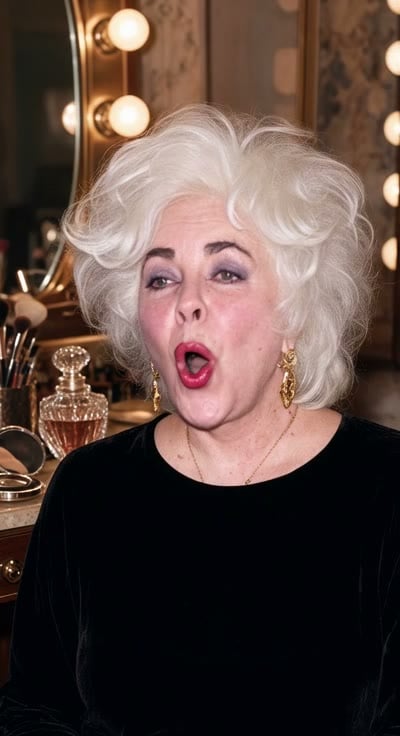
In the annals of Golden Age Hollywood, few names command the same ethereal presence as Elizabeth Taylor. With her violet eyes and an intensity that defined the art of Method Acting long before the term became a staple in film school curriculum, she was more than a star; she was an institution. Yet, behind the glamorous headlines of 1963, when she made history as the first actress to command a million-dollar salary, lay a story of grit and human frailty that the silver screen rarely captured. The production of Cleopatra remains one of the most storied chapters in cinema history, a time when the sheer scale of the set was matched only by the personal sacrifice of its leading lady.
While the world focused on the astronomical budget and the whirlwind romance with Richard Burton that dominated the tabloid columns, Elizabeth Taylor was facing a private battle that nearly claimed her life. Amidst the sweltering heat of the filming locations and the relentless pressure of a production that felt like a runaway train, she contracted a severe case of pneumonia. The situation turned dire, requiring an emergency tracheotomy that left a scar she would later view as a mark of survival. It is a sobering reminder that even the most celebrated icons of our favorite VHS era were flesh and blood, enduring trials that were largely kept hidden behind the velvet curtains of the studio system.
Her resilience during those months speaks to a dedication to the craft that feels rare in today’s fleeting digital landscape. To look back at her performance as the Queen of the Nile is to witness a woman who refused to let illness define her trajectory. Elizabeth Taylor transformed her physical vulnerability into a commanding screen presence, proving that true artistry is not just about the lines memorized or the costumes worn, but the tenacity to see a vision through to the end. That era of filmmaking, characterized by grand sets and analog magic, demanded a level of endurance that defined the legends of that generation.
For those of us who grew up haunting the local video rental shops, searching for the latest releases on grainy tape, Elizabeth Taylor stands as a bridge to a time when movie stars felt like untouchable gods. Yet, by understanding the weight she carried, she becomes much more relatable—a human figure navigating the turbulence of fame while grappling with the same fragility we all share. The legacy of her work, from the early days of her career to the mature, complex roles of her later years, continues to resonate because it carries the weight of a life fully, and often painfully, lived.
As we revisit these classics, we do not just watch a film; we pay tribute to the spirit of an era where cinema was crafted with profound dedication. Elizabeth Taylor remains a symbol of an age when Hollywood meant something truly monumental. Her story invites us to look past the glitz of the Oscar nights and the Walk of Fame to see the heart beating beneath the costume. She reminds us that even when the cameras stop rolling and the stage lights dim, the strength we possess is the most compelling performance of all.