
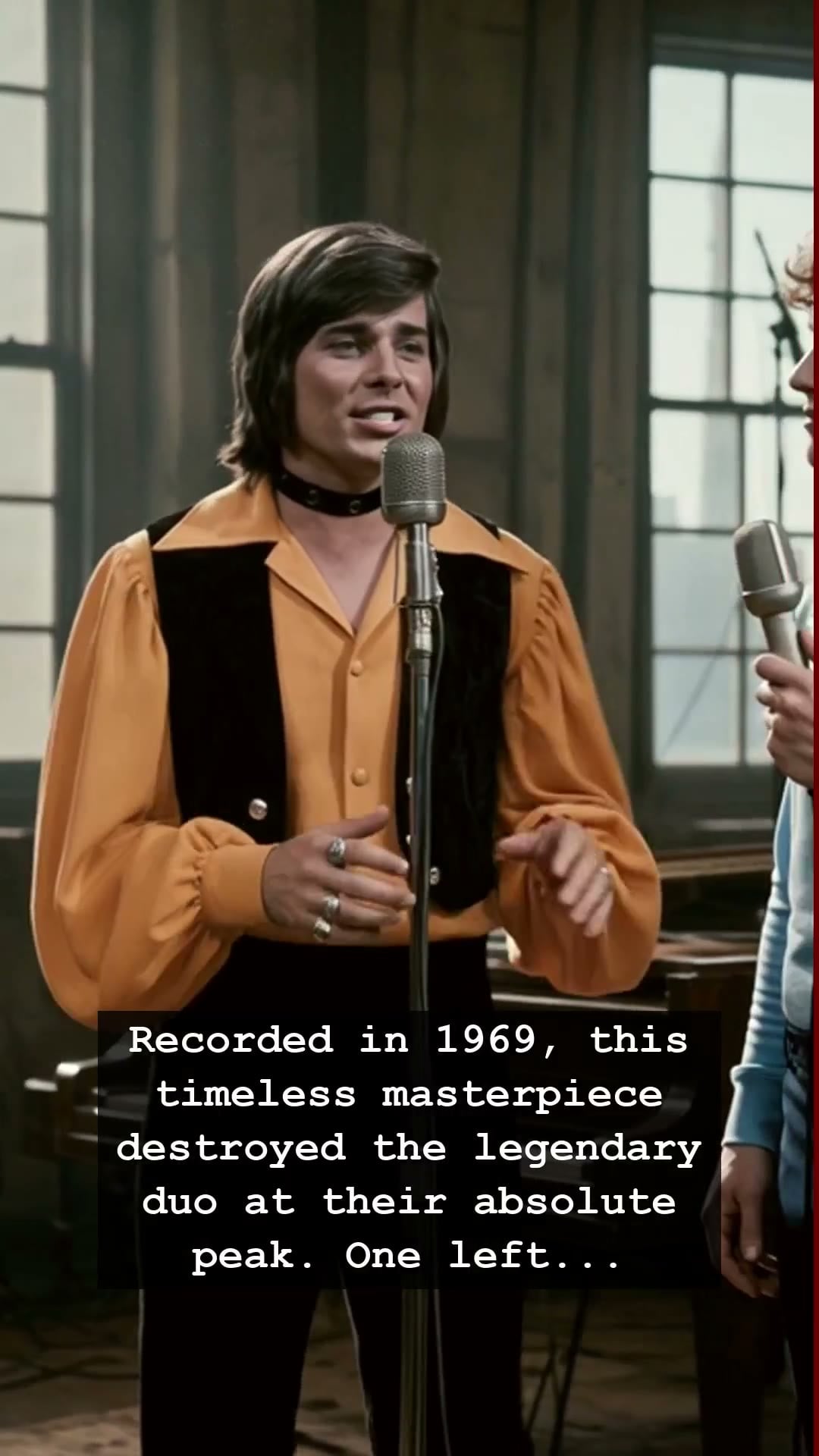
It was 1969, and the air was thick with the scent of change. As the sun set on the idealistic dreams of the Woodstock era, Simon and Garfunkel were perched on the summit of the music world. They were folk-rock gods, their harmonies weaving a sonic tapestry that defined a generation. Yet, inside the hallowed walls of the Columbia recording studios, the foundation of their brotherhood was crumbling. The masterpiece they were crafting, Bridge Over Troubled Water, would eventually earn them critical adoration and commercial gold, but the cost was the death of their legendary partnership. While the world saw two friends in perfect sync, the studio walls held the echoes of two men who could no longer speak the same language.
Paul Simon, the meticulous architect of their sound, and Art Garfunkel, the golden-voiced angel, had reached an impasse that neither could navigate. As they labored over the lush, symphonic production of the title track, the tension became suffocating. Simon sought control and perfection, while Garfunkel, whose soaring vocal on the song remains one of the most haunting achievements in music history, felt the weight of being a mere instrument in Simon’s grand vision. Their creative friction was no longer a spark that ignited genius; it was a fire that turned their shared history into ash. It is a cruel irony that their greatest artistic statement was the final nail in the coffin of their union.
As the sessions dragged on, the cracks grew into canyons. Art Garfunkel, drawn by the allure of the silver screen, eventually fled to Mexico to film Catch-22, leaving Paul Simon to finish their magnum opus alone. The image is as stark as a black-and-white photograph: Simon sitting in the dim light of the control room, surrounded by the ghosts of their early days, finishing the record without his lifelong partner. The irony of the title track, a song about comfort and companionship, was lost on no one. They were singing about bridging troubles while their own bridge was being systematically dismantled by ego, ambition, and the relentless pressure of fame.
When Bridge Over Troubled Water was released, it didn’t just top the charts; it became the soundtrack for a world in transition. Listeners didn’t know that the voices they cherished were estranged, or that the partnership that felt eternal had already effectively dissolved. That era, marked by the crackle of a vinyl record and the intimacy of a jukebox, was defined by these emotional contradictions. It was the peak of their career and the end of their innocence, a moment frozen in time that captures the fragility of art born from conflict.
Decades later, the music of Simon and Garfunkel continues to resonate because it feels painfully human. It serves as a reminder that even at the height of our successes, we are often grappling with our deepest losses. Their story remains a cautionary tale of how brilliance and bitterness can coexist in the same breath. As you listen to the soaring melodies today, remember that every note holds the weight of a friendship that burned too bright to last. It is the bittersweet beauty of their legacy, a sound that lingers long after the needle lifts from the groove.