
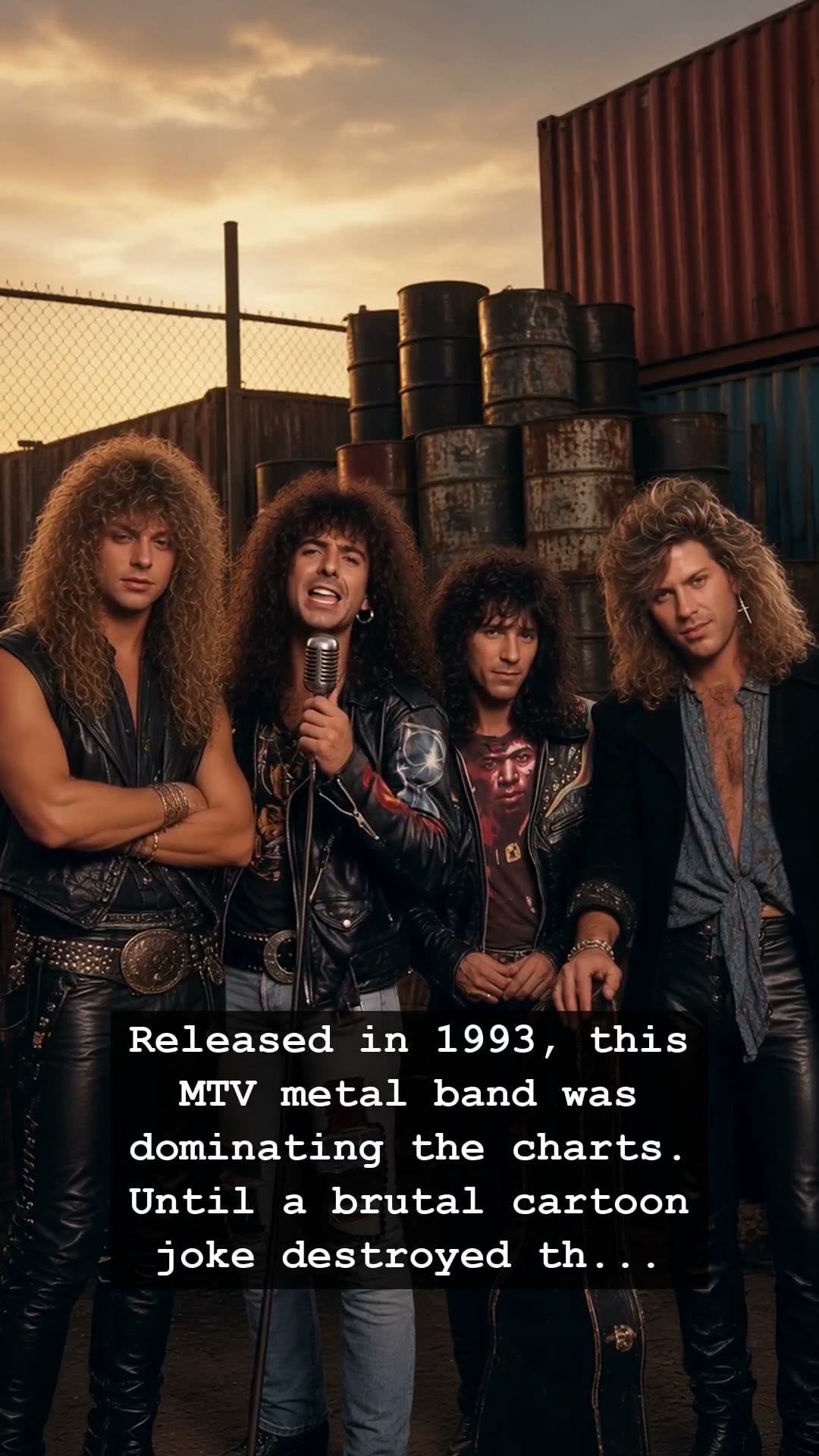
In the early 1990s, the landscape of rock music was shifting beneath our feet. For a band like Winger, the future looked bright; they were darlings of the MTV generation, balancing technical proficiency with the melodic metal hooks that defined an era. With hits like Madalaine and Seventeen, Kip Winger and his bandmates were living the dream of every hair-metal musician on the Sunset Strip. They had the videos, the hairspray, and the heavy rotation slots that made them household names. But in the fickle world of fame, the line between a rising star and a national punchline is often thinner than a guitar string.
The beginning of the end arrived not from a bad review or a failed tour, but from a crude, animated television show. In an episode of Beavis and Butt-Head, the show’s titular delinquents mercilessly mocked the lead singer, Kip Winger. The punchline was sharp, cutting, and incredibly cruel. The characters portrayed the band as the epitome of uncool, pathetic corporate rock. To the millions of teenagers tuned into MTV, the joke landed perfectly. Overnight, Winger went from being polished rock stars to being the ultimate target of ridicule. It was an unprecedented cultural assassination carried out by a cartoon, and for a band that relied on a cool, slick image, the blow was fatal.
Looking back, it is hard not to feel a pang of sympathy for the members of Winger. They were caught in the crossfire of a changing decade, where the earnest excess of the eighties was being replaced by the irony and grit of the nineties. Grunge was rising, and the culture was moving toward a more cynical, dismissive stance on the polished melodic metal that the band embodied. Being on MTV—the very network that helped build them—now became the instrument of their downfall. The stigma of that cartoon mockery stuck to them like glue, stalling their momentum and making it impossible for them to regain the credibility they once held.
Beyond the humor of the situation lies a darker story about the fragility of stardom. In the pre-internet age, public perception was molded by gatekeepers and media icons, and once you became the butt of a joke, there was nowhere to hide. Winger had poured their hearts into their craft, working through the grueling grind of the music industry, only to have their identity erased by a fictional doodle. It serves as a haunting reminder of how easily fame can be dismantled by the collective laughter of a generation.
Today, history has been kinder to the band. Musicians and critics have long acknowledged the immense technical talent of Kip Winger and his crew. They were never just the joke they were cast as; they were accomplished songwriters and instrumentalists. Yet, the story of their decline remains a fascinating piece of music history. It captures that strange, transitional moment in the nineties when the old world of arenas and high-budget videos collided with the biting, irreverent sarcasm of the new guard. Whenever you hear their music today, do you still hear the hitmaker, or do you remember the ghost of the joke that changed everything?