
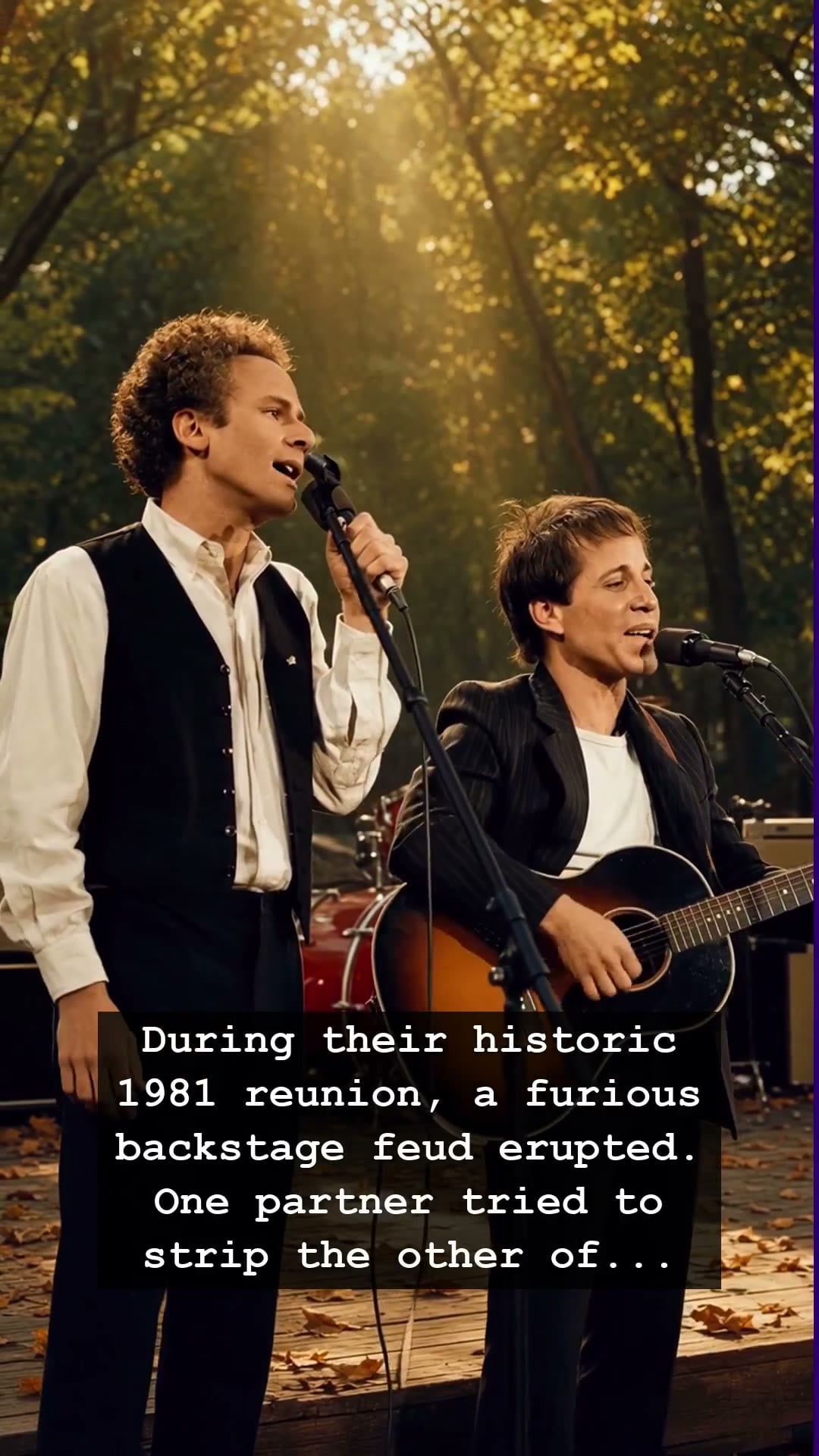
It was September 19, 1981, and a crisp autumn breeze swept across Central Park, setting the stage for a musical miracle. Half a million people gathered under the stars, yearning to hear the ethereal harmonies of Simon and Garfunkel. For a generation defined by the folk-rock revival, this reunion was supposed to be a triumphant return to the innocence of the sixties. Yet, behind the velvet curtains and the flickering stage lights, a storm of resentment was brewing that threatened to silence the music forever before it even began.
The tension between Paul Simon and Art Garfunkel had simmered for over a decade, ever since their explosive breakup in 1970. While the world saw the quintessential duo, the reality was a fractured partnership built on clashing egos and creative possessiveness. As they prepared for this historic concert, the air was thick with unresolved trauma. Reports from the backstage area describe a scene of cold, calculated hostility. During the final rehearsals, the collaborative magic vanished, replaced by a bitter tug-of-war over stage presence and song choices. The rivalry reached a breaking point when Paul Simon allegedly attempted to strip Art Garfunkel of his iconic solo moments, fearing that the spotlight might tilt too heavily toward his partner’s legendary vocal prowess.
This wasn’t just a clash of musical styles; it was a psychological battlefield. For Simon and Garfunkel, every note sung in that park was underscored by years of unspoken grievances. The friction was so intense that several members of the production crew feared the concert would be aborted in a public display of anger. To the fans, the performance was a nostalgic trip to a simpler time, but to the men on stage, it was a high-stakes performance of endurance. They stood inches apart, delivering The Sound of Silence and Bridge Over Troubled Water with a haunting intensity that audiences interpreted as raw emotion, never realizing it was, in part, the cold fire of their ongoing private war.
Looking back, the 1981 reunion serves as a bittersweet reminder of how fame can distort the most intimate of creative bonds. It was a time when the world was changing, transitioning from the analog warmth of the vinyl era toward the glossy, high-production demands of the budding MTV generation. Simon and Garfunkel were icons caught in the crossfire of their own legacy, struggling to reconcile their past brilliance with their present animosity. Their story resonates because it is a human one—a tale of genius, pride, and the inevitable scars left by the pursuit of perfection.
Even decades later, the magic of that night remains untarnished by the drama that unfolded in the shadows. We choose to remember the harmony, but the truth of the Simon and Garfunkel reunion lies in the friction. It is a testament to the fact that sometimes, the most beautiful art is born from the most uncomfortable truths. As the last echoes of their voices faded into the New York night, they left behind a memory that continues to haunt and inspire us all.